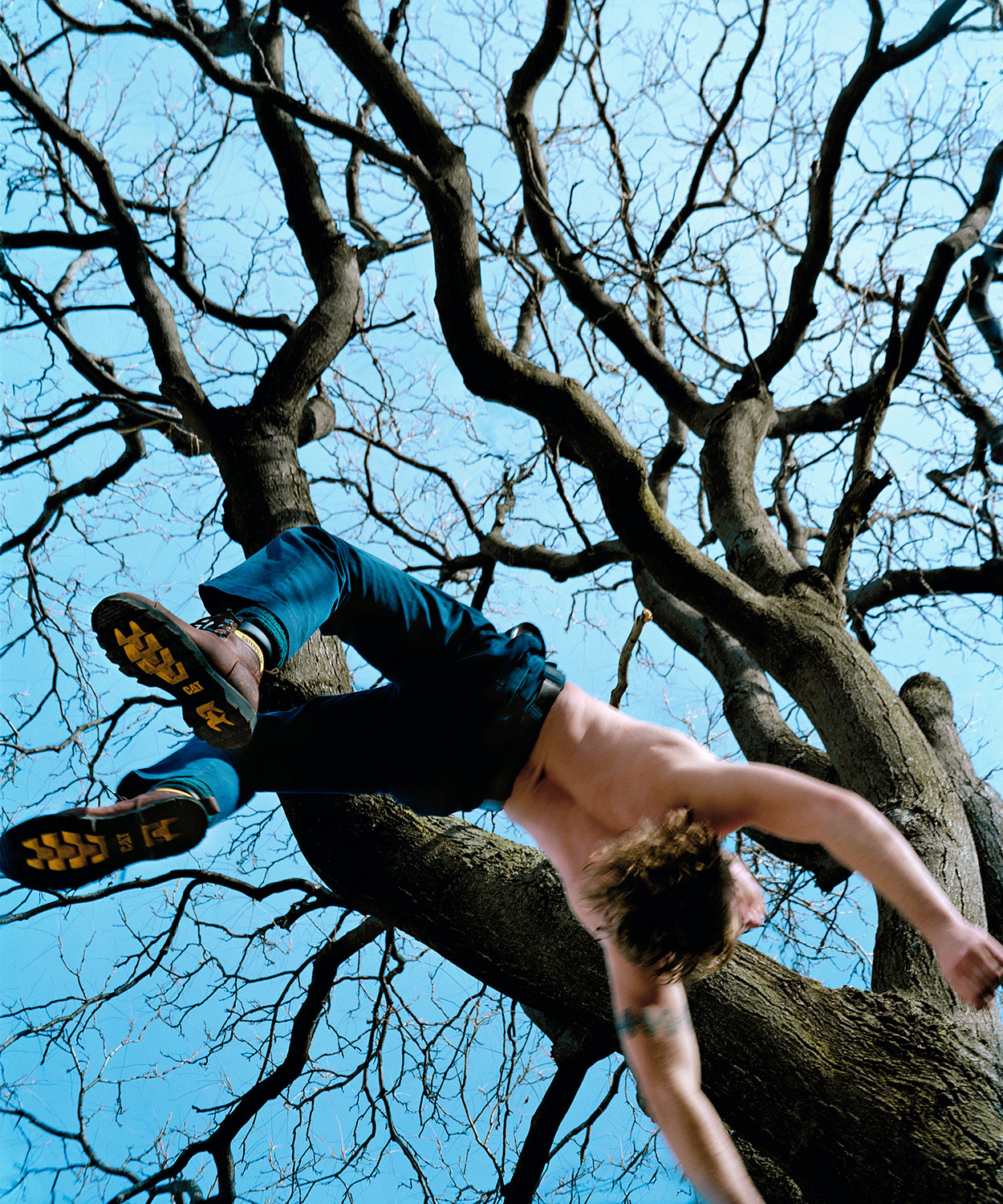
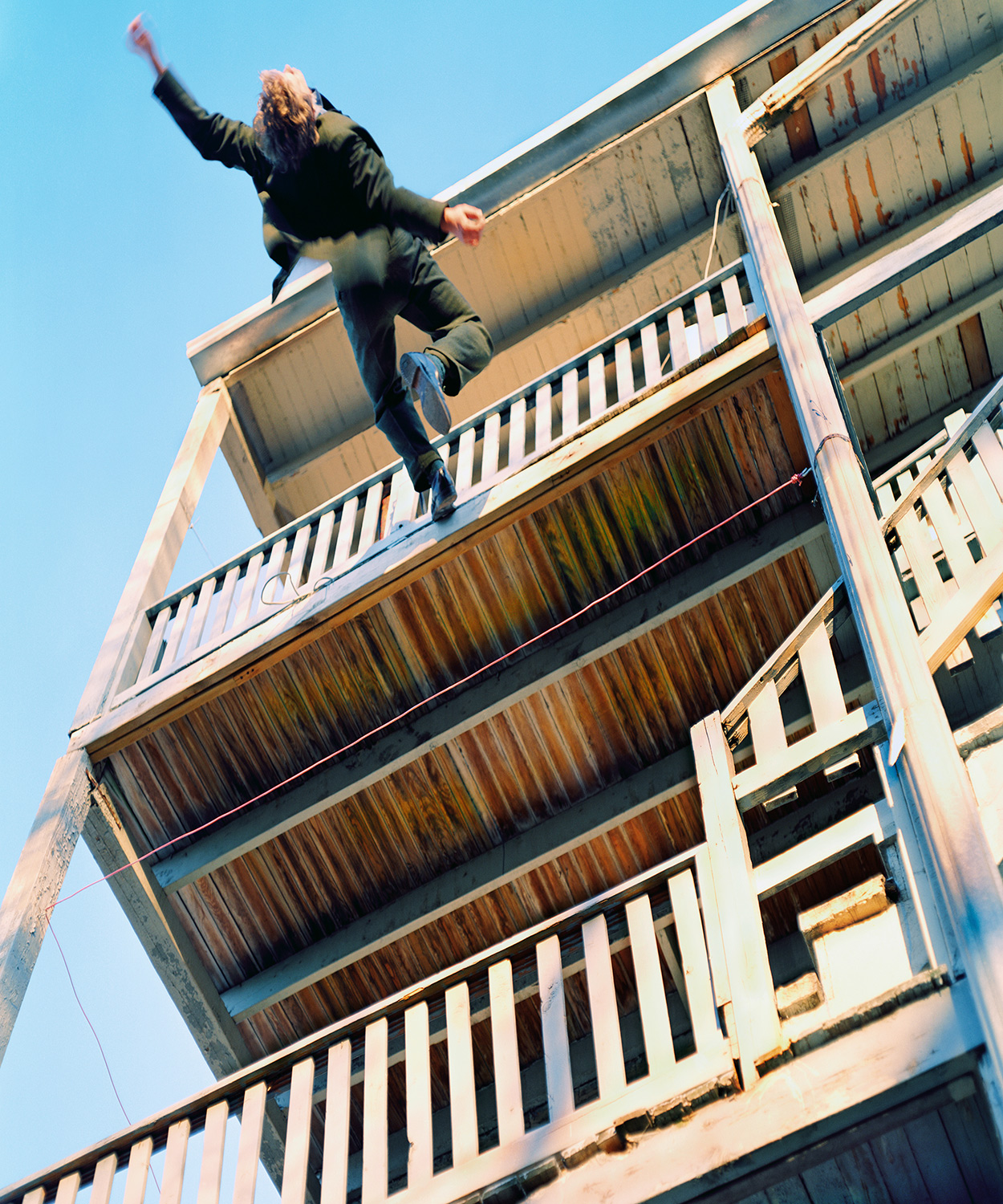
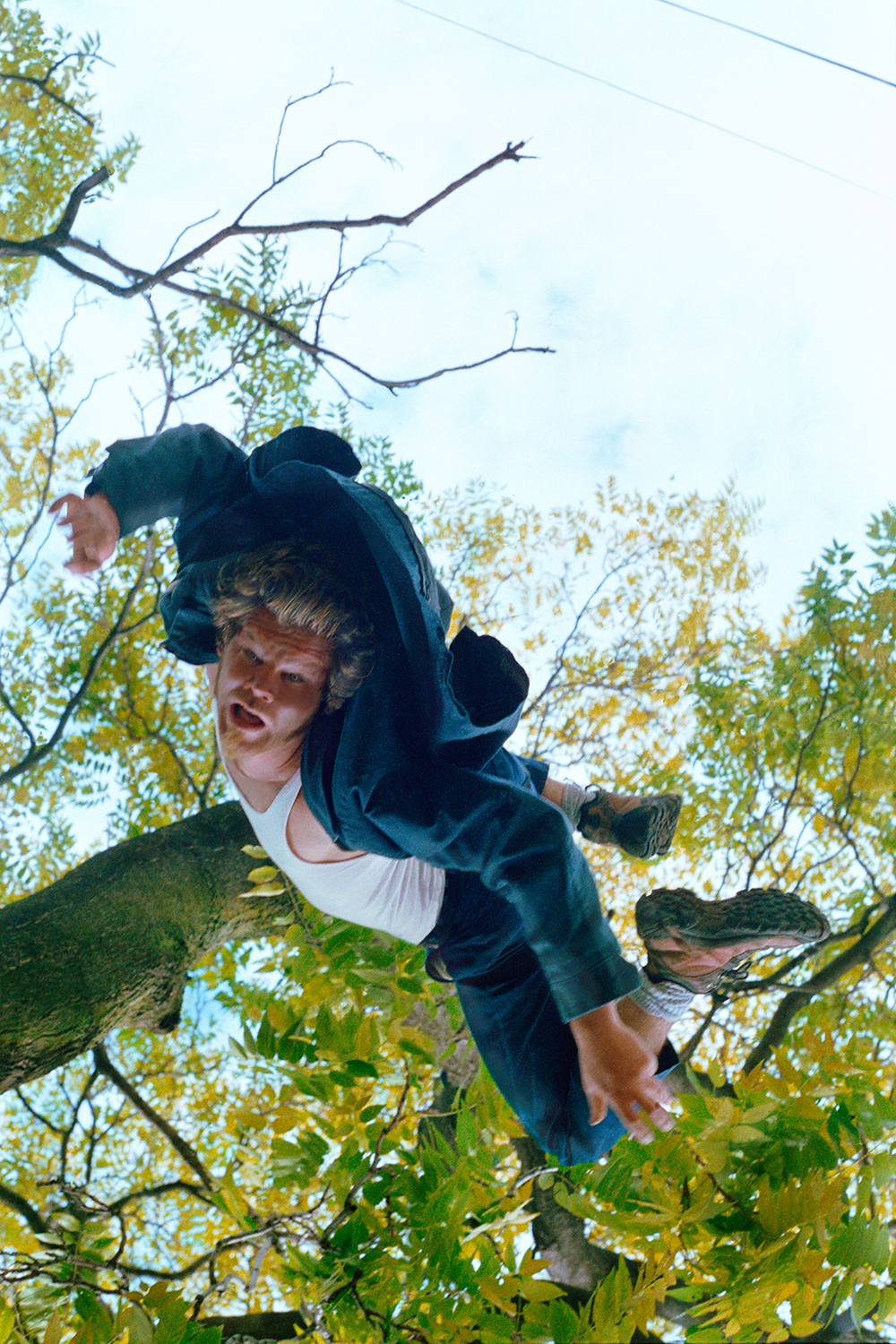
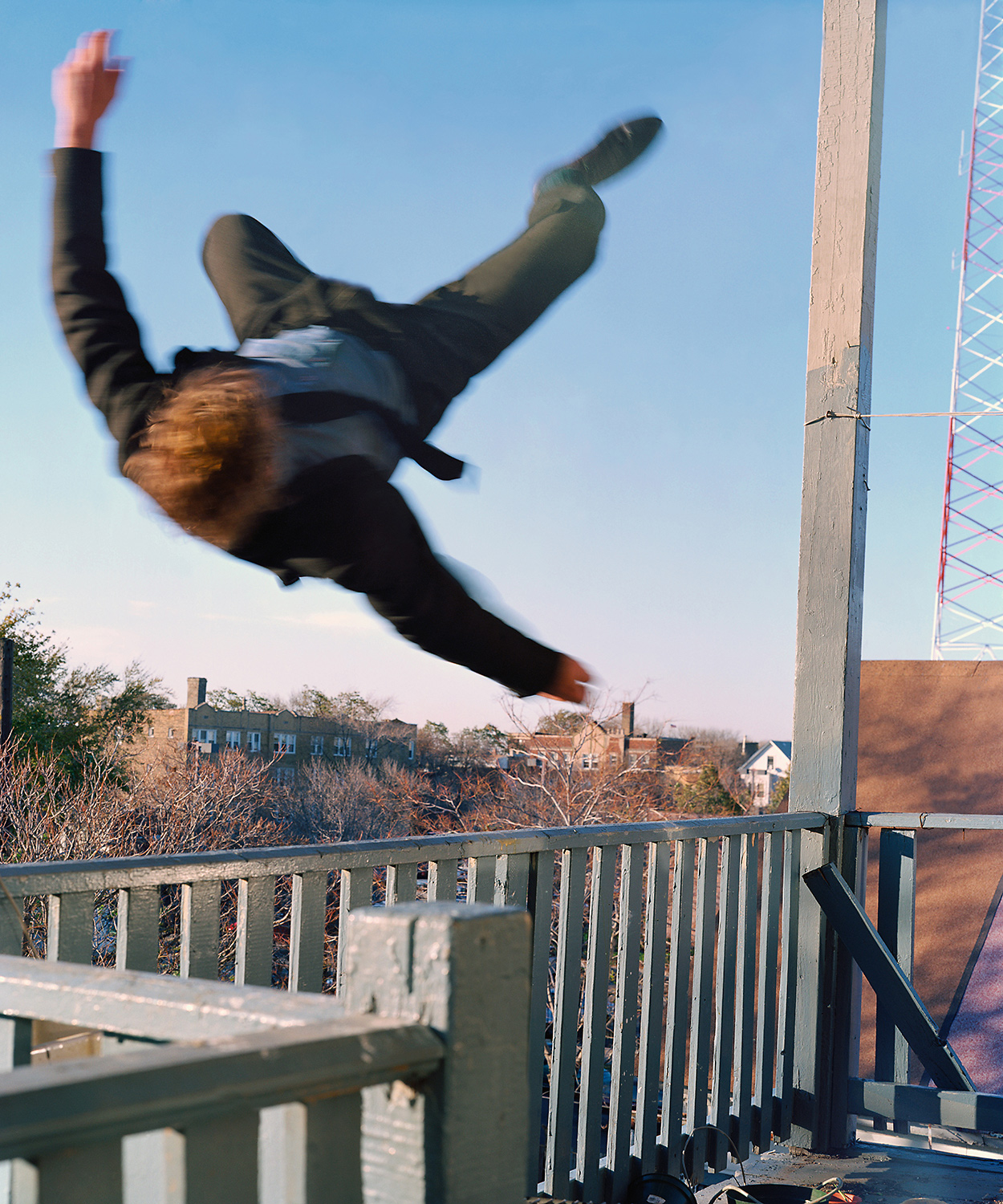
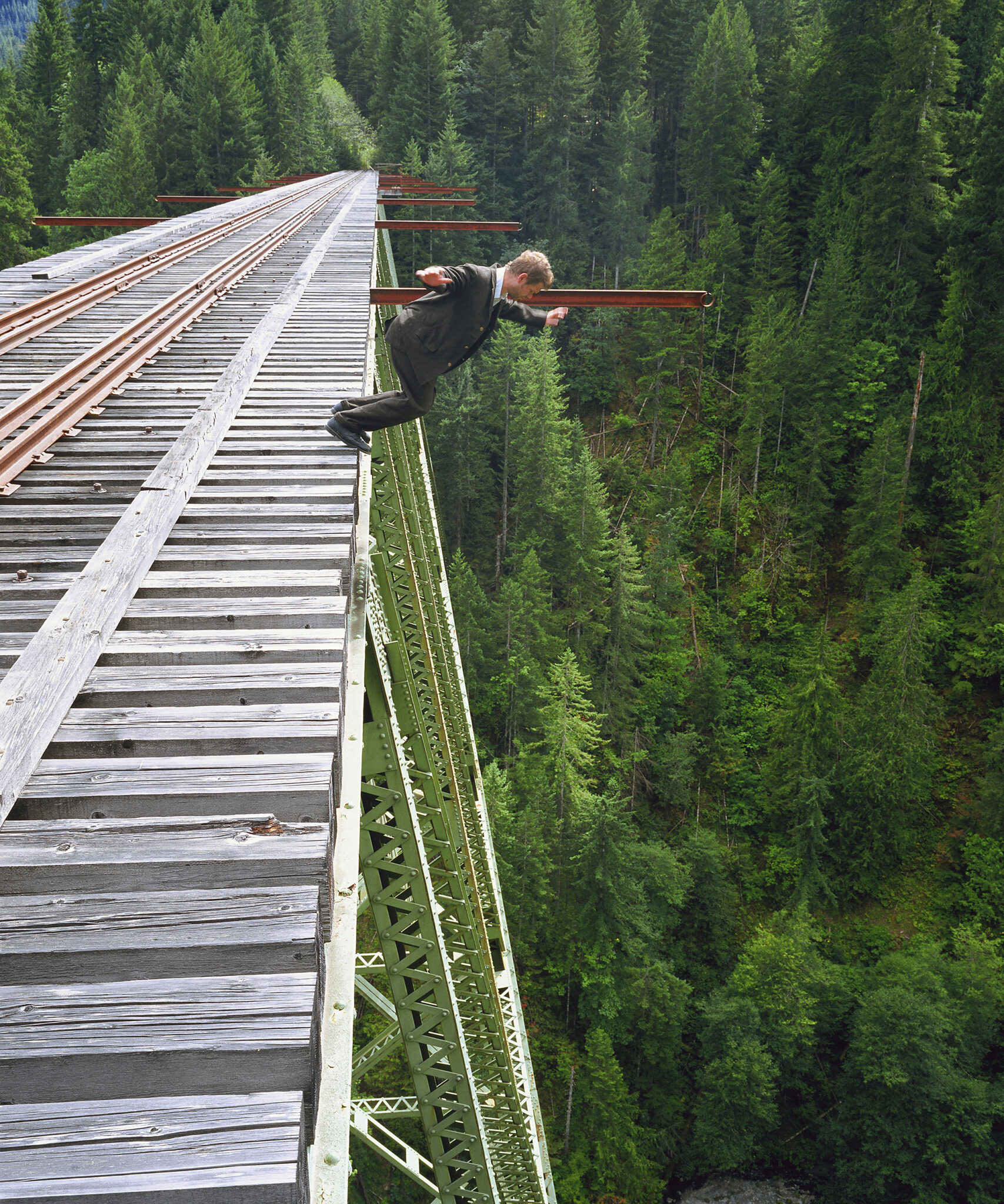
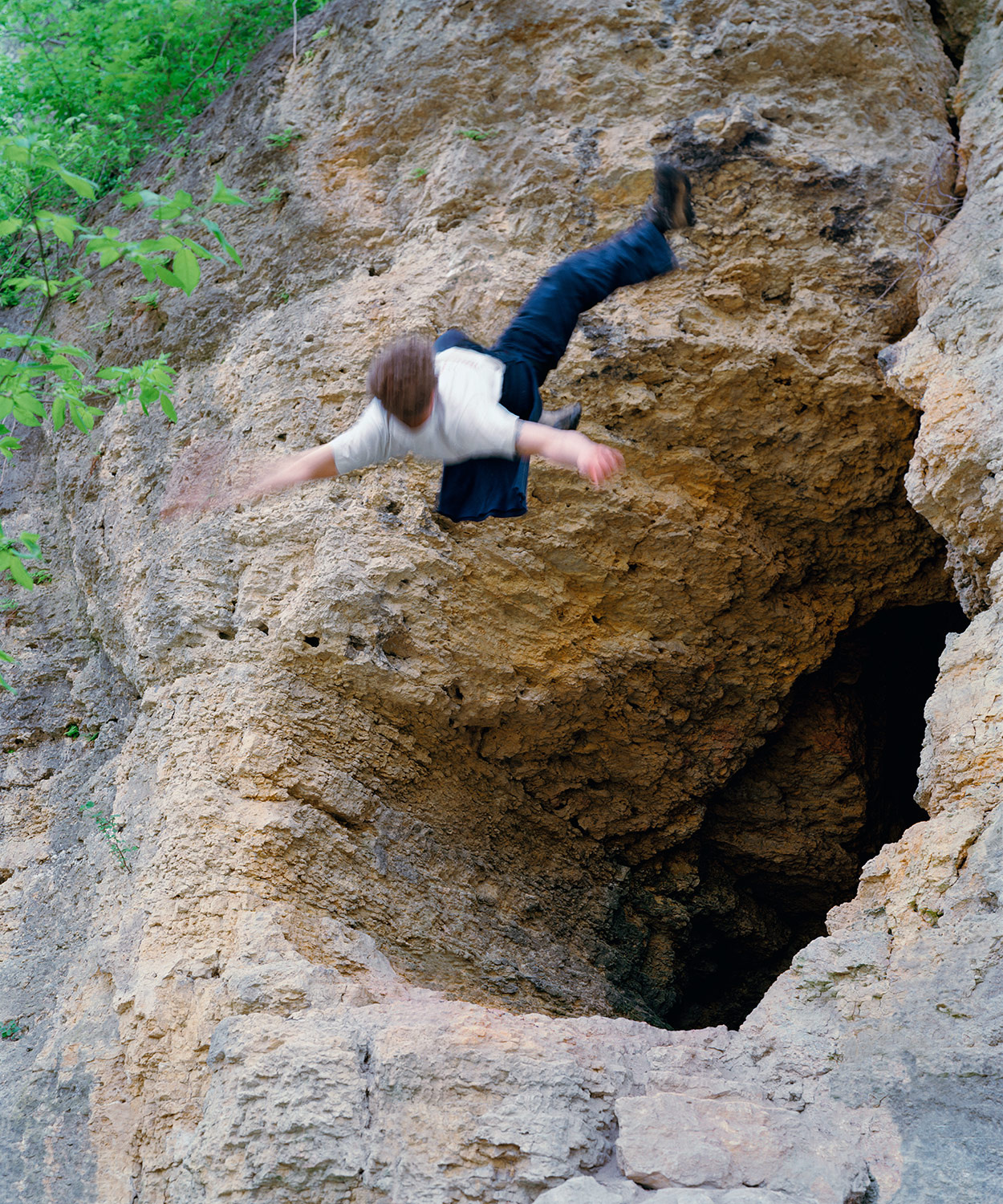
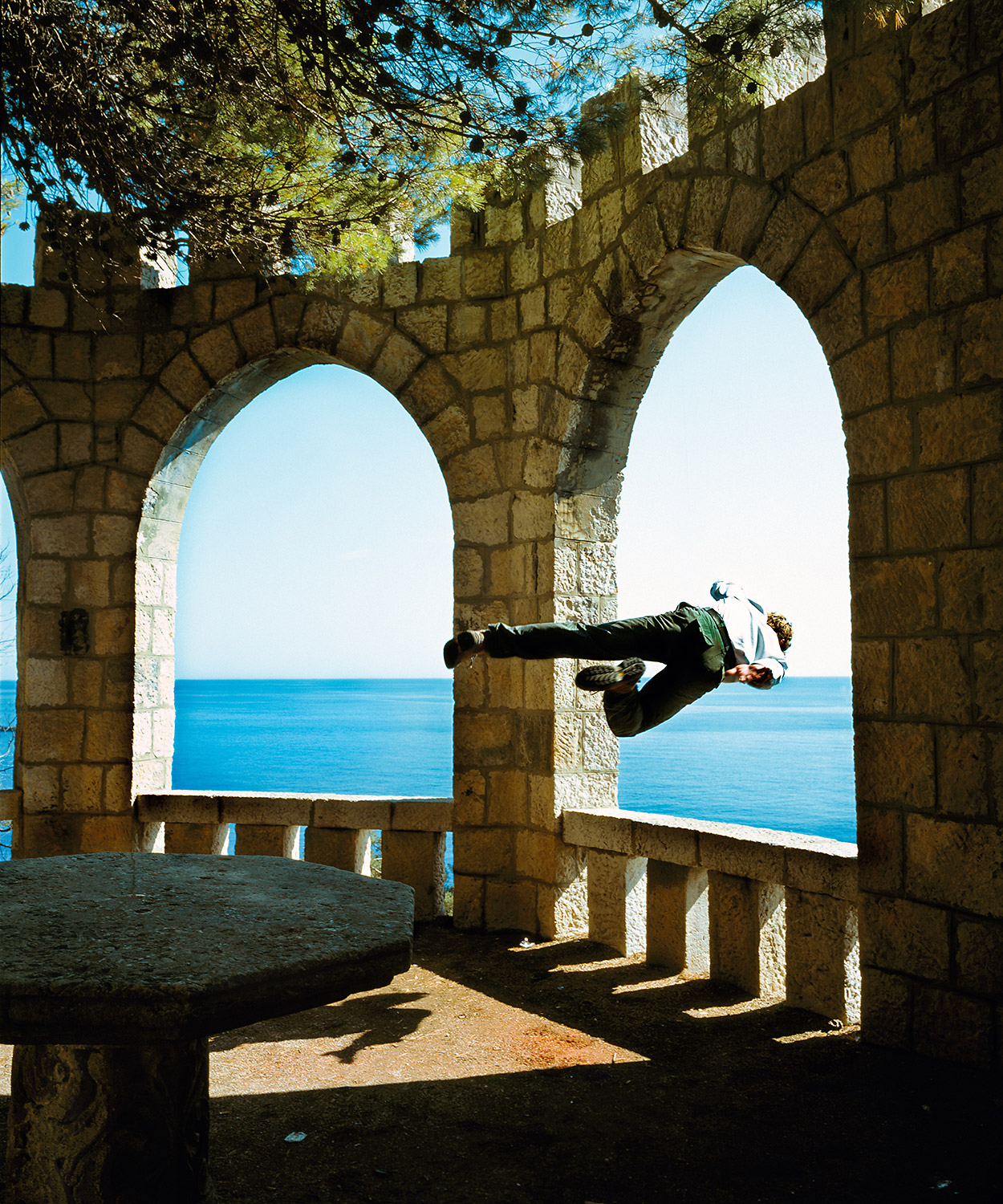
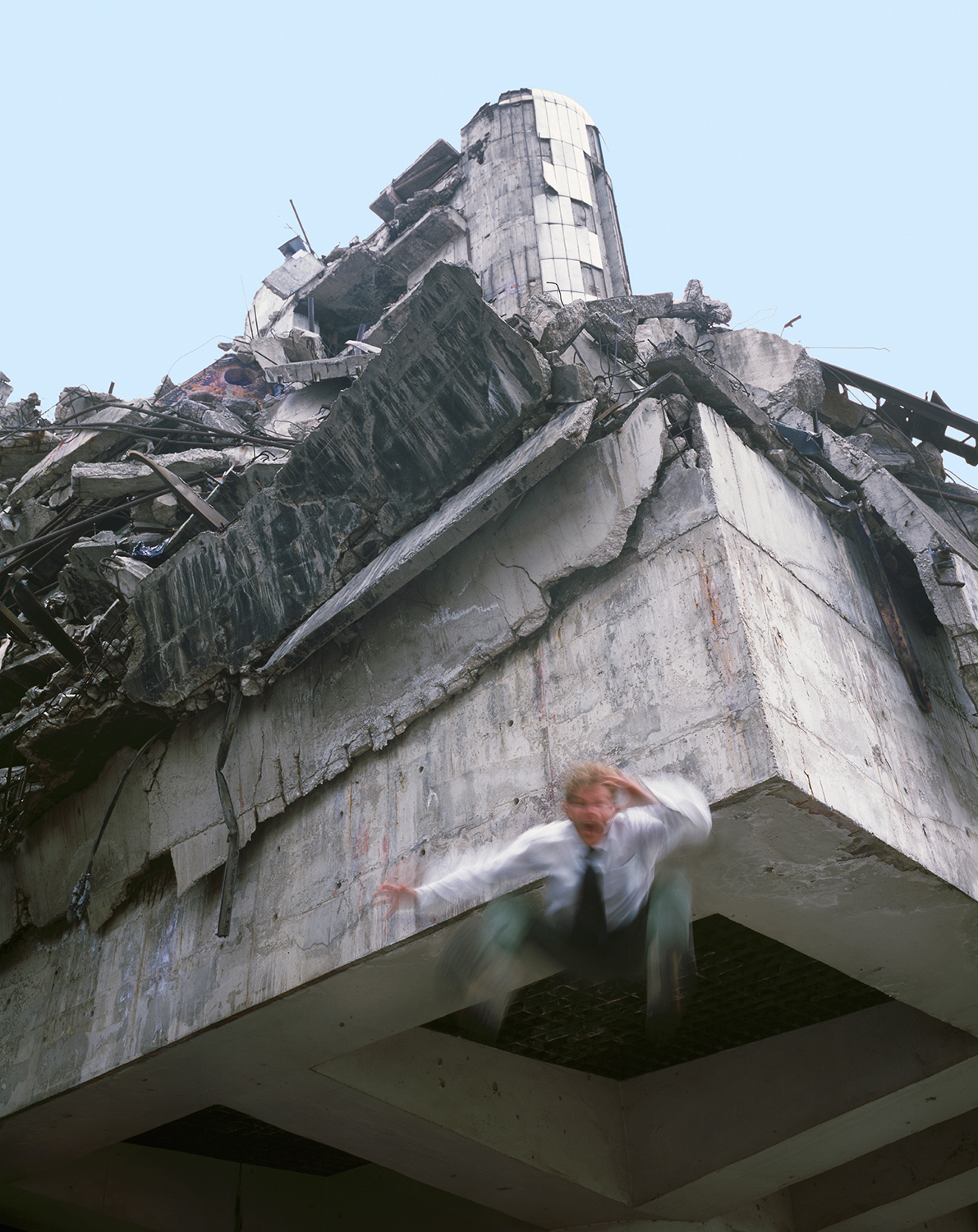
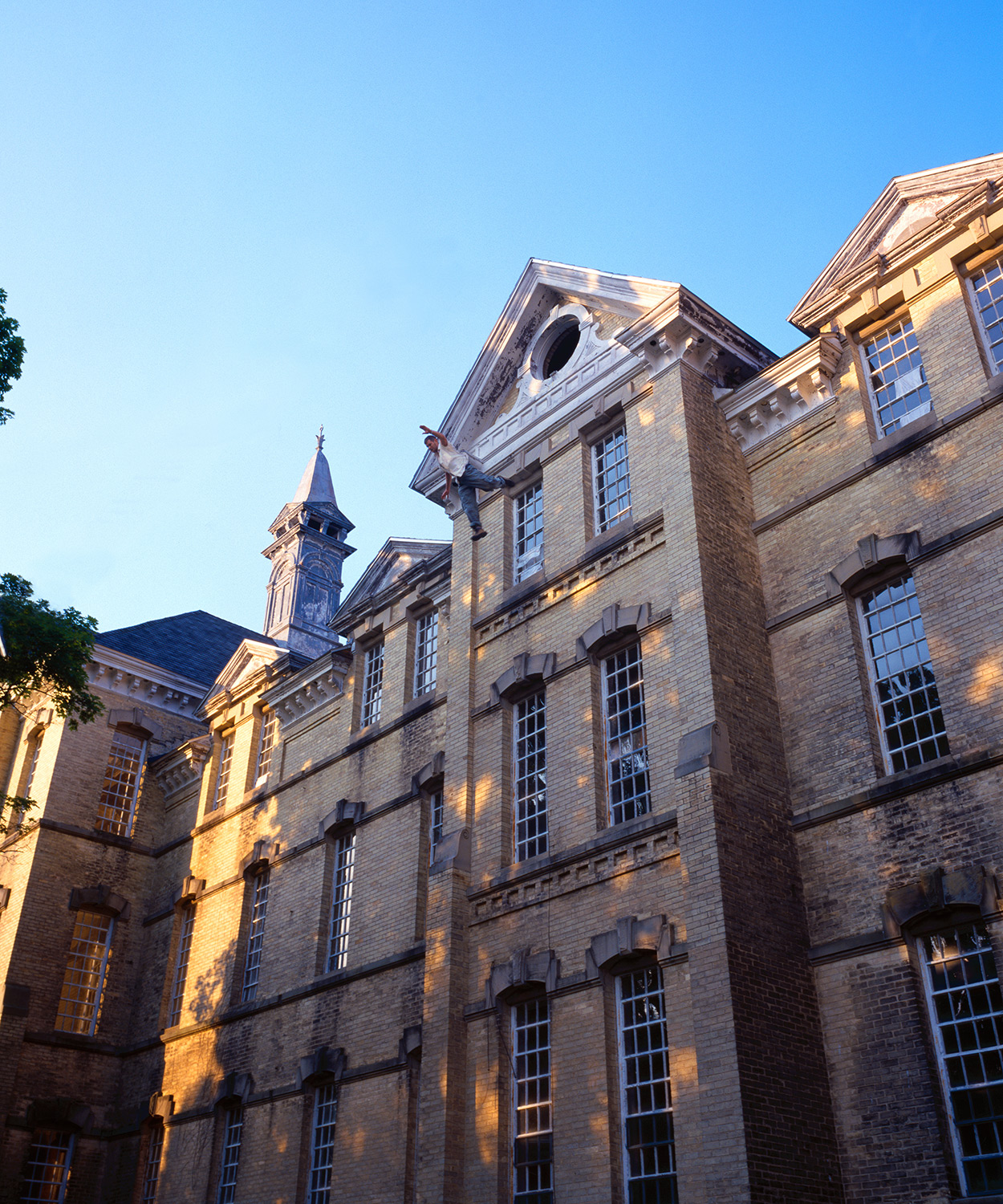
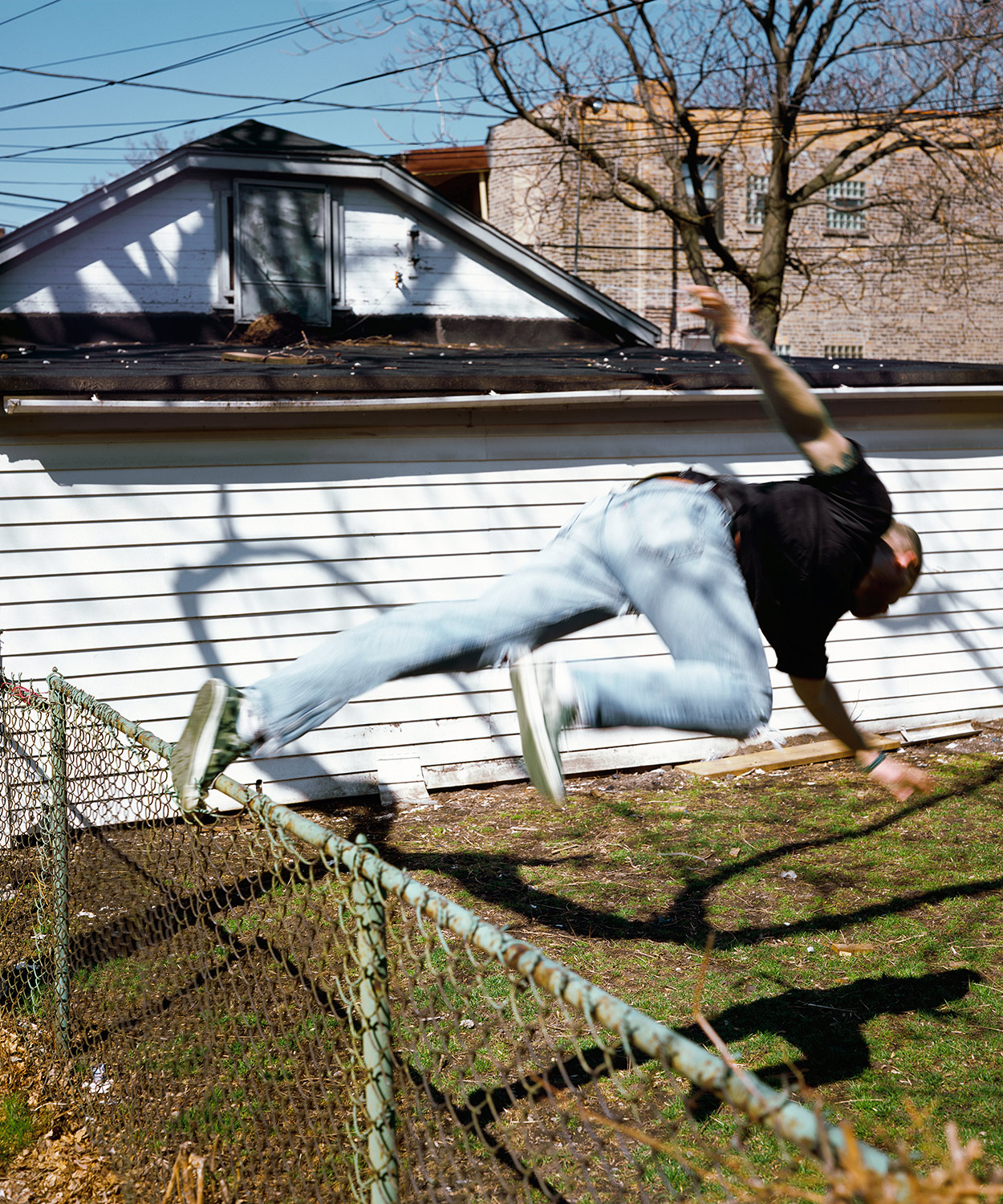
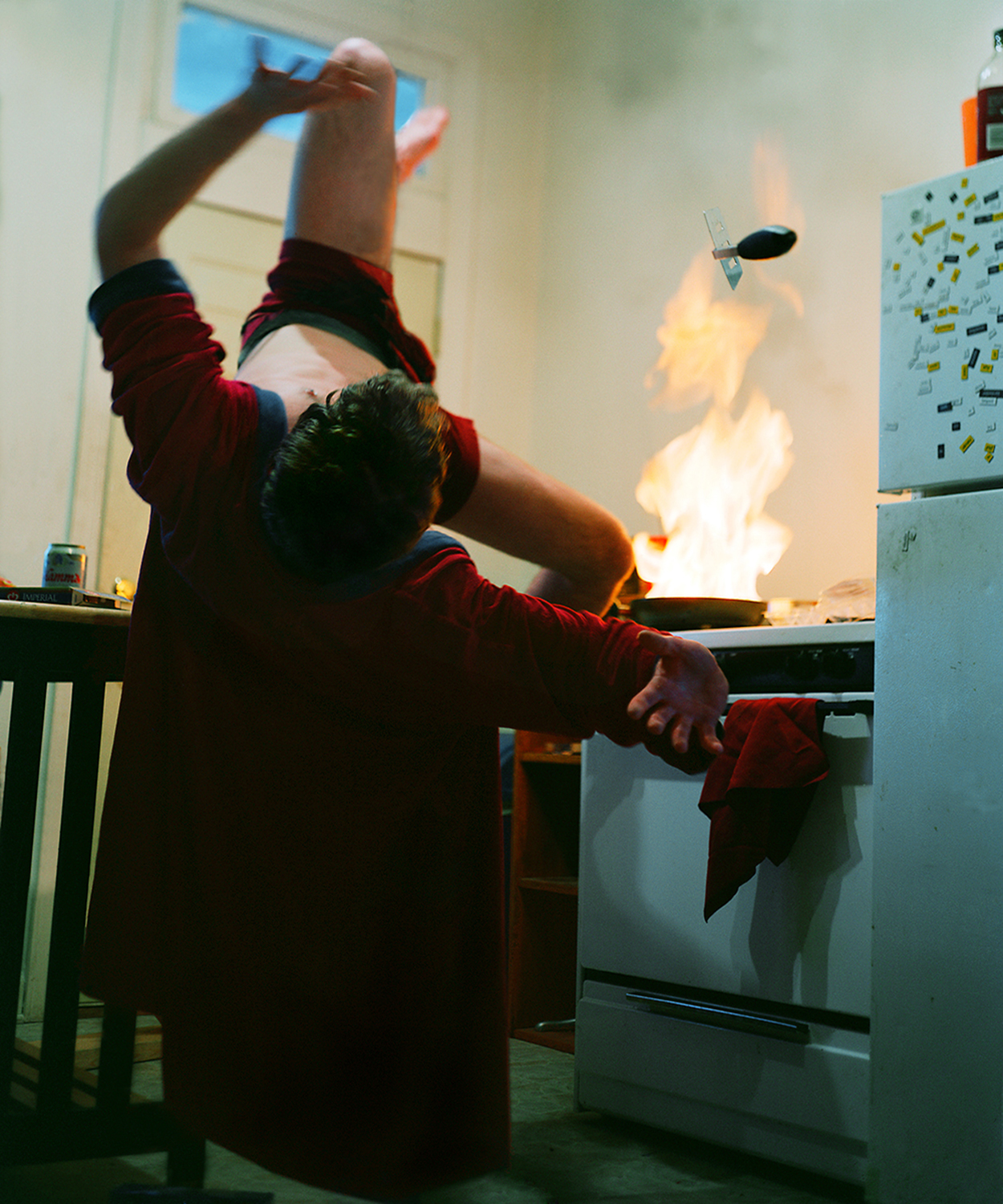
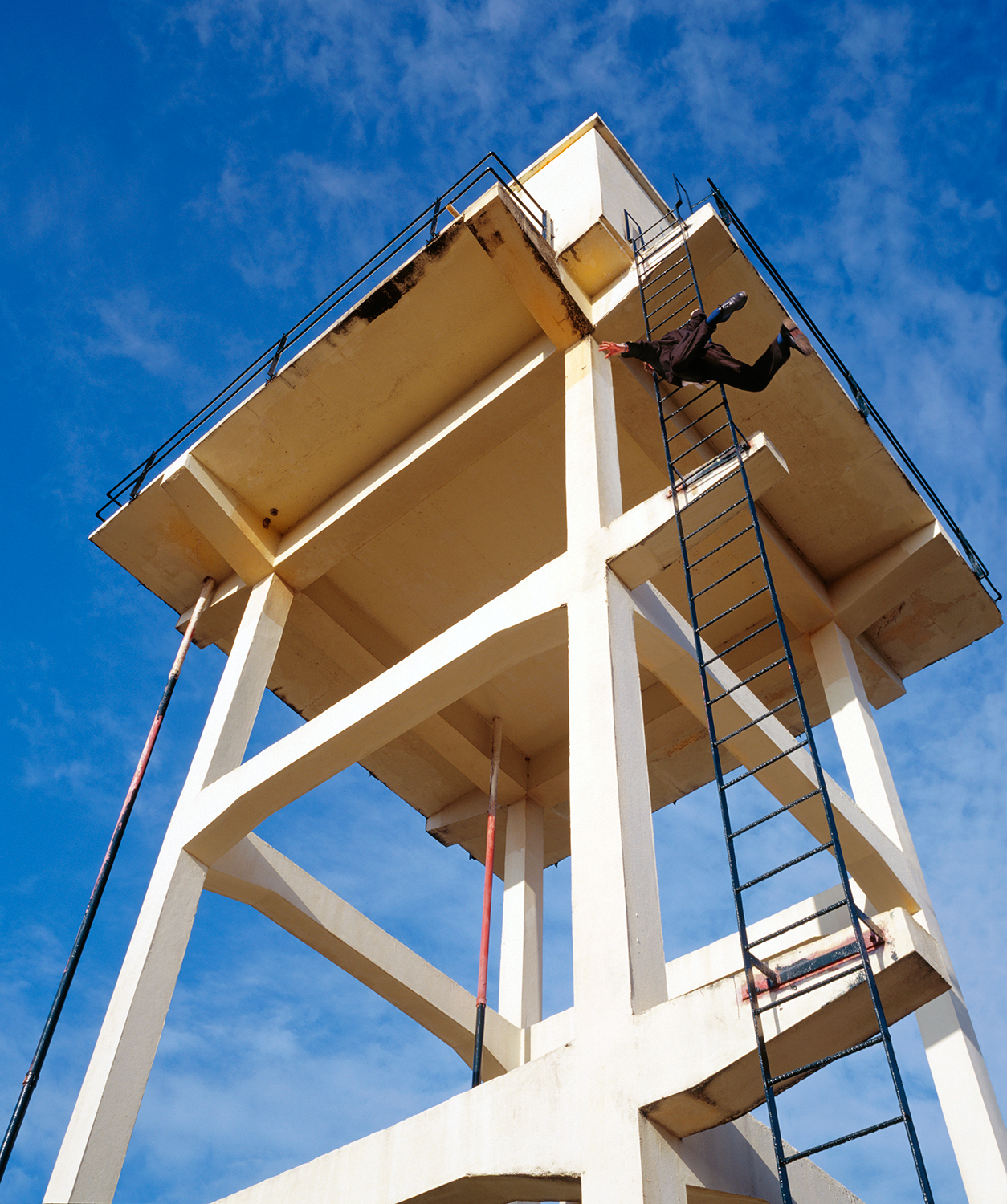
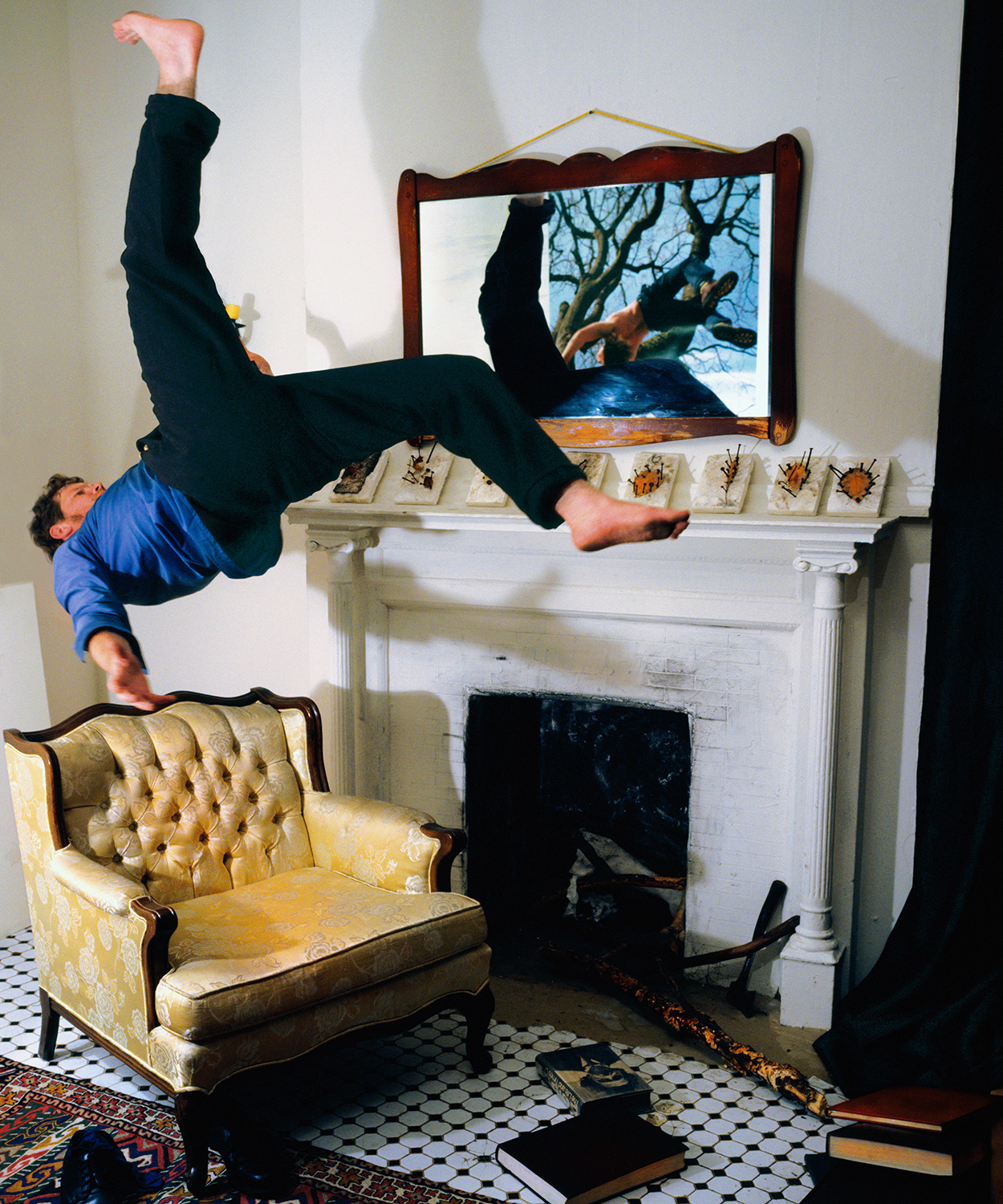
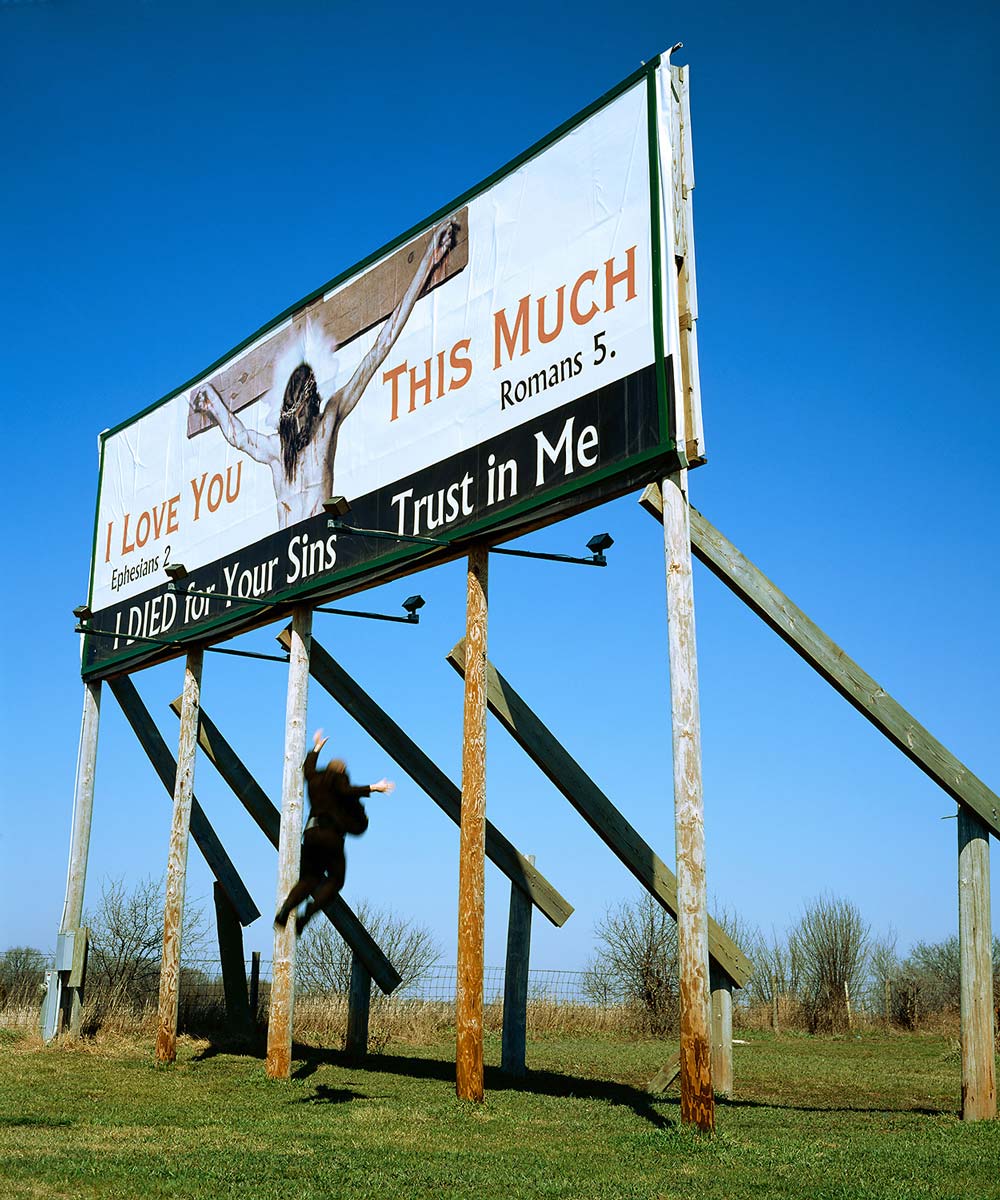
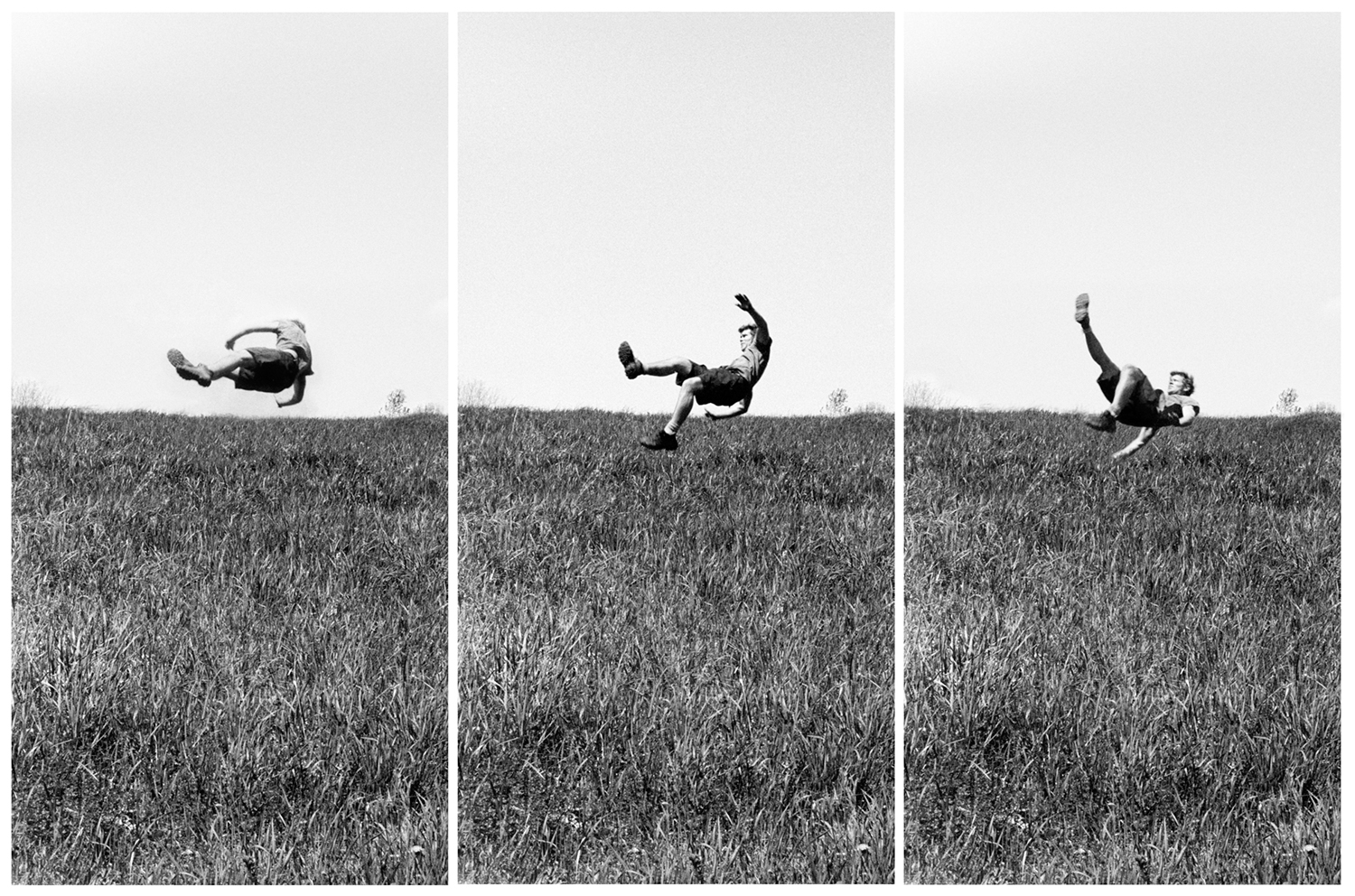
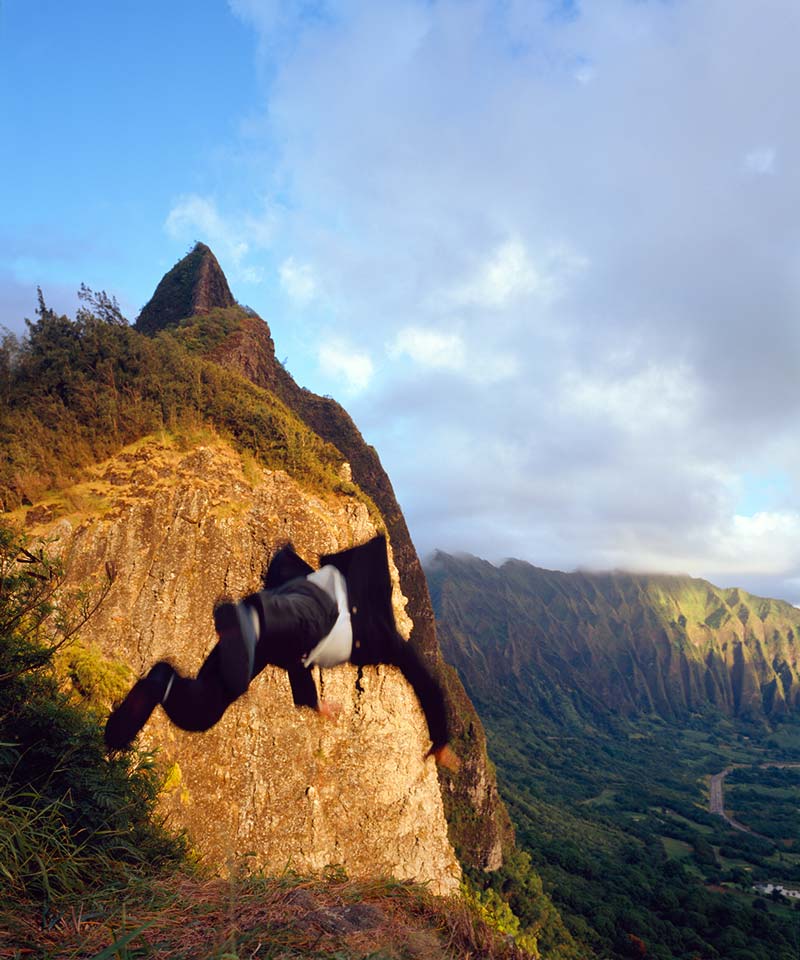
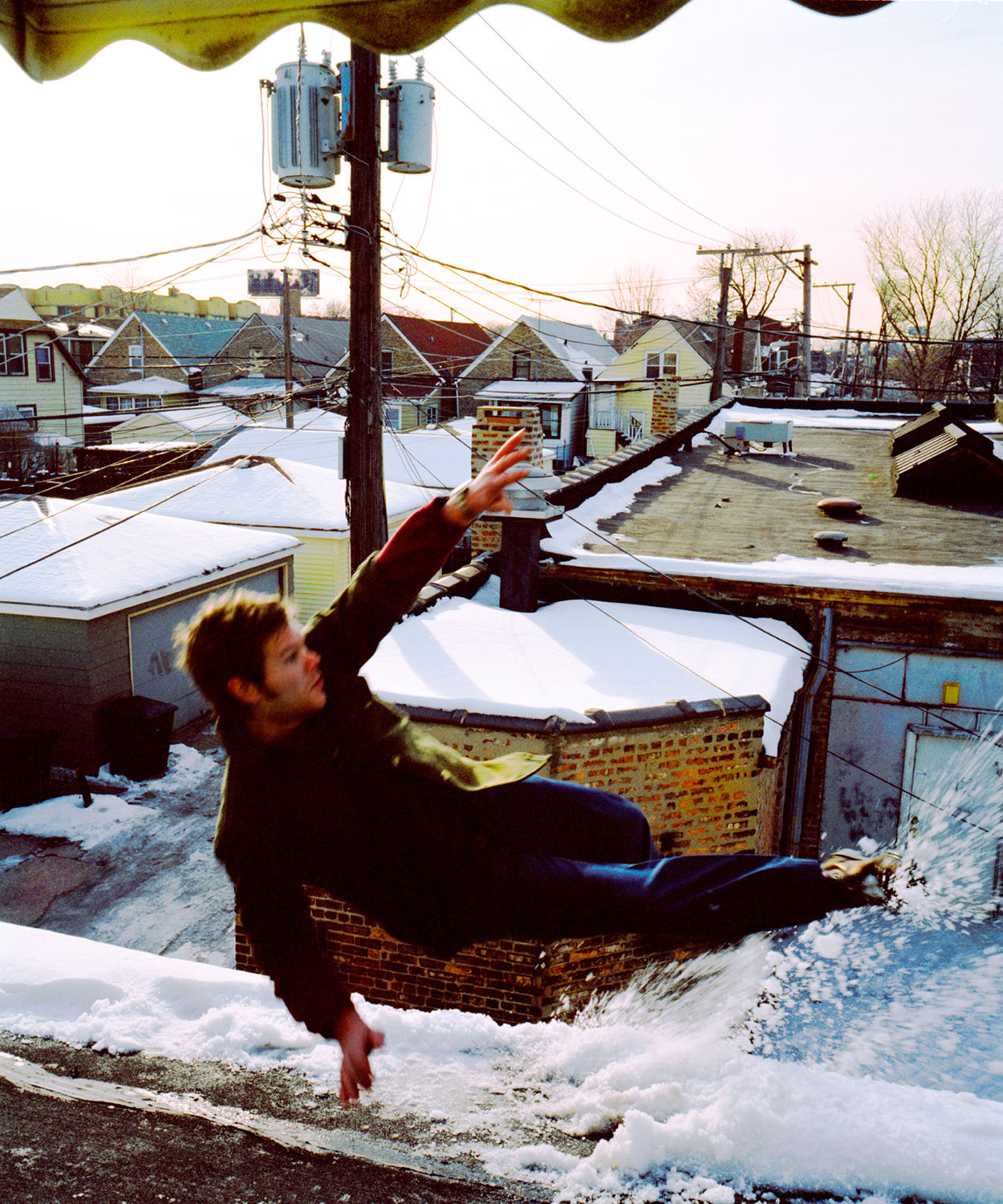
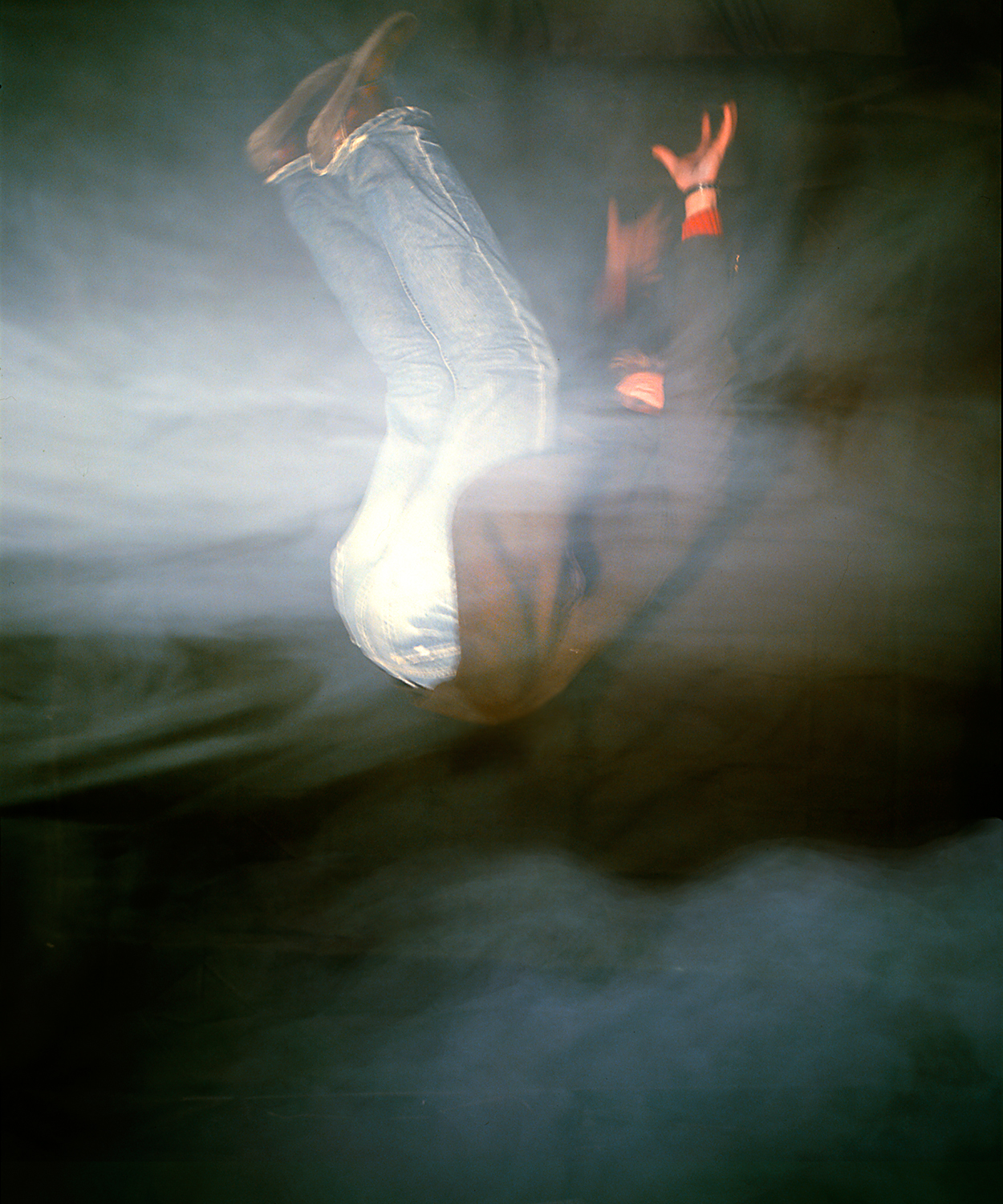
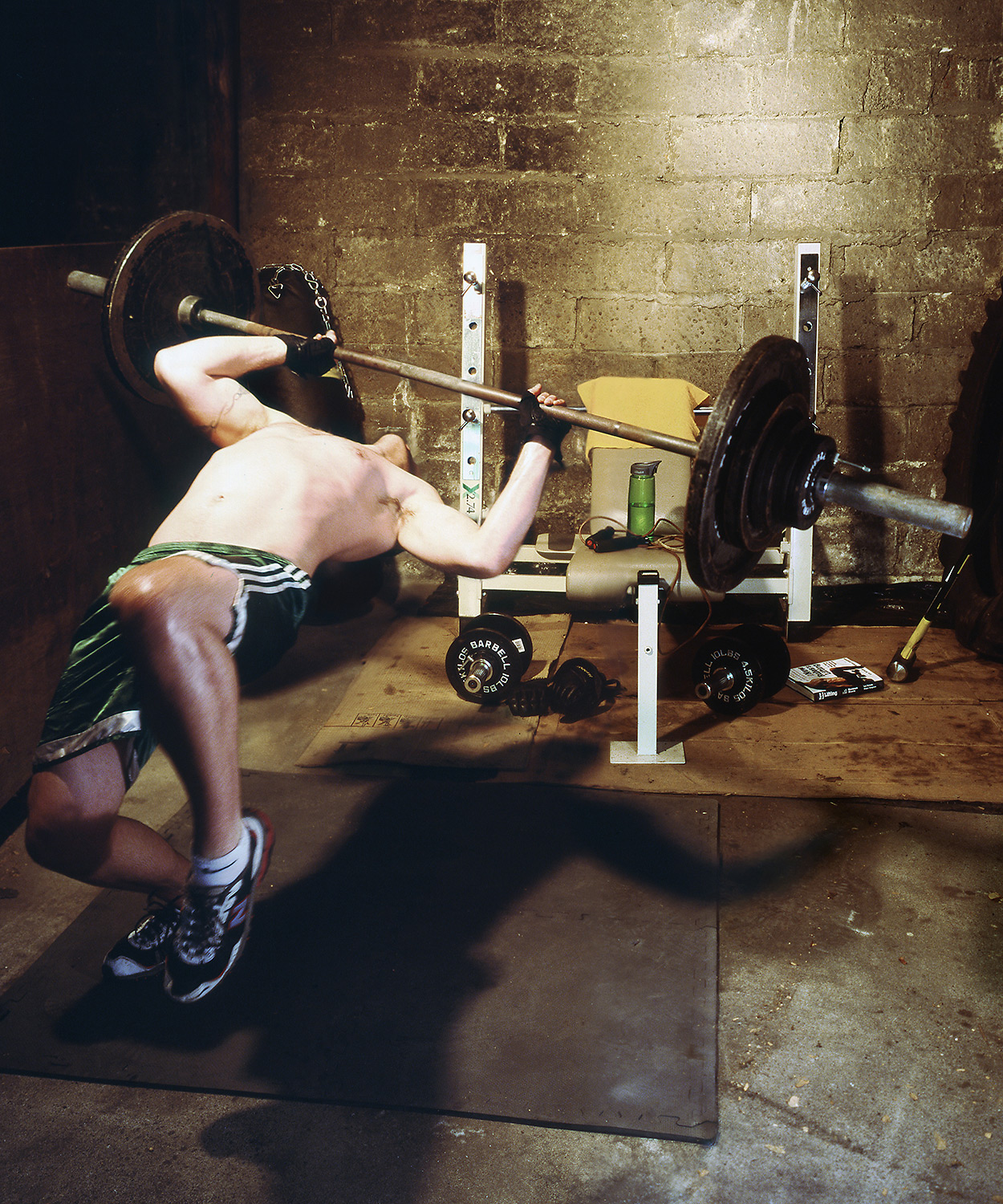
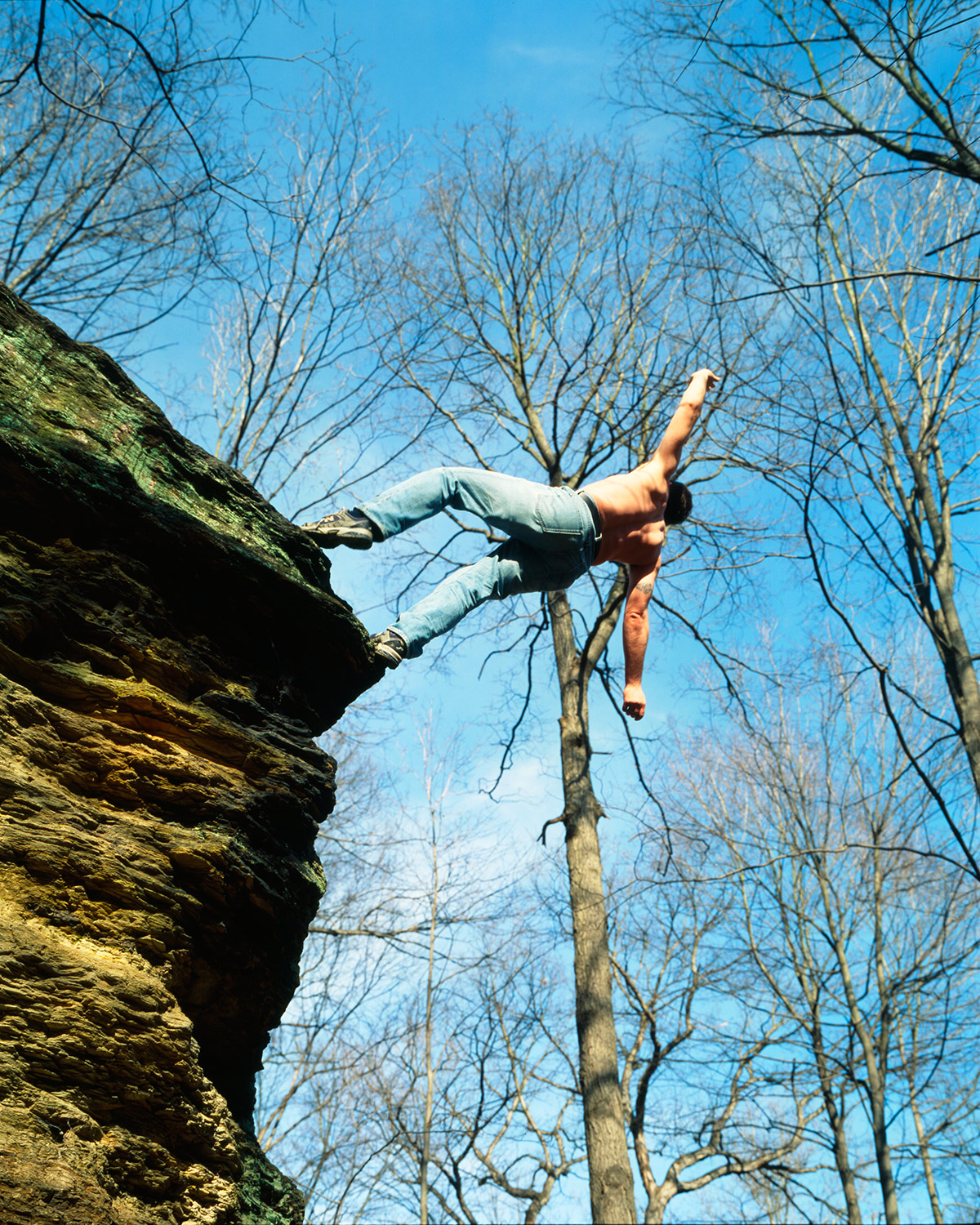
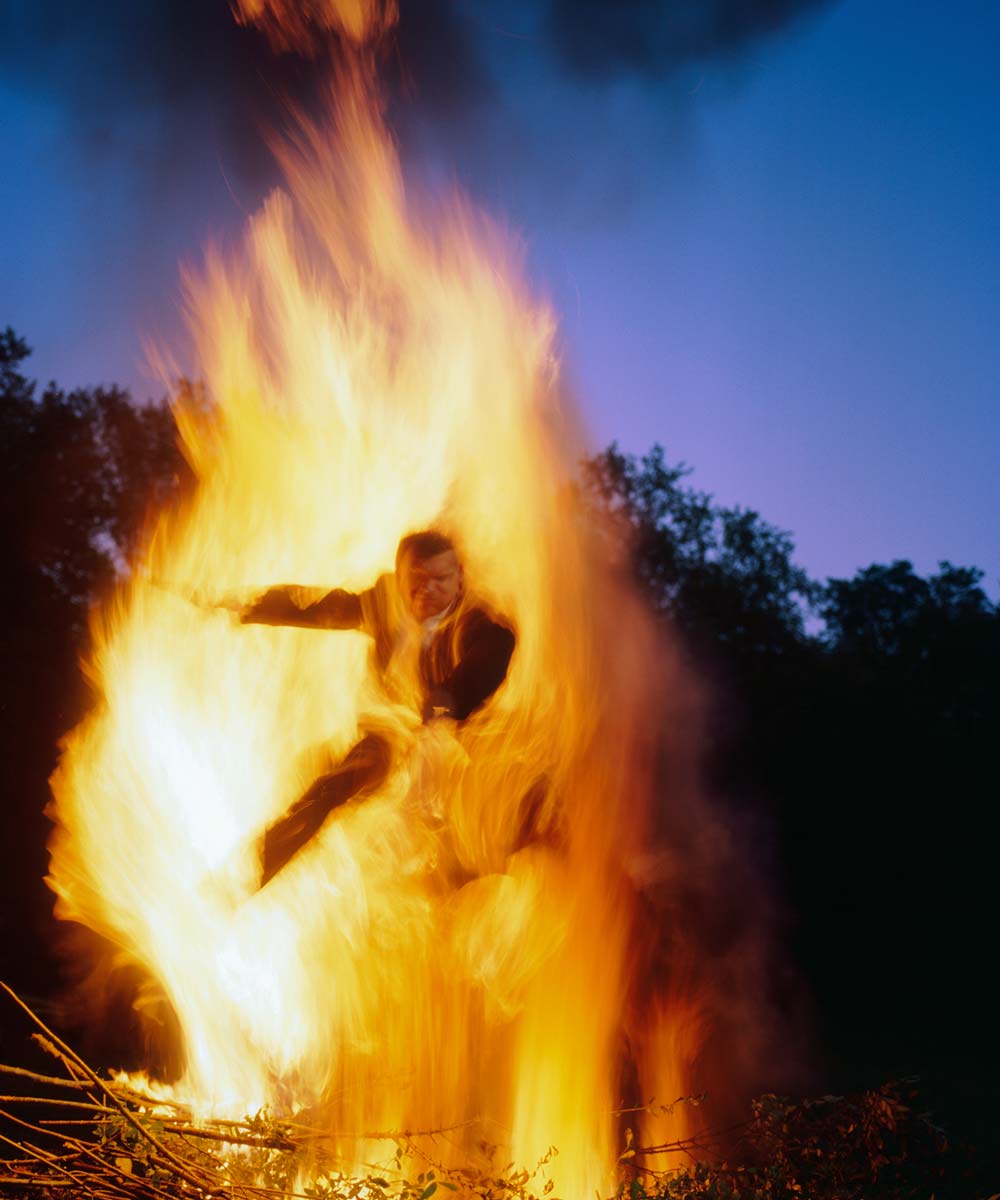
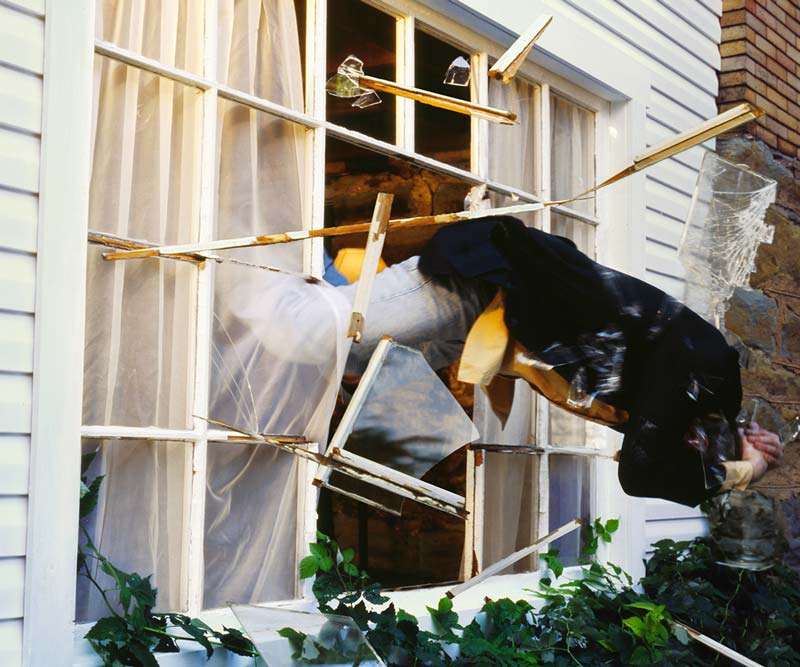
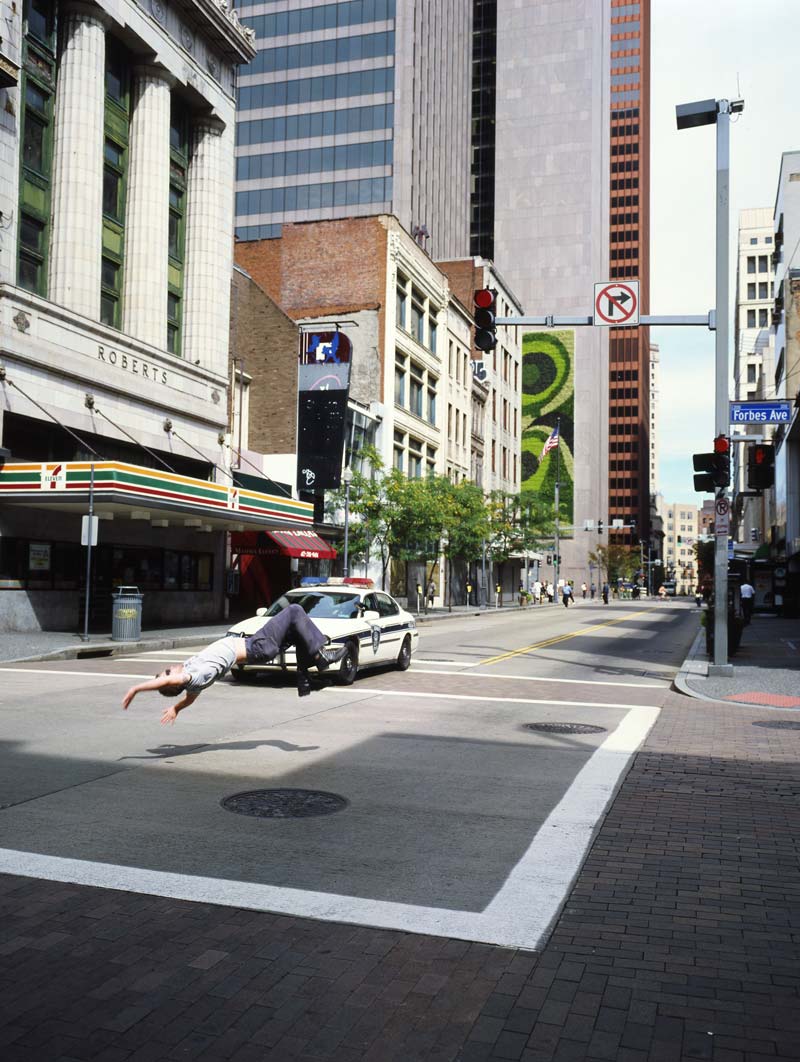
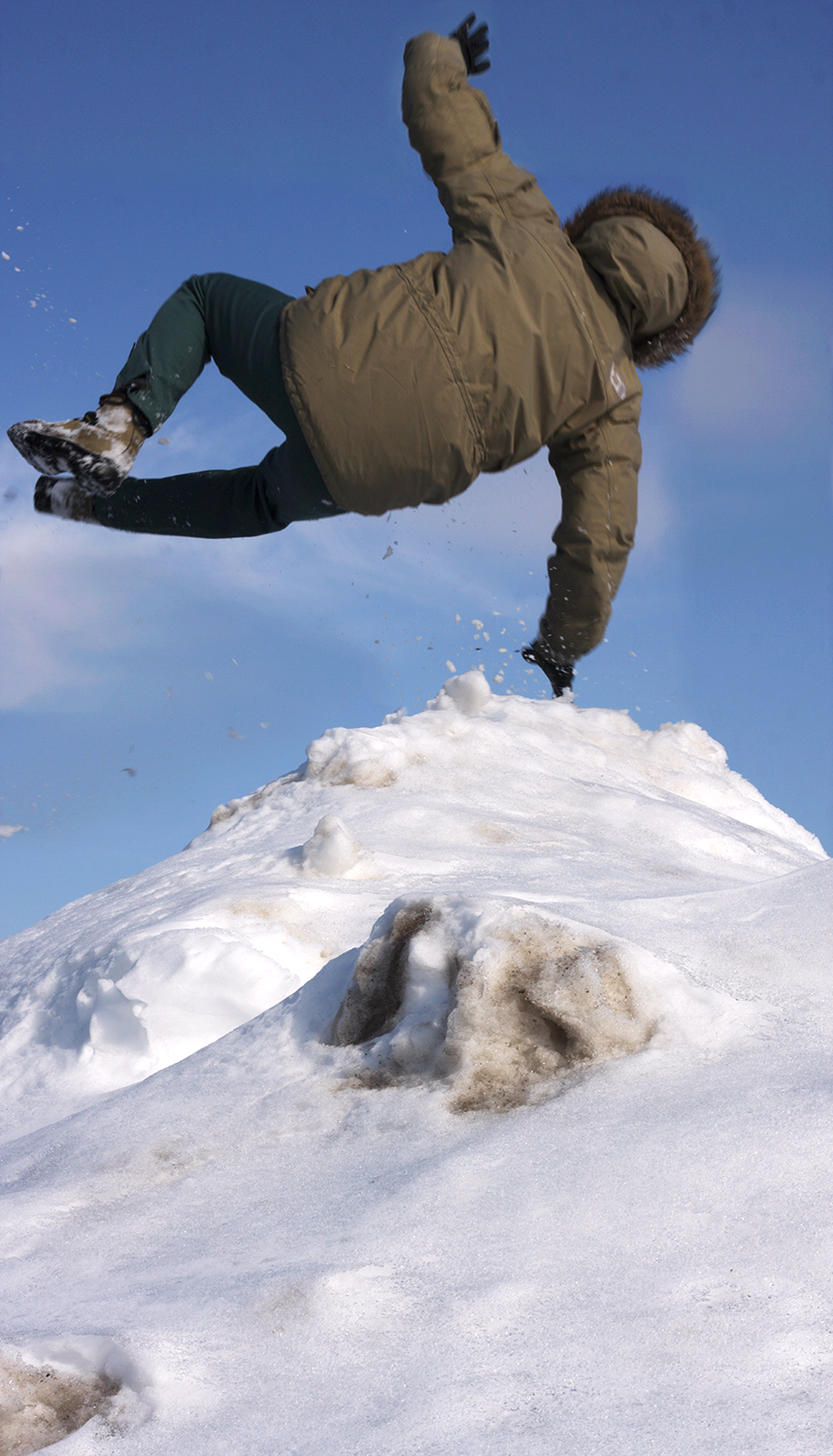
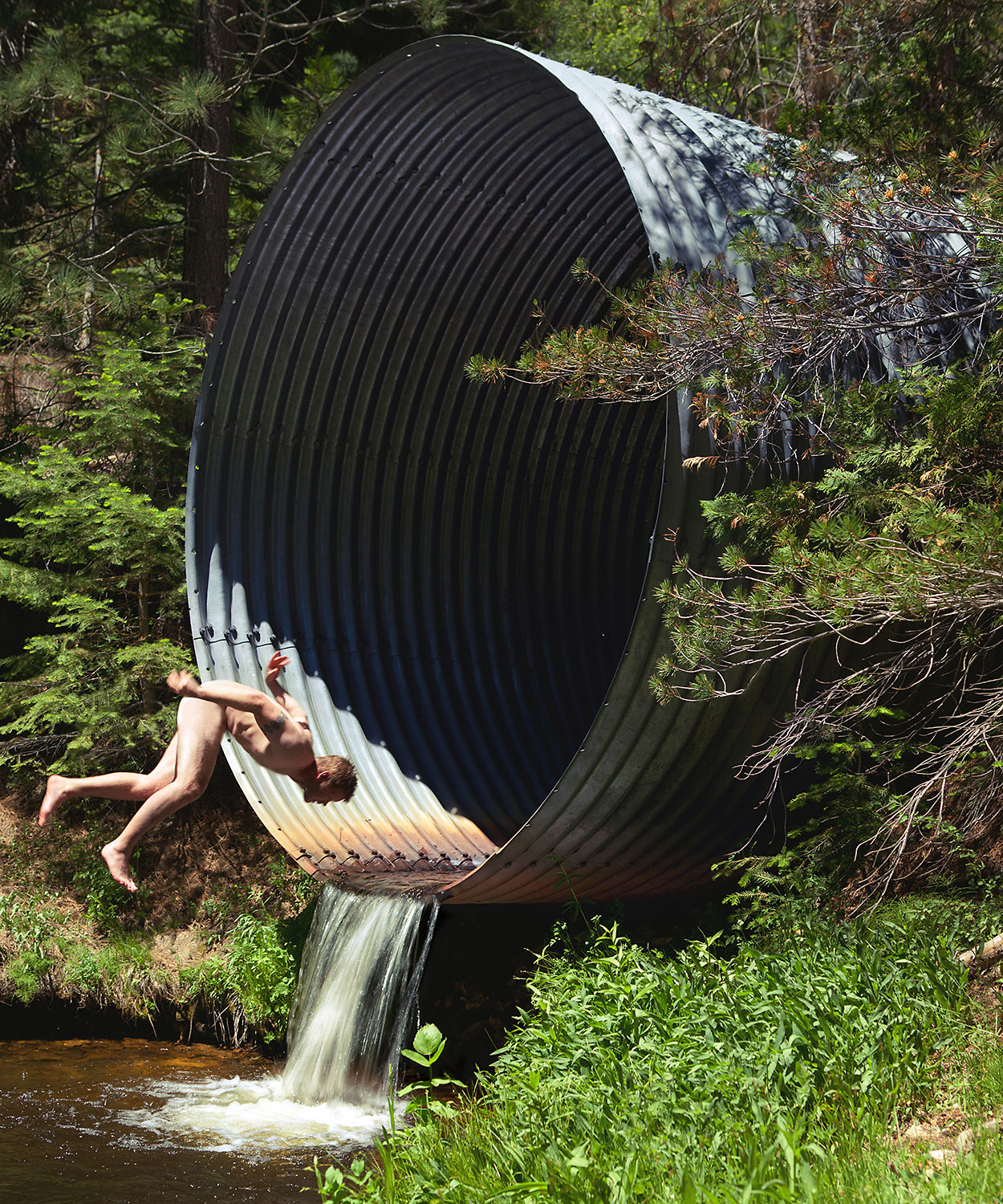
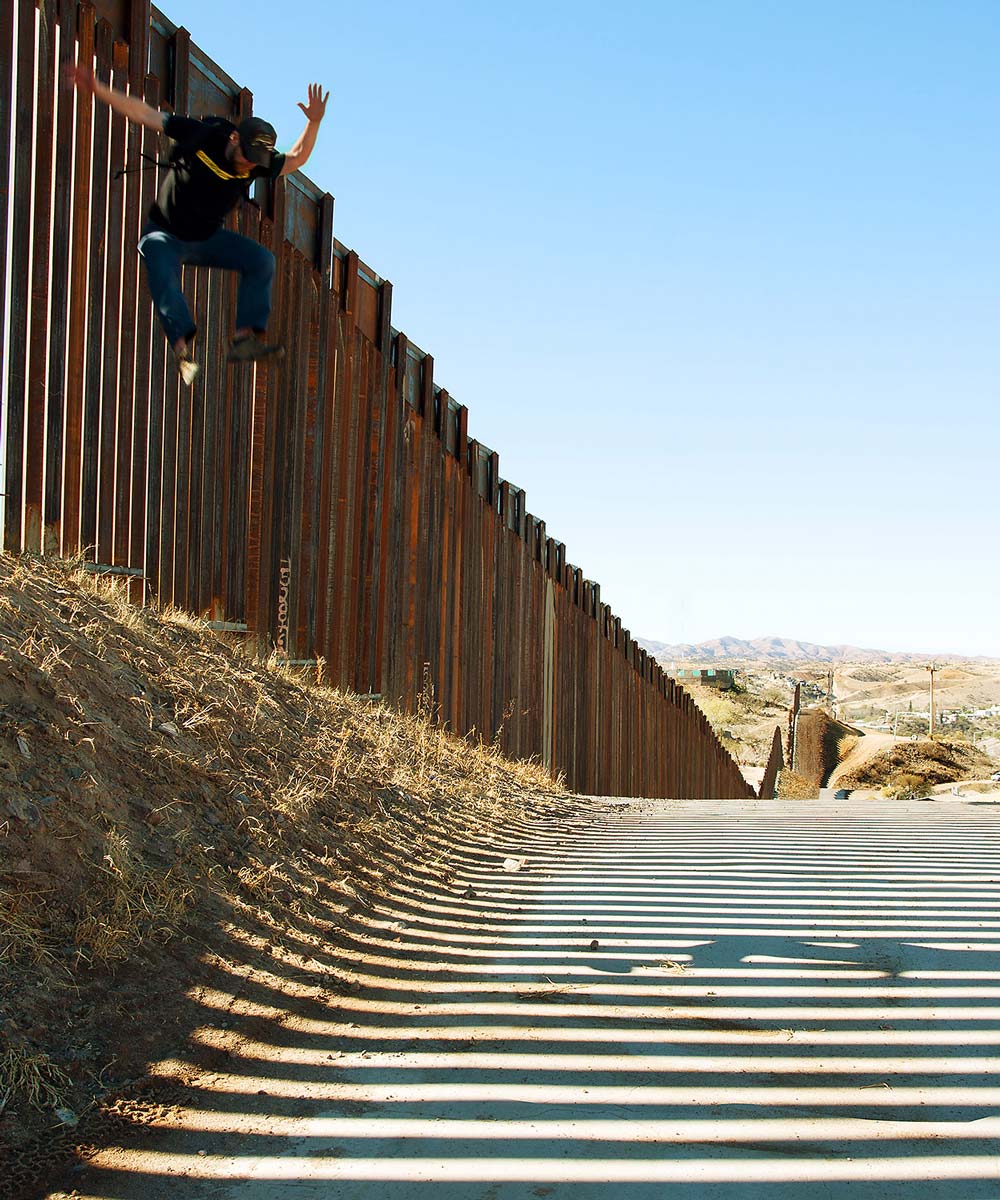
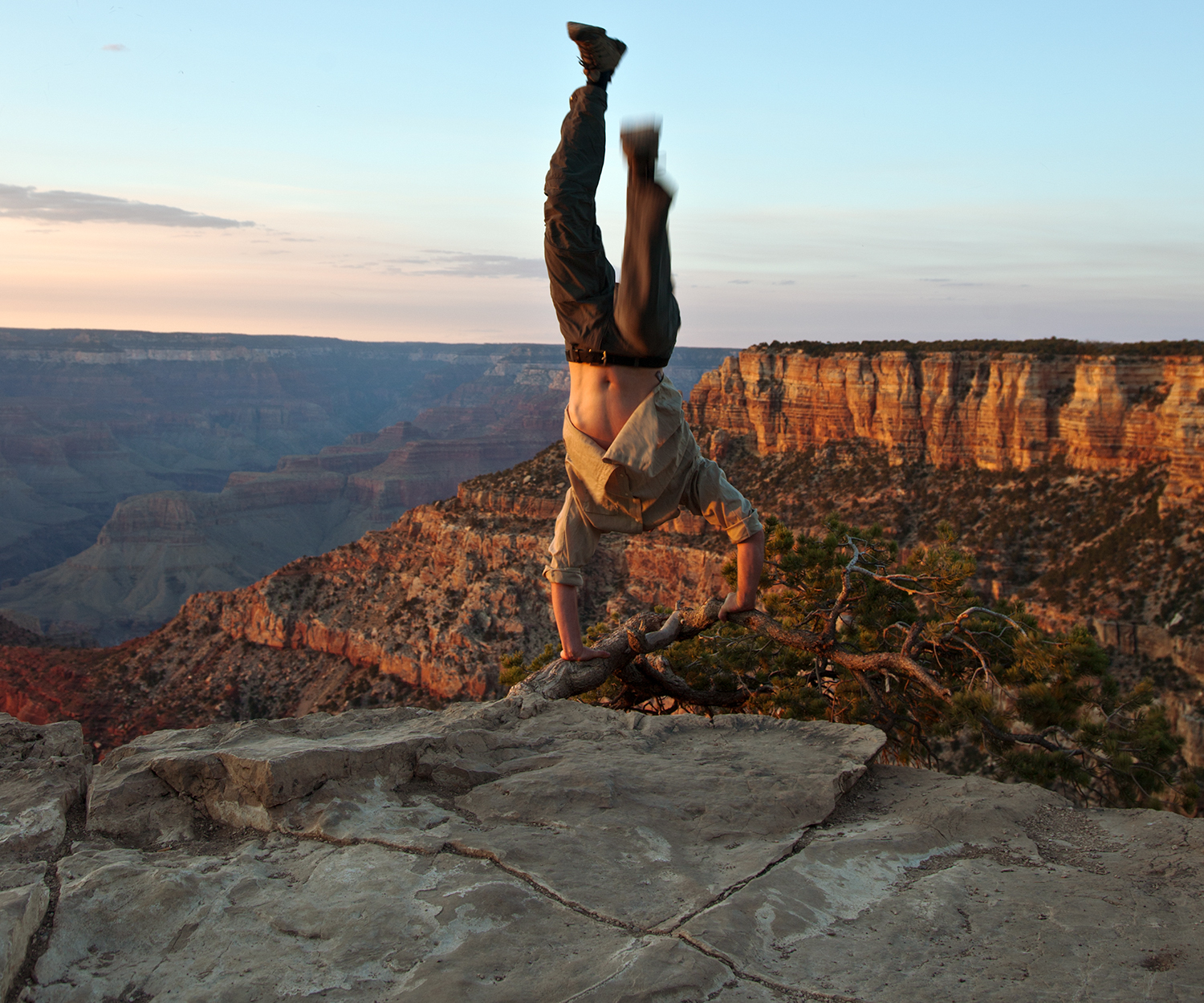
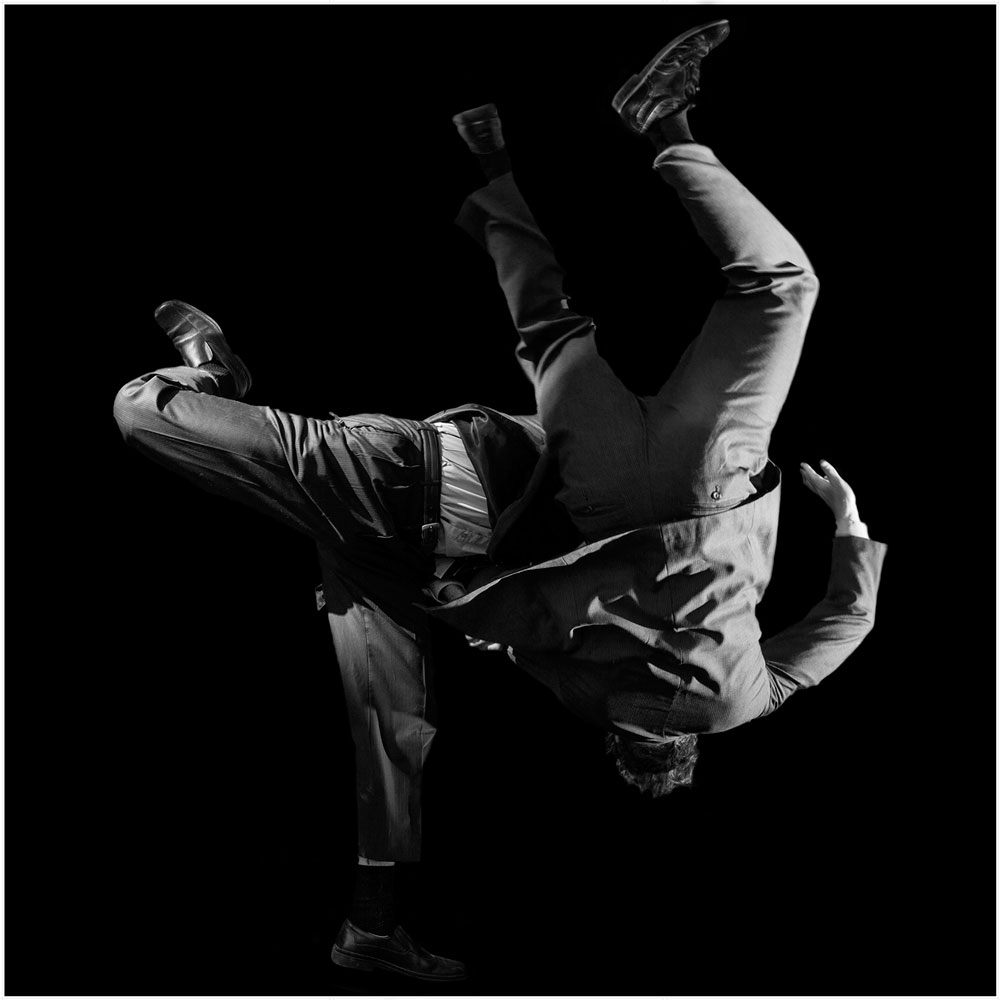
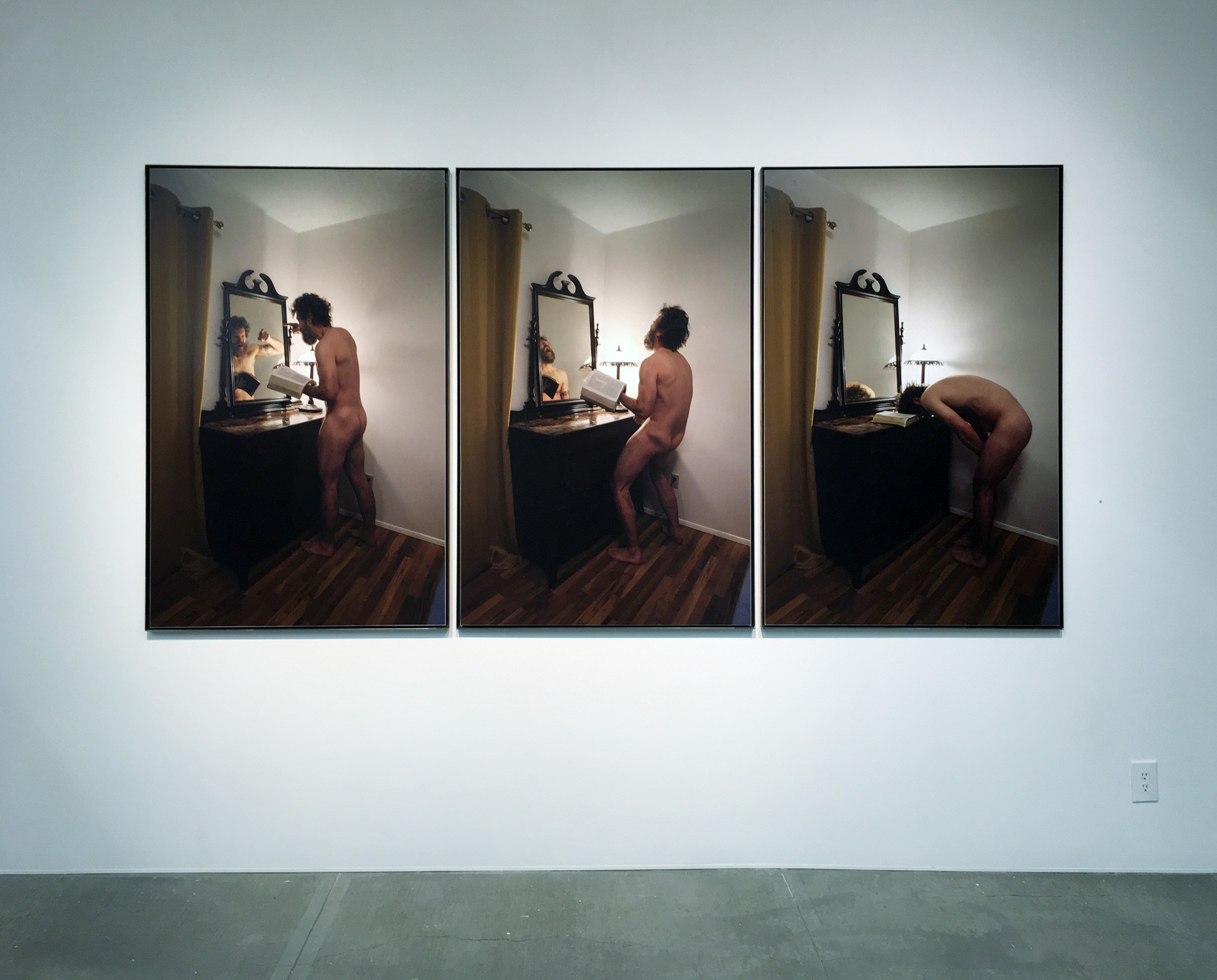
The Struggle to Right Oneself is a series of performative photographs in which Skarbakka uses his own body to explore moments of falling, suspension, and physical instability. Working with climbing equipment, rigging, and practical effects, he stages these actions across domestic interiors, architecture, and natural landscapes. The photographs are made through physical performance for the camera, capturing the body between an initiating action and its consequence.
68-pages Essay by Corey Dzenko, Phd. Interview by Paul Shambroom
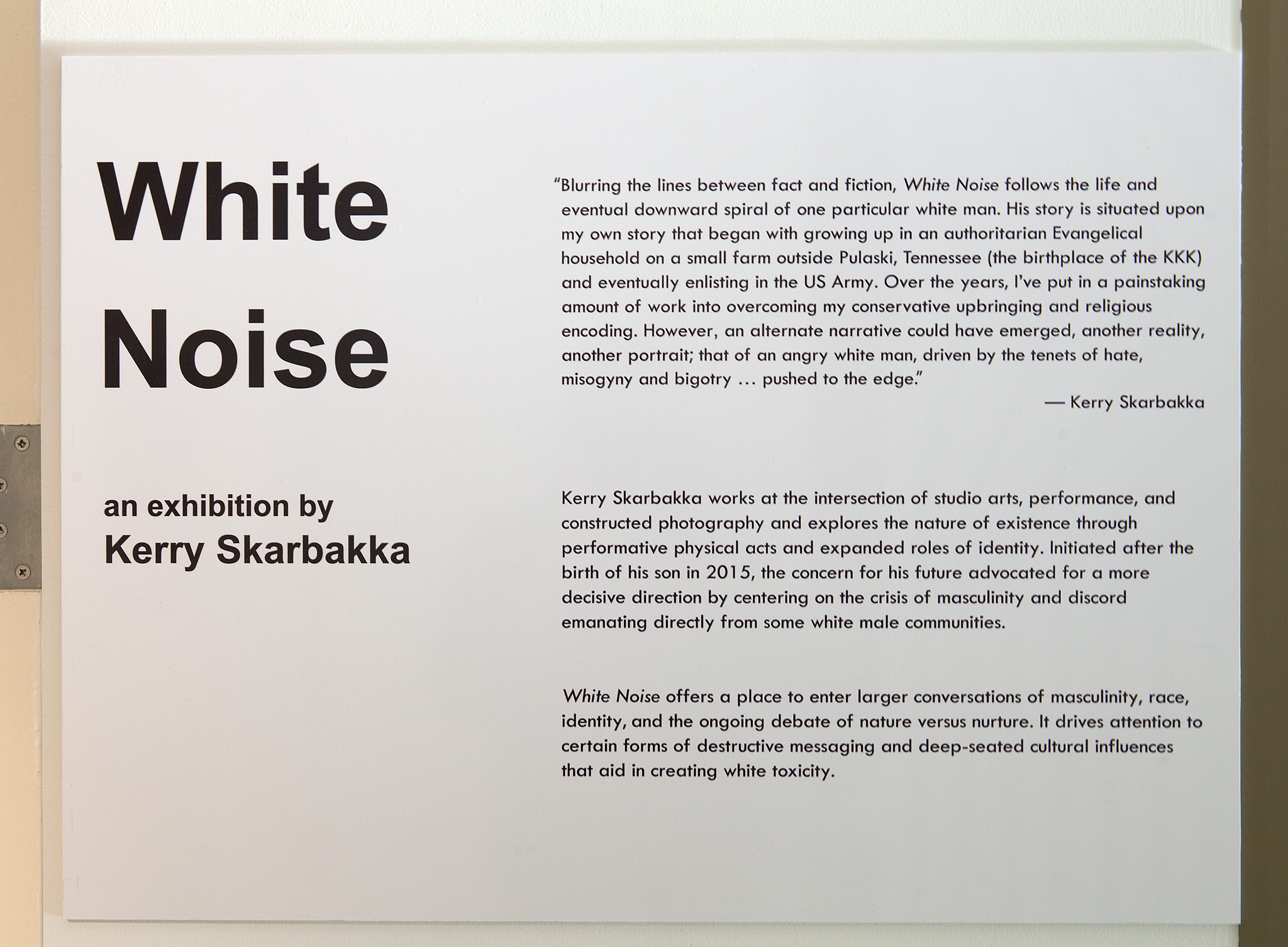
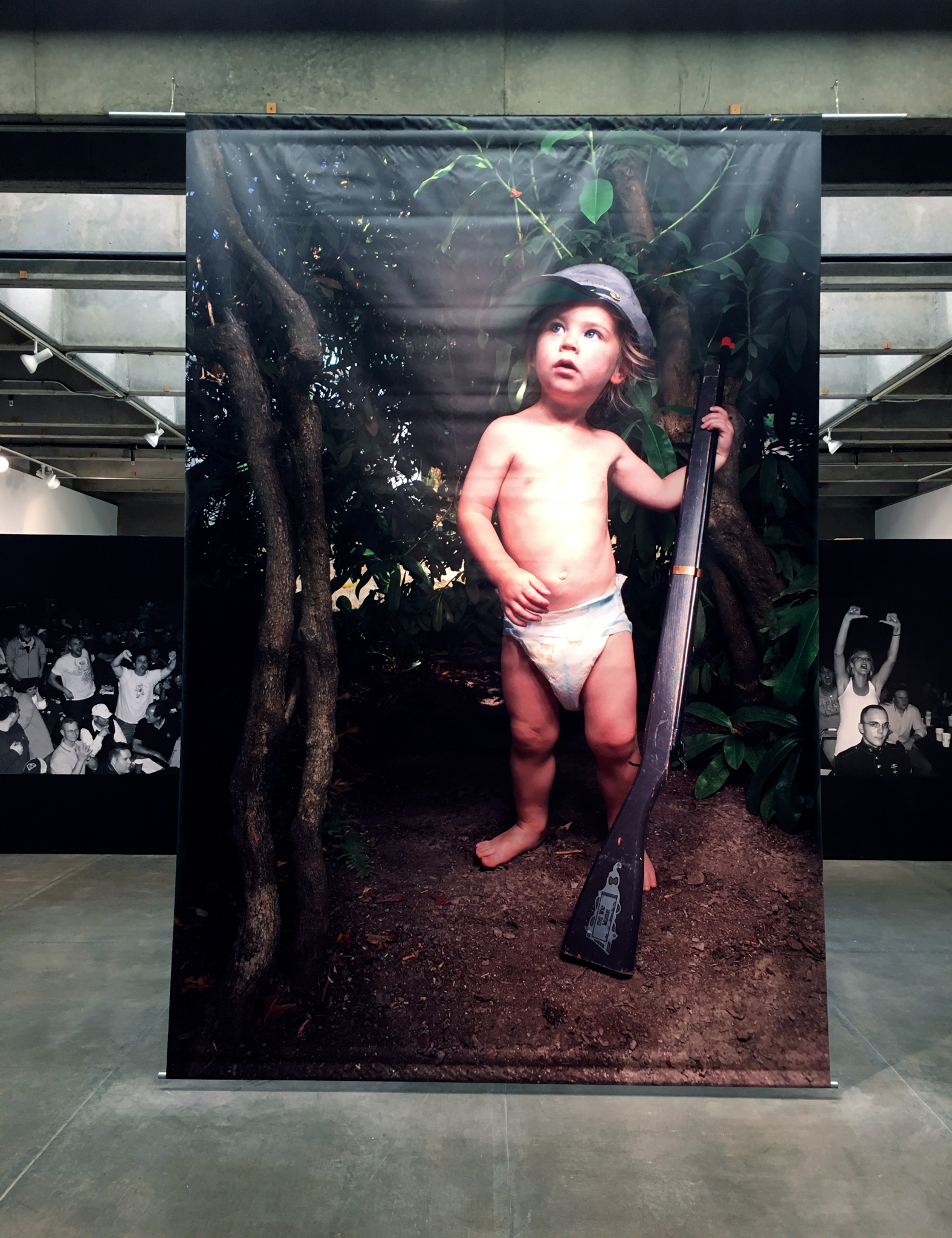
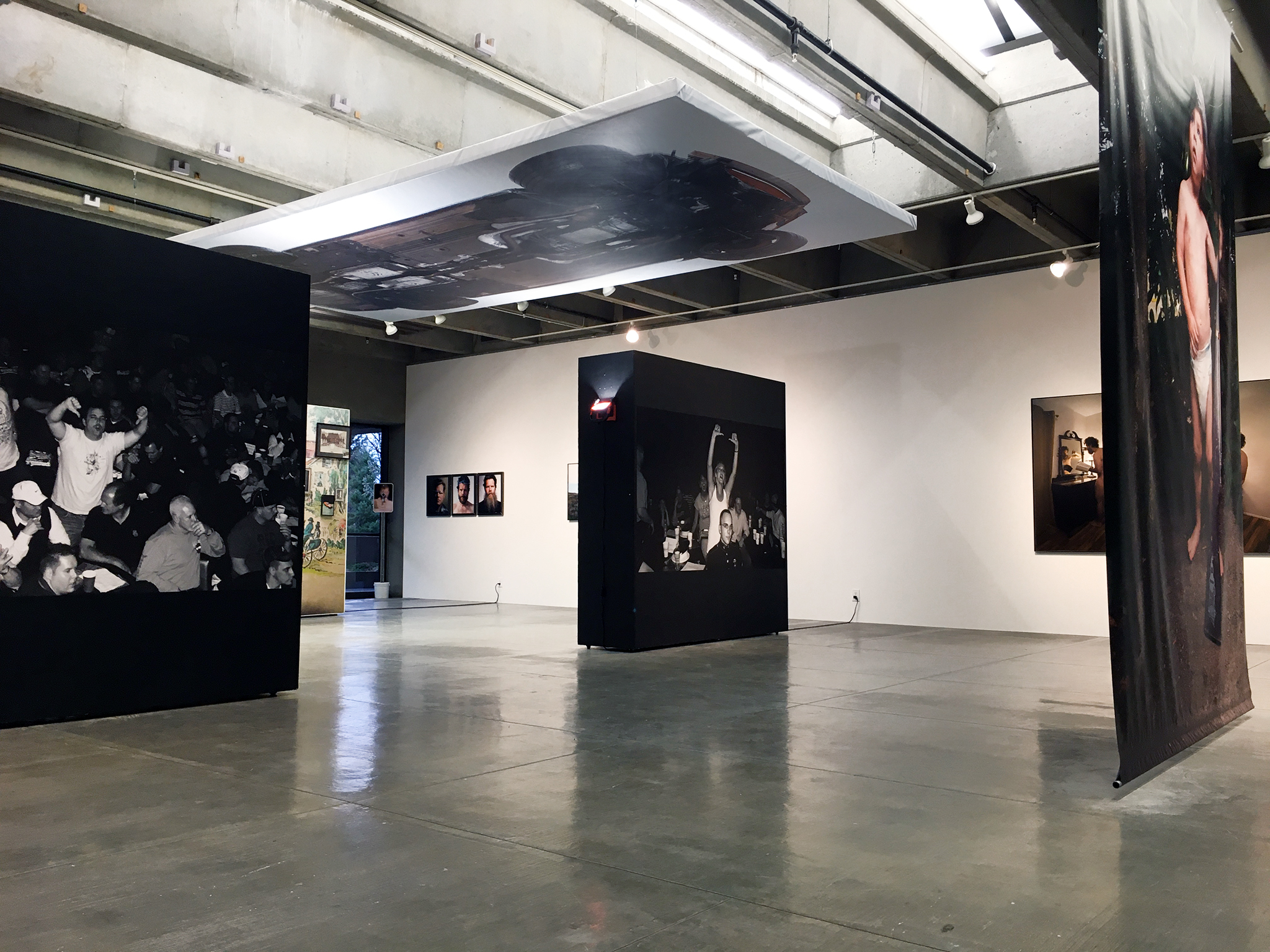
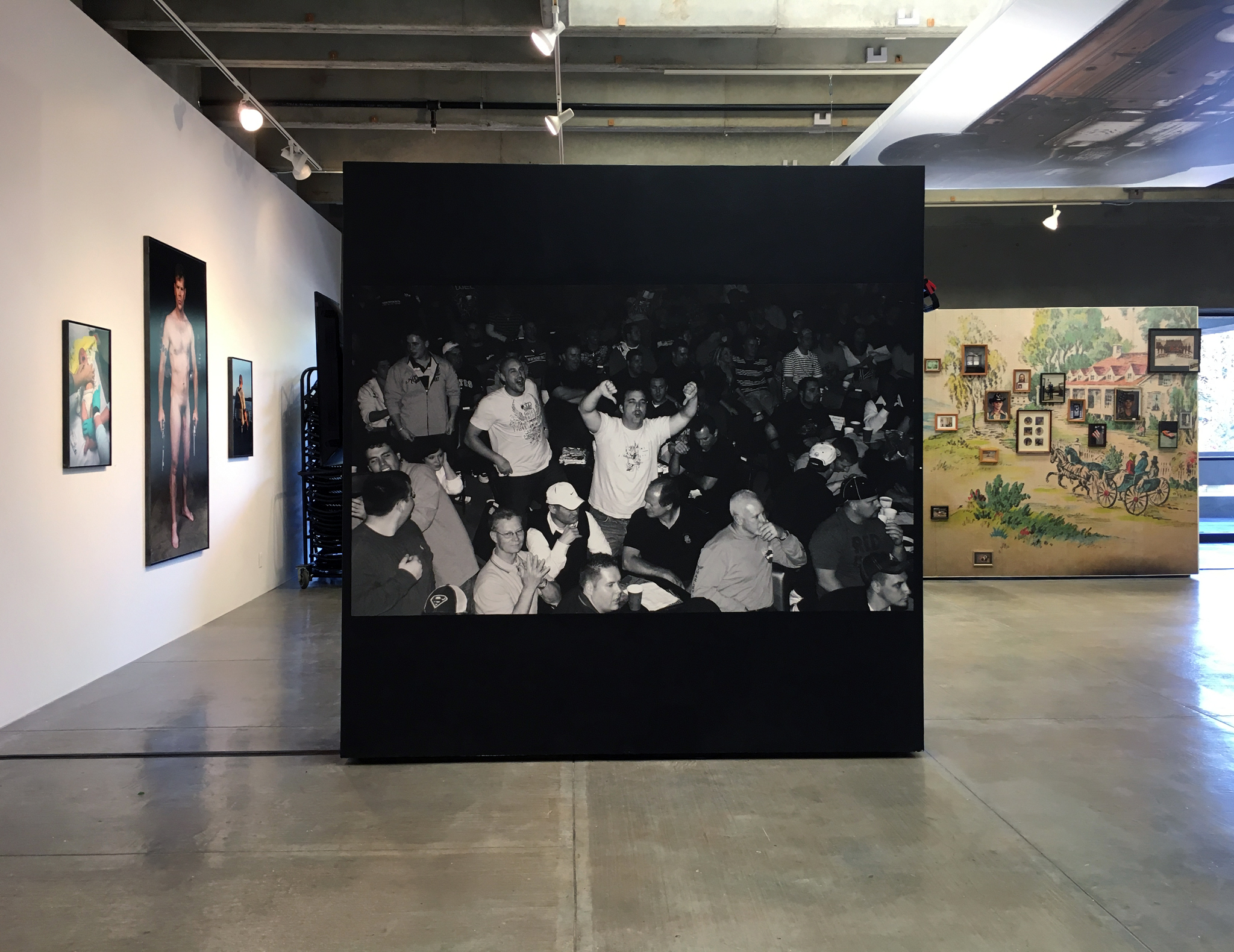
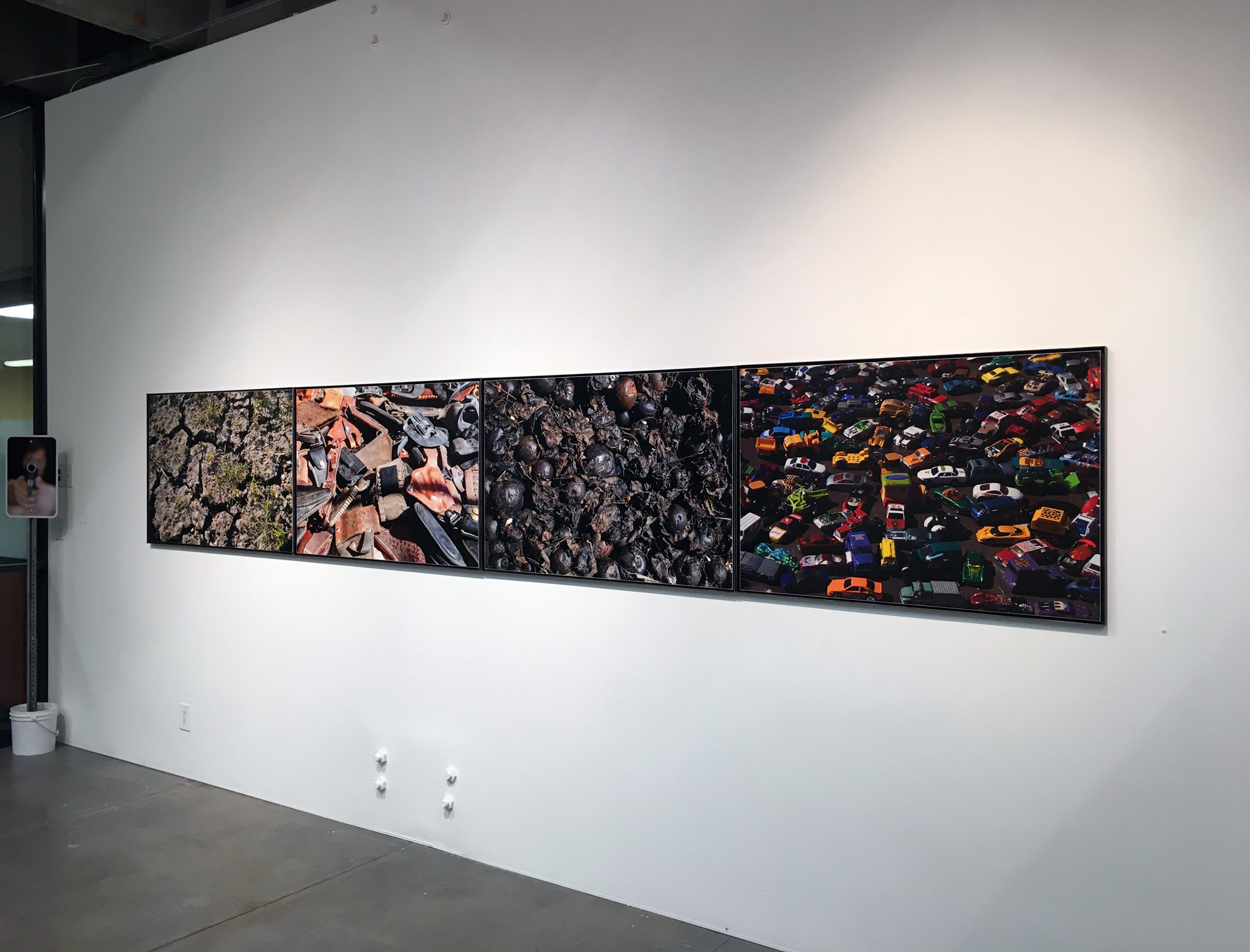
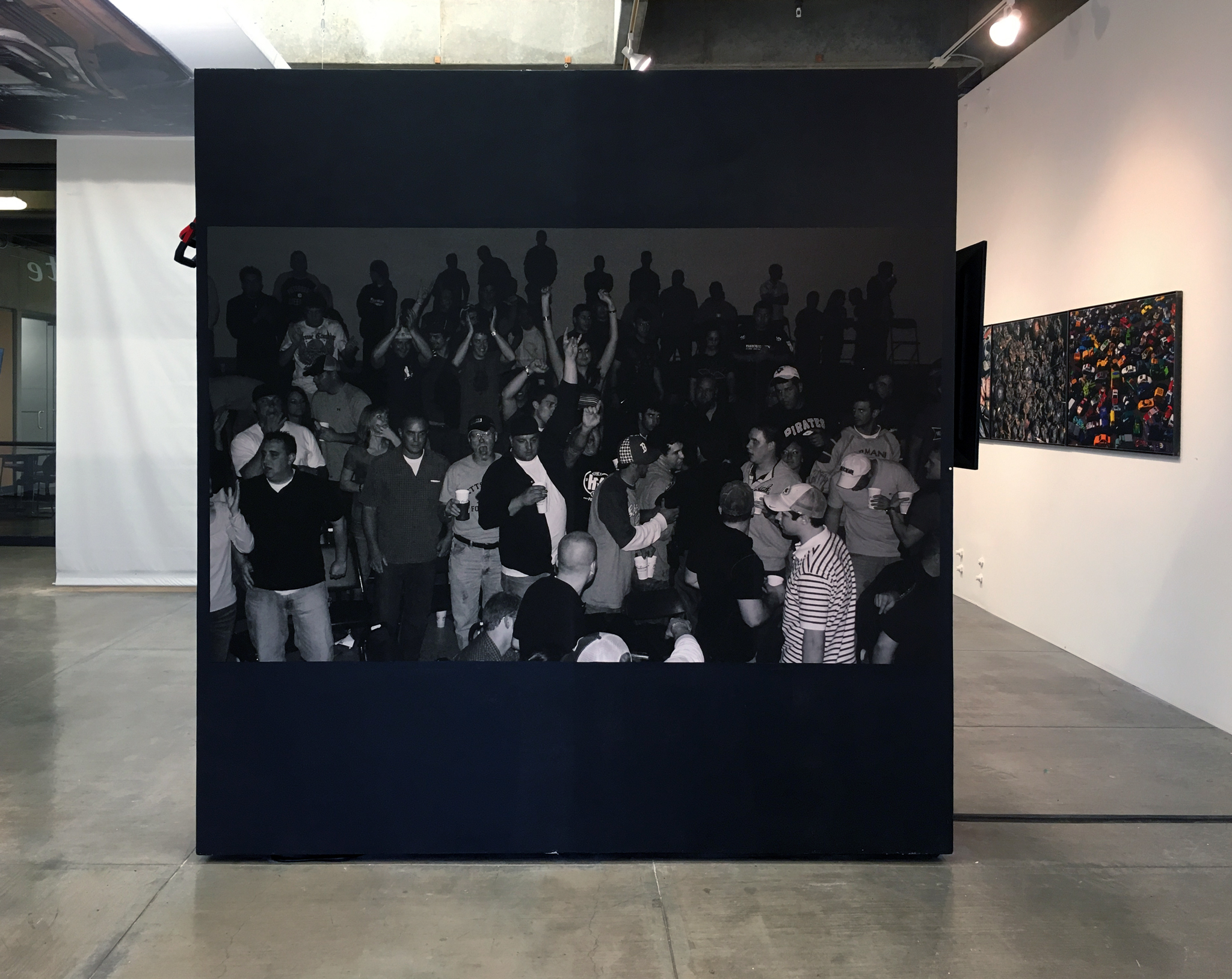
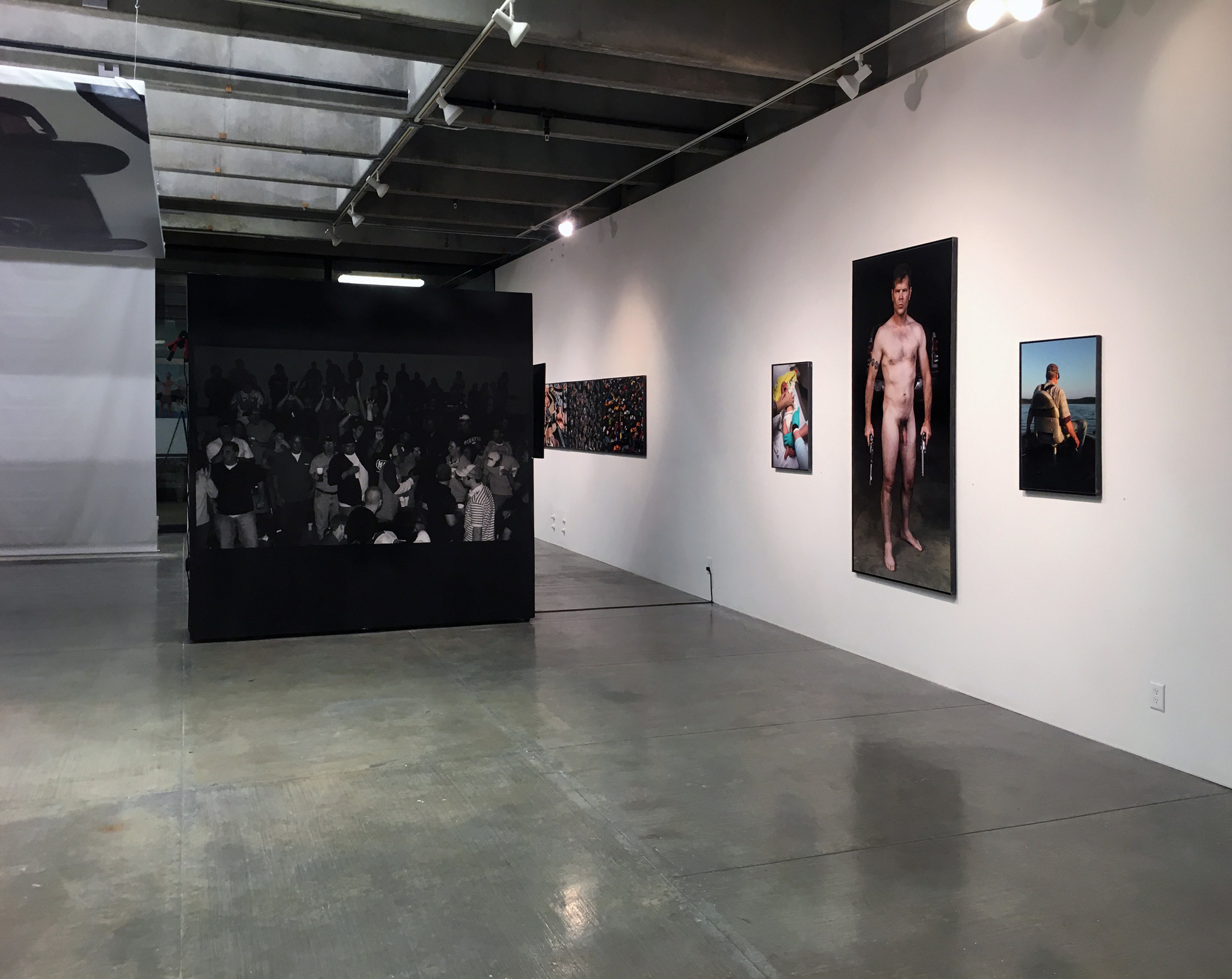
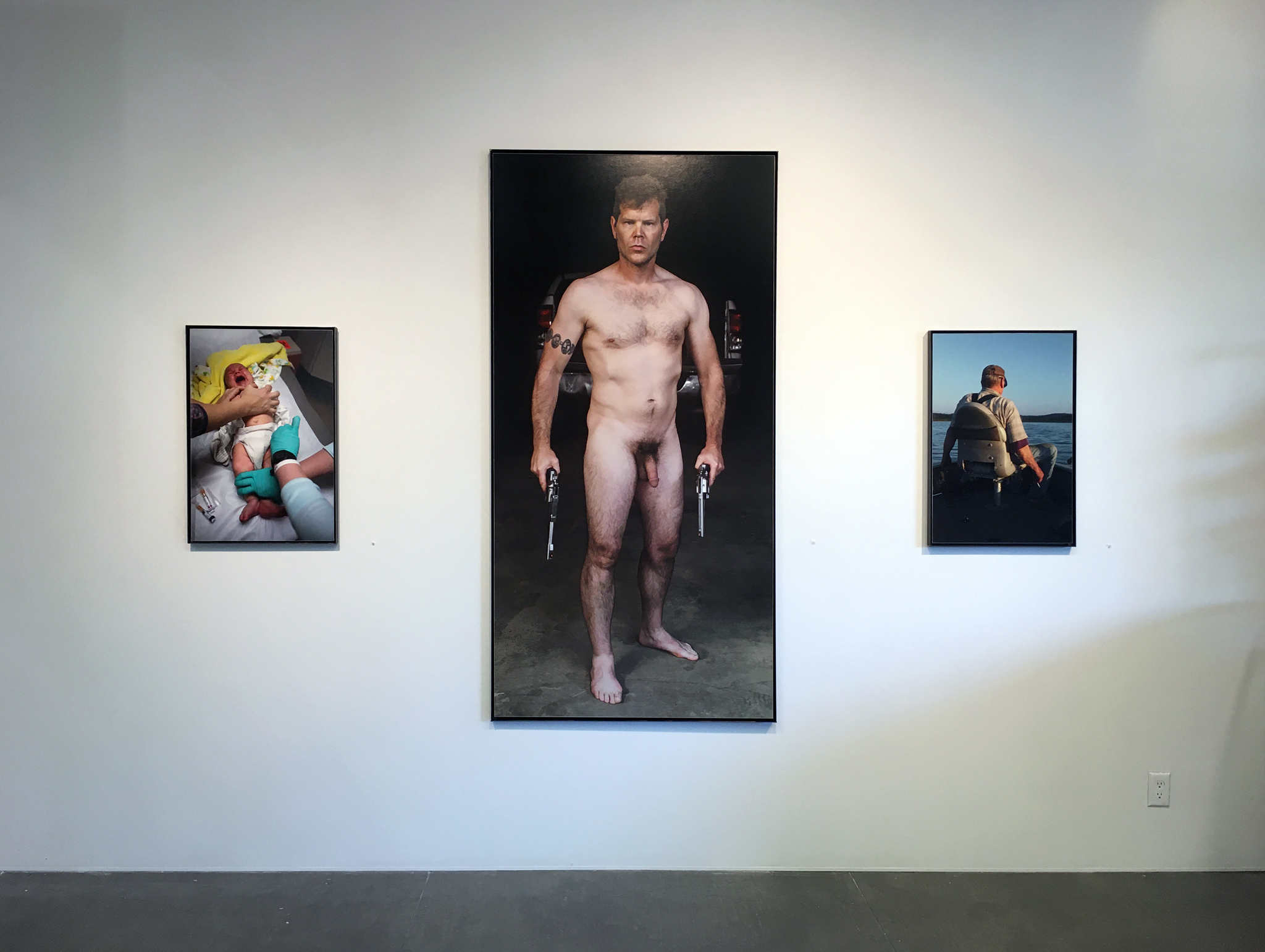
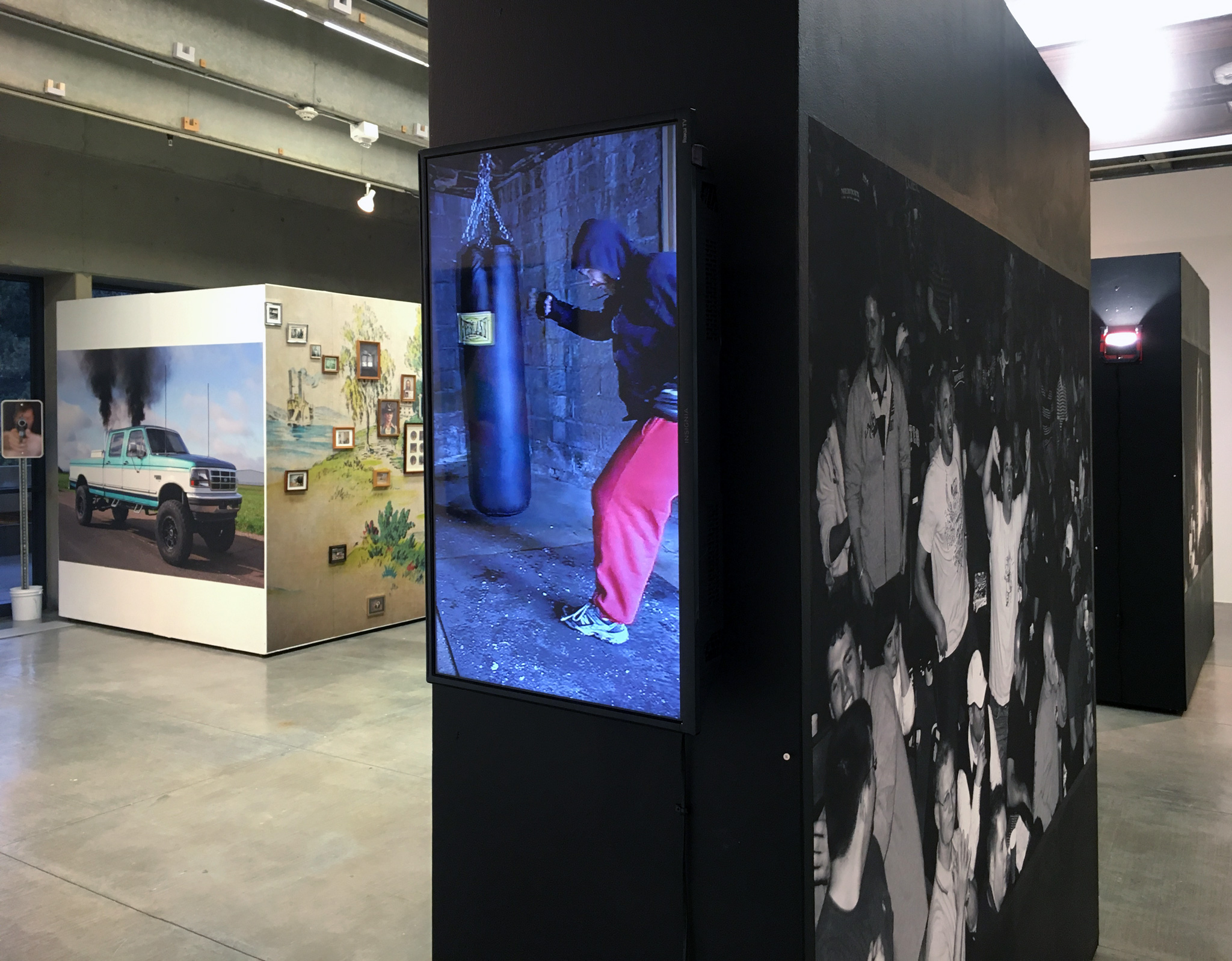
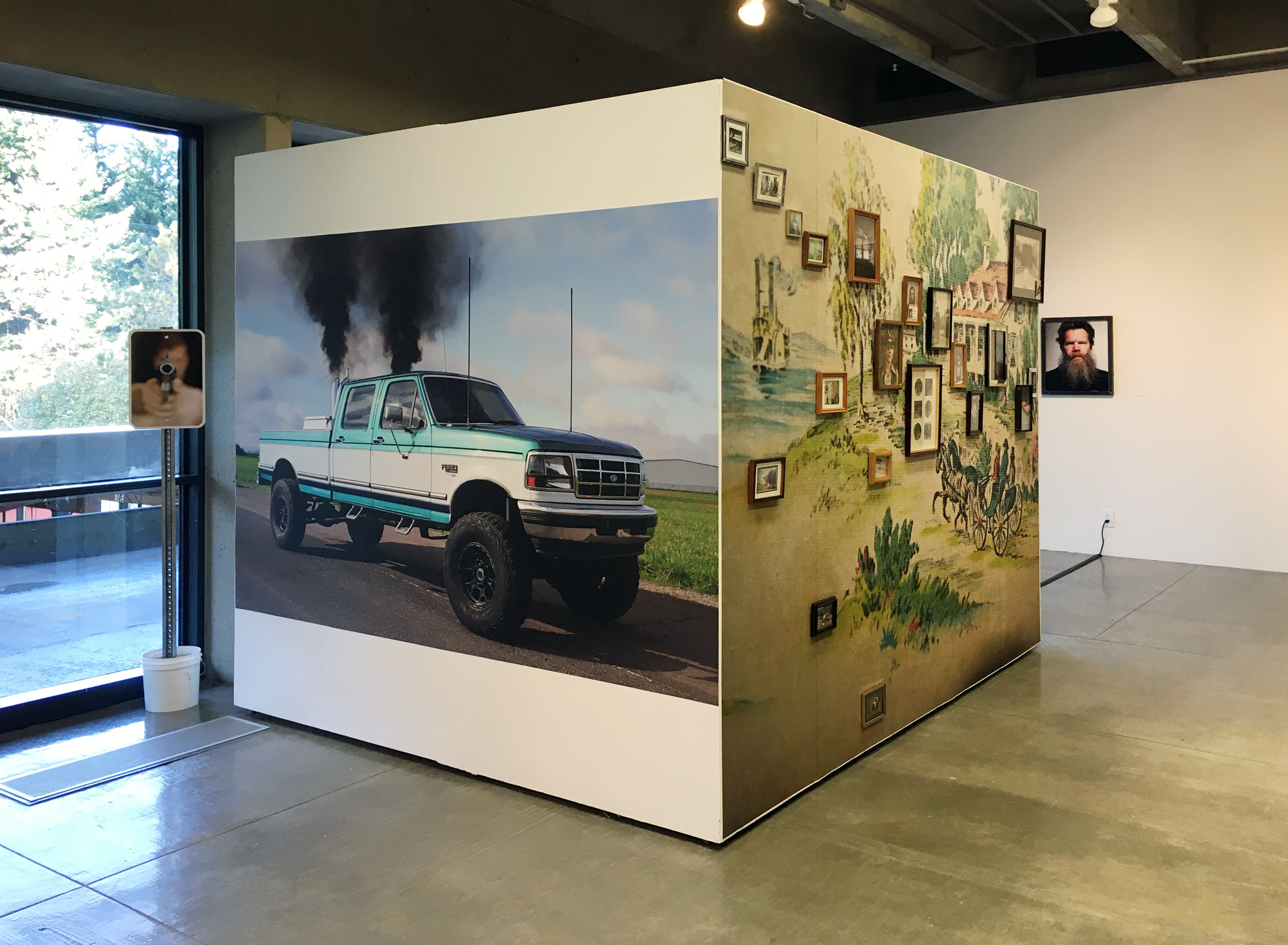
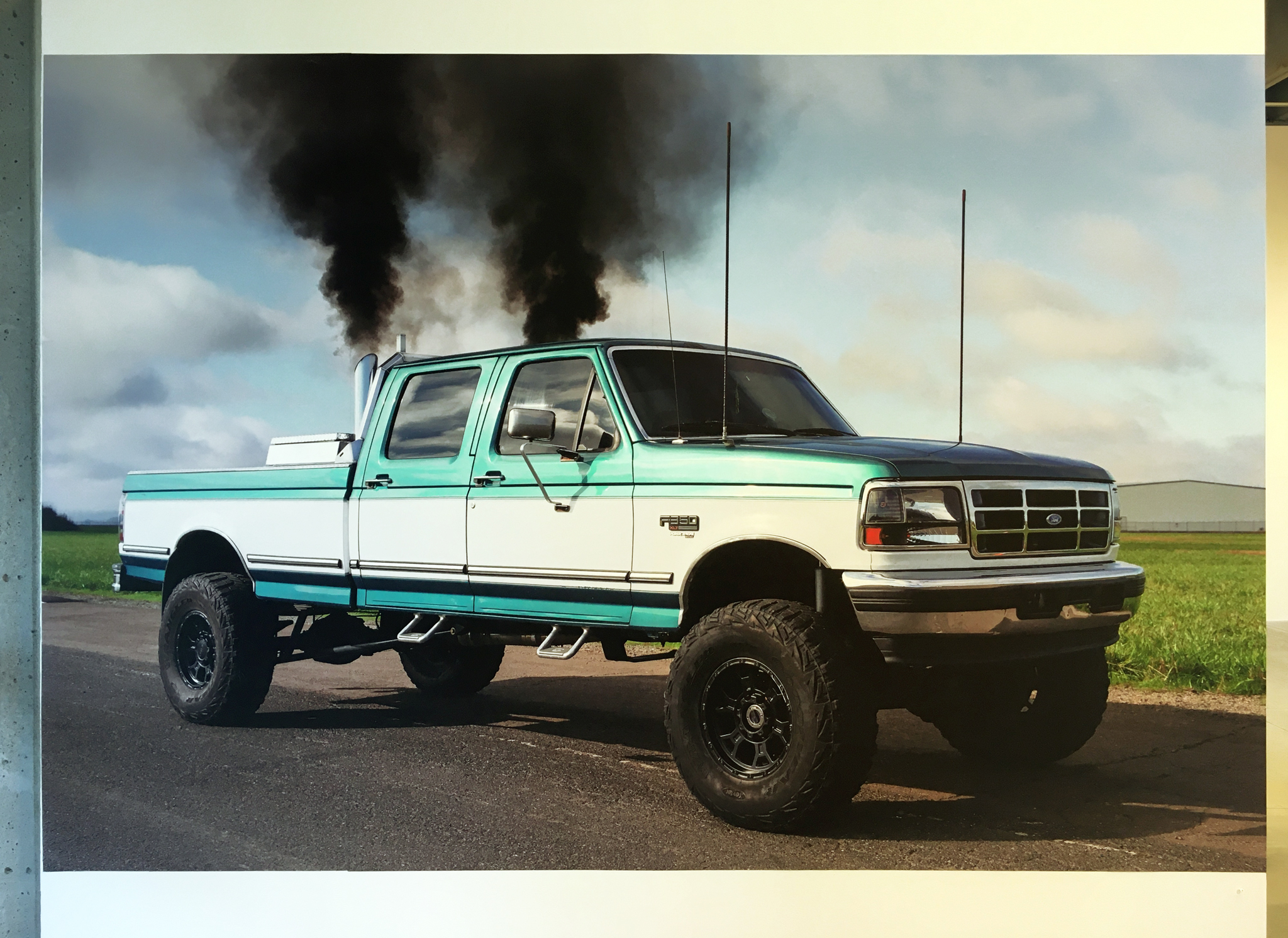
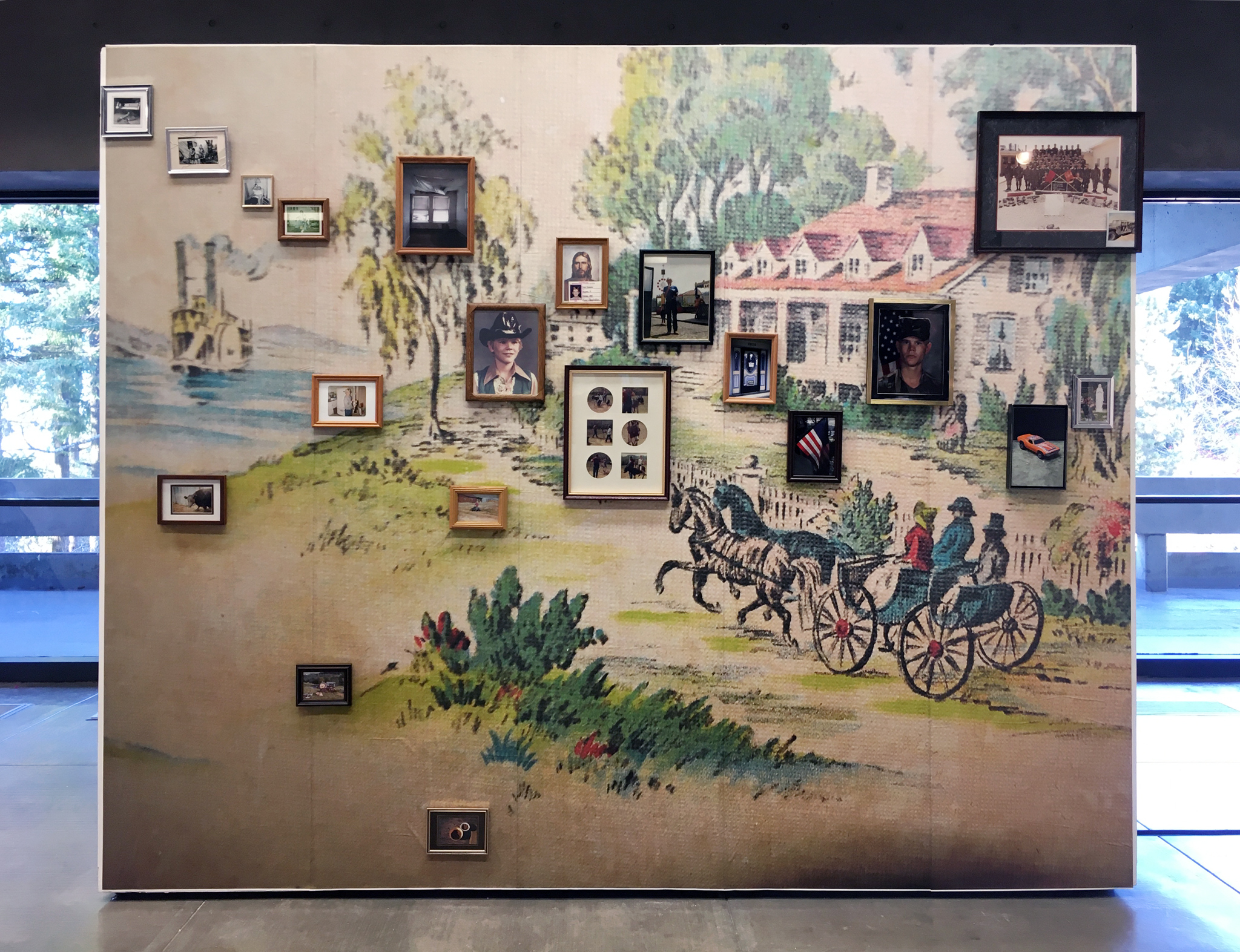
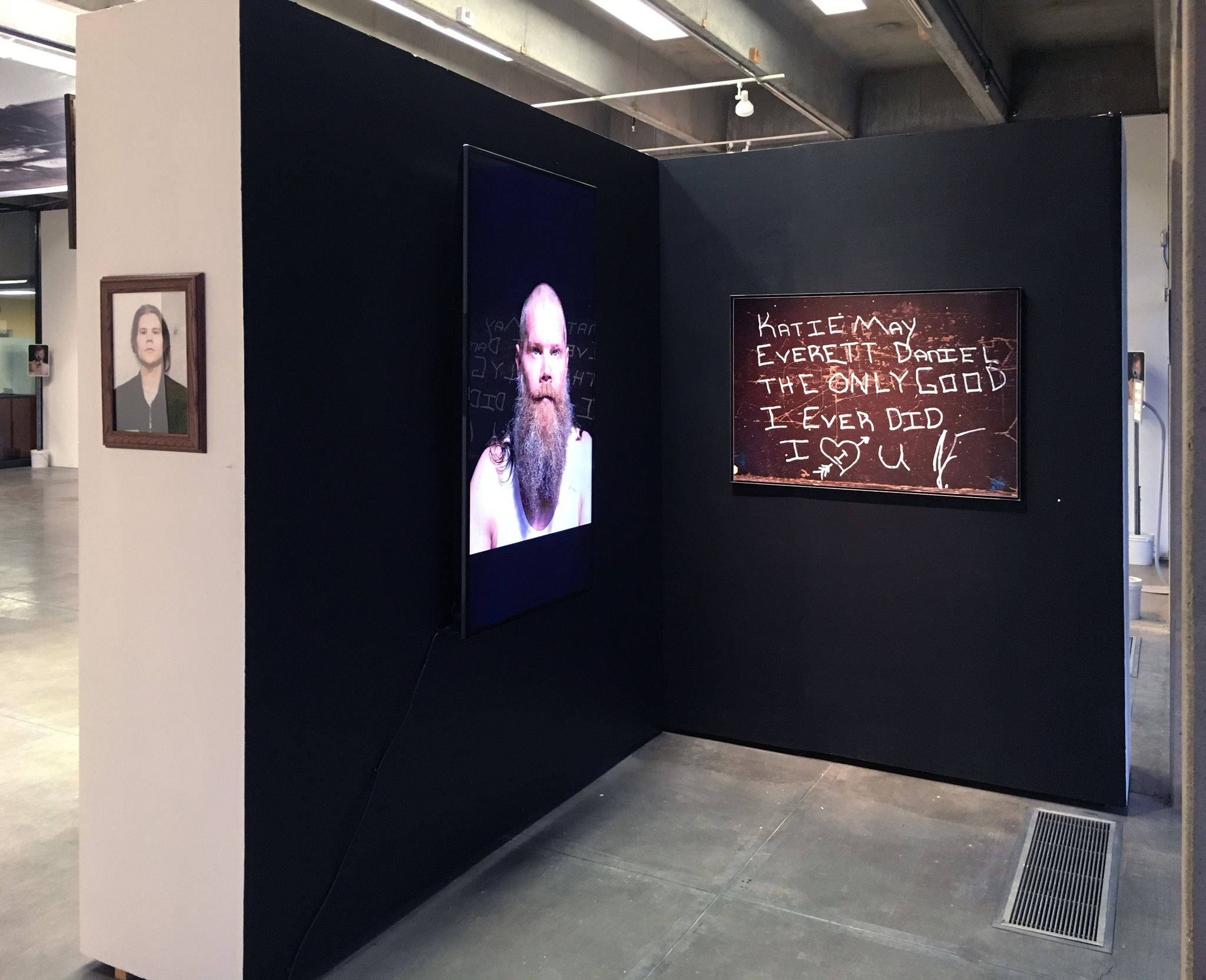
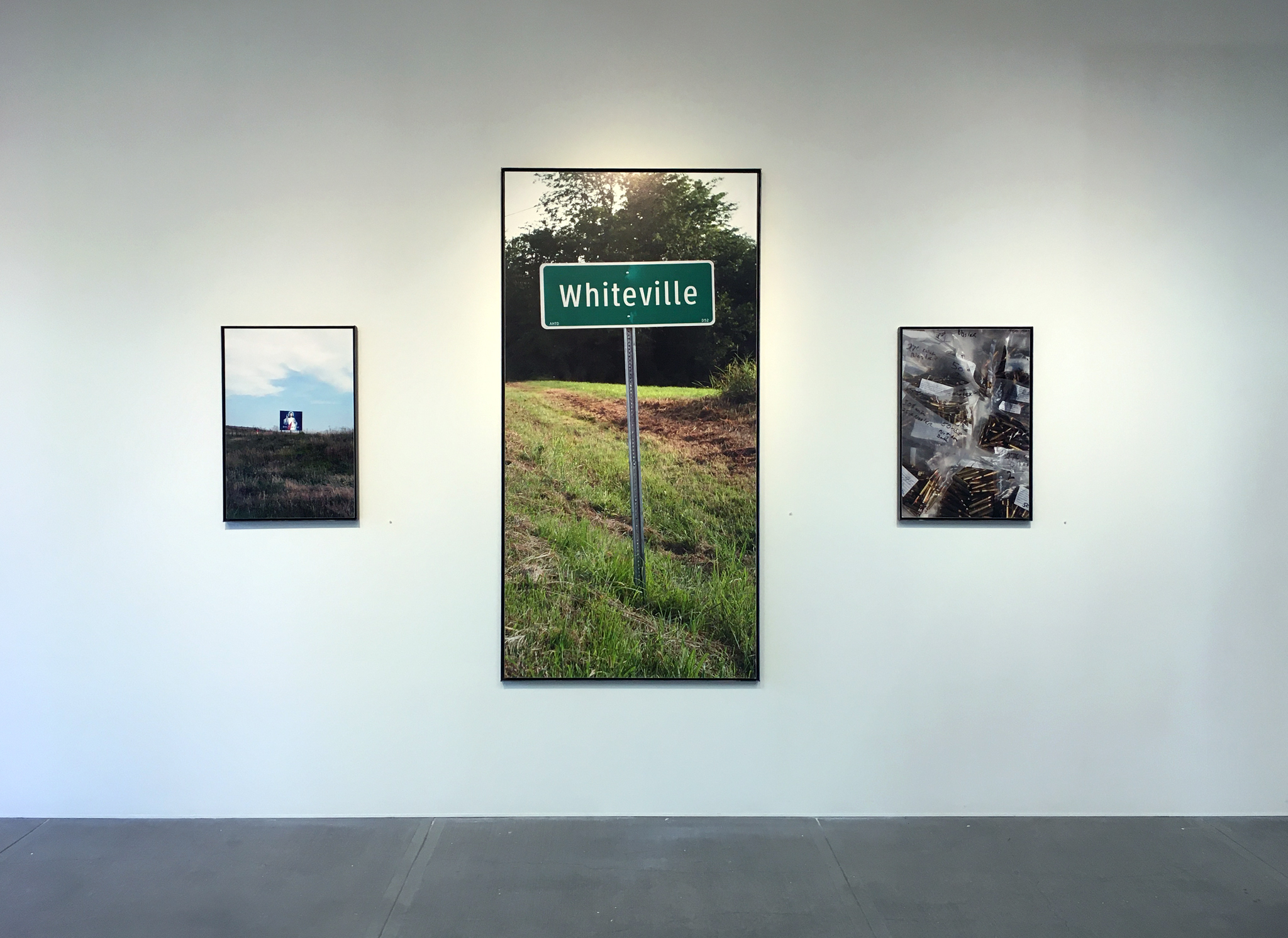
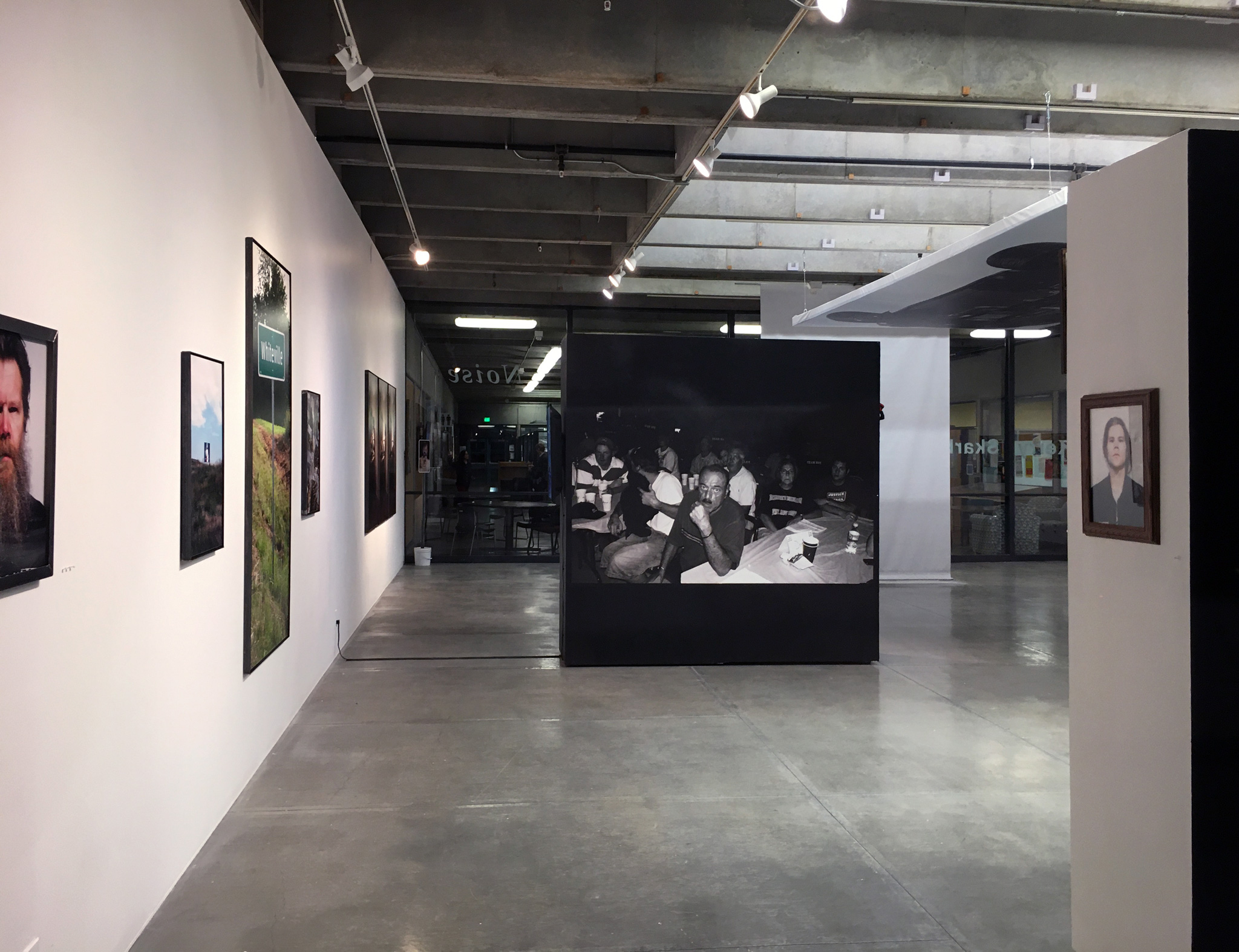
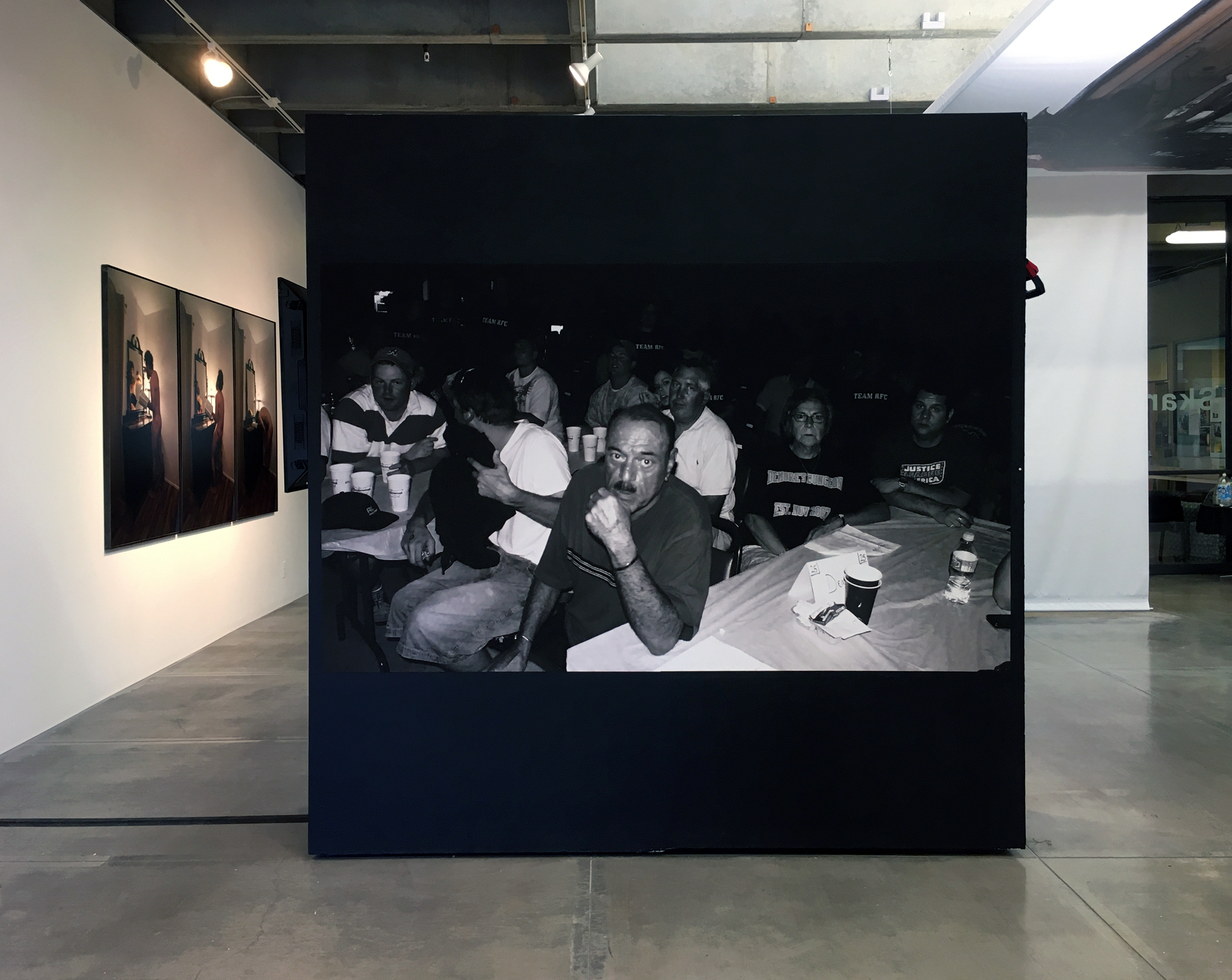
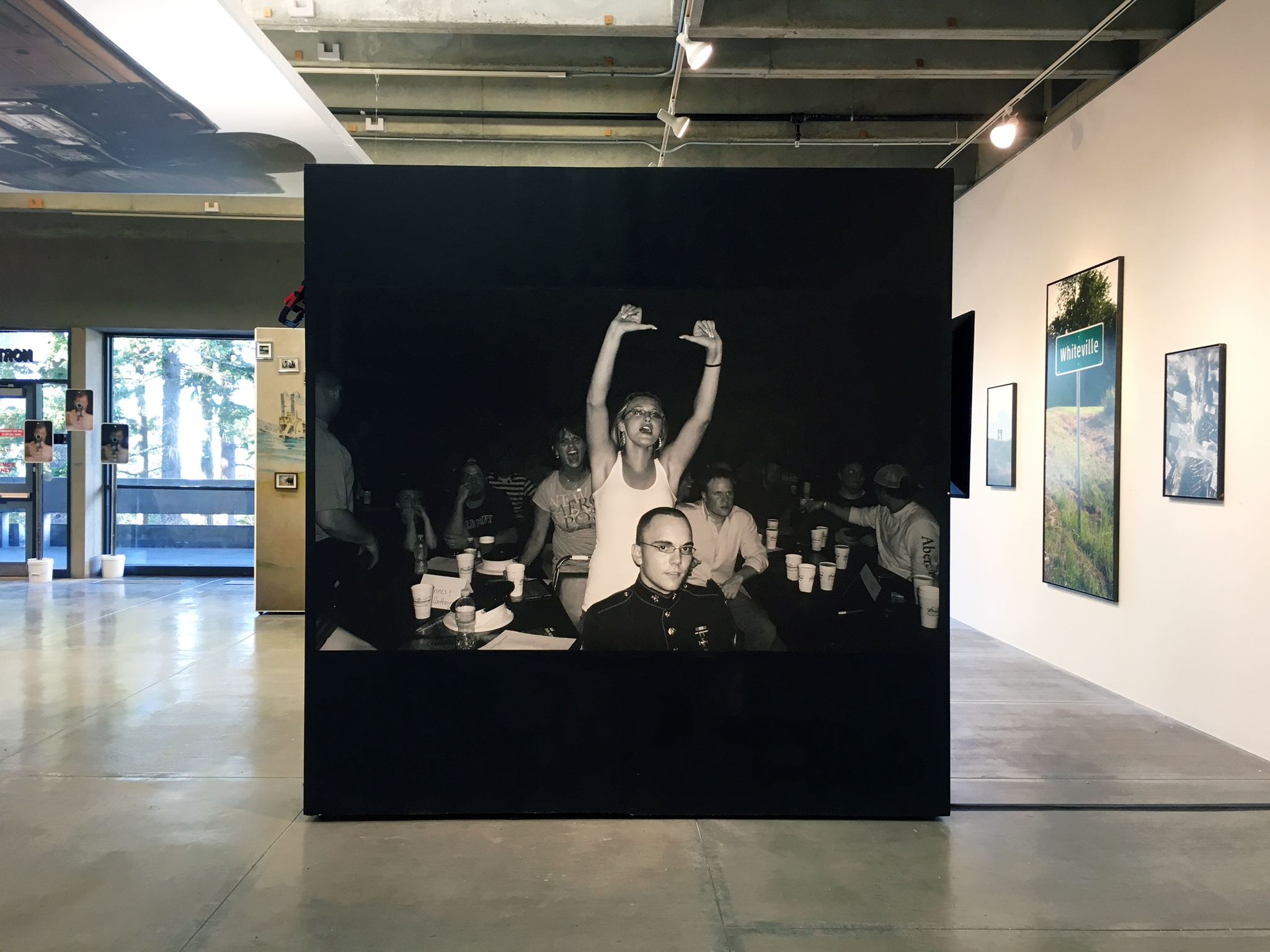
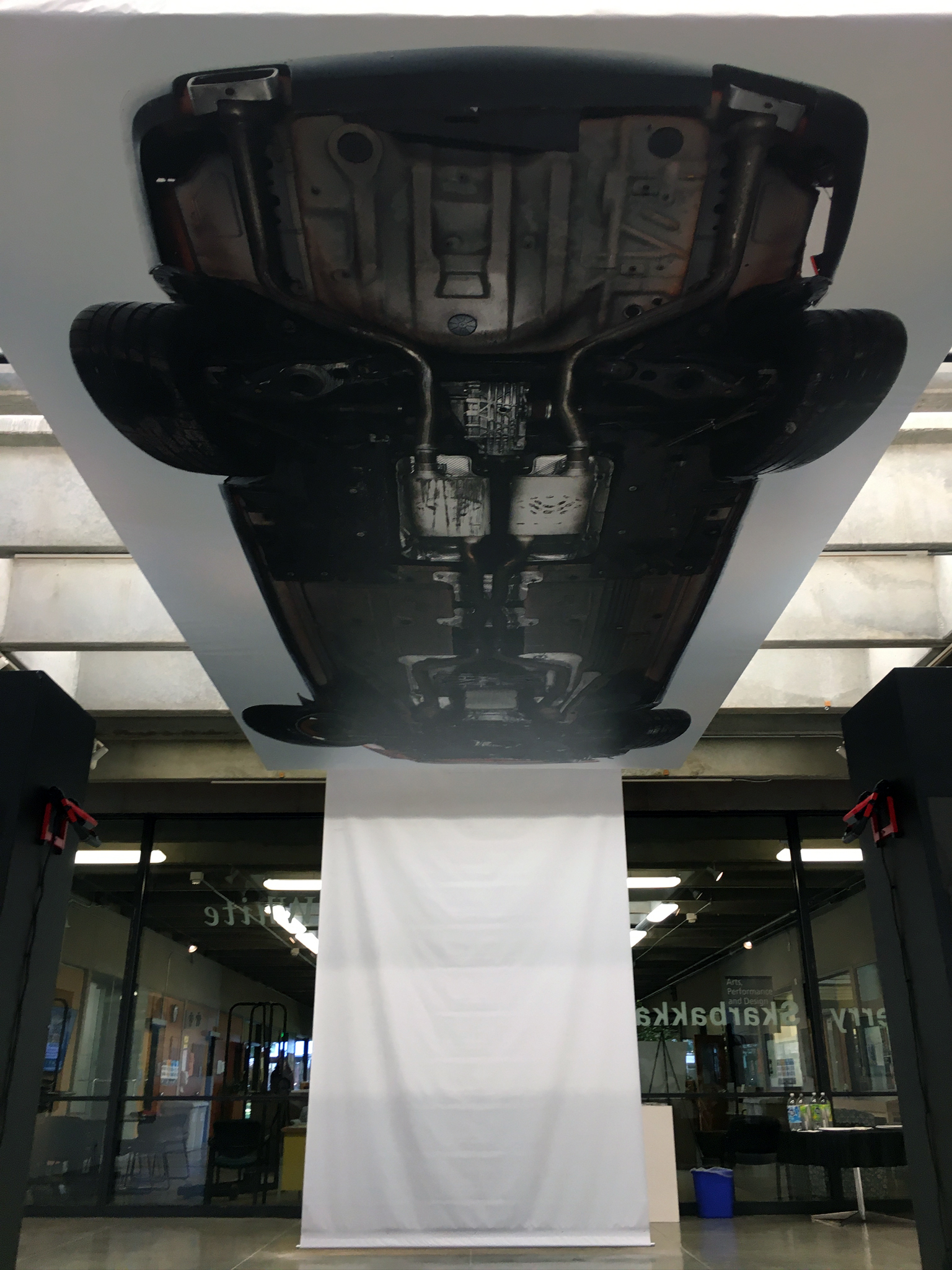
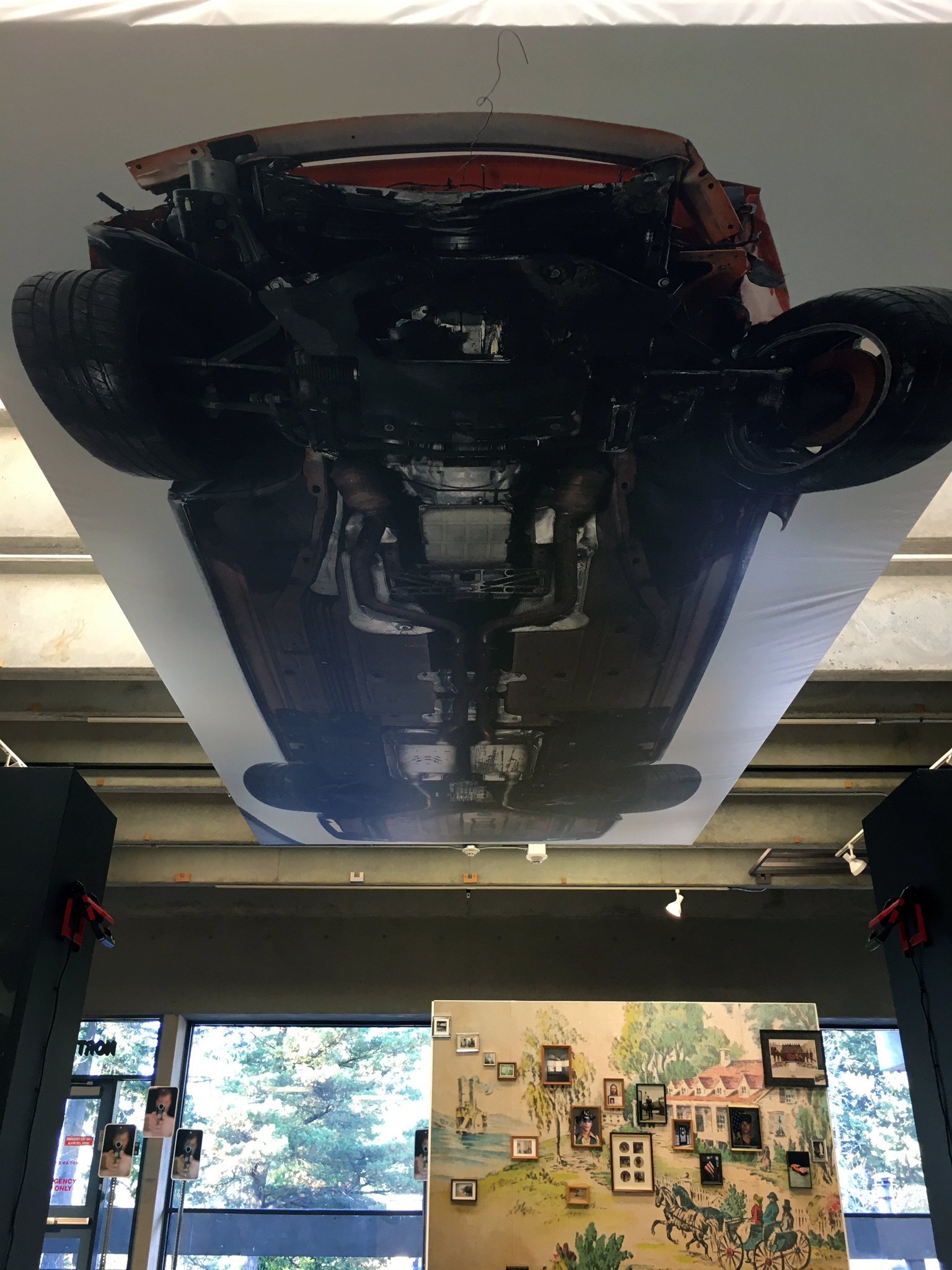
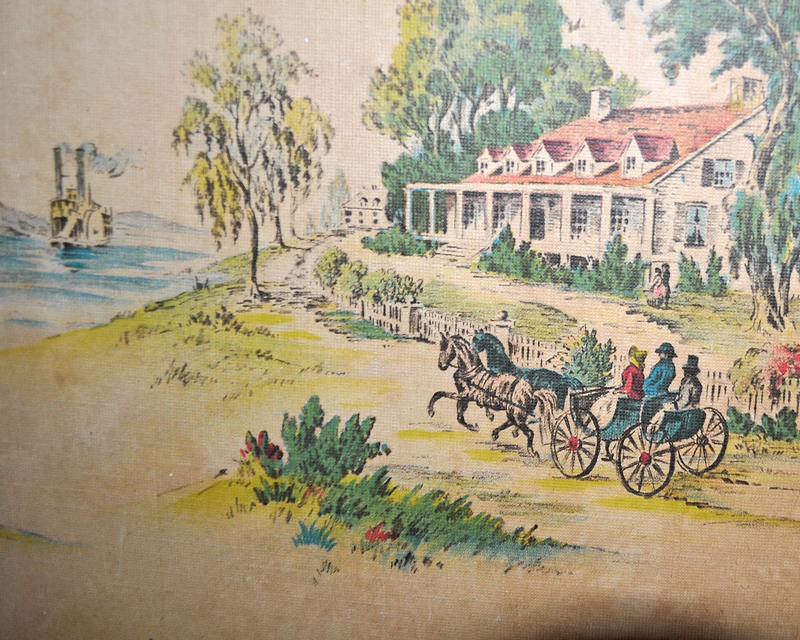
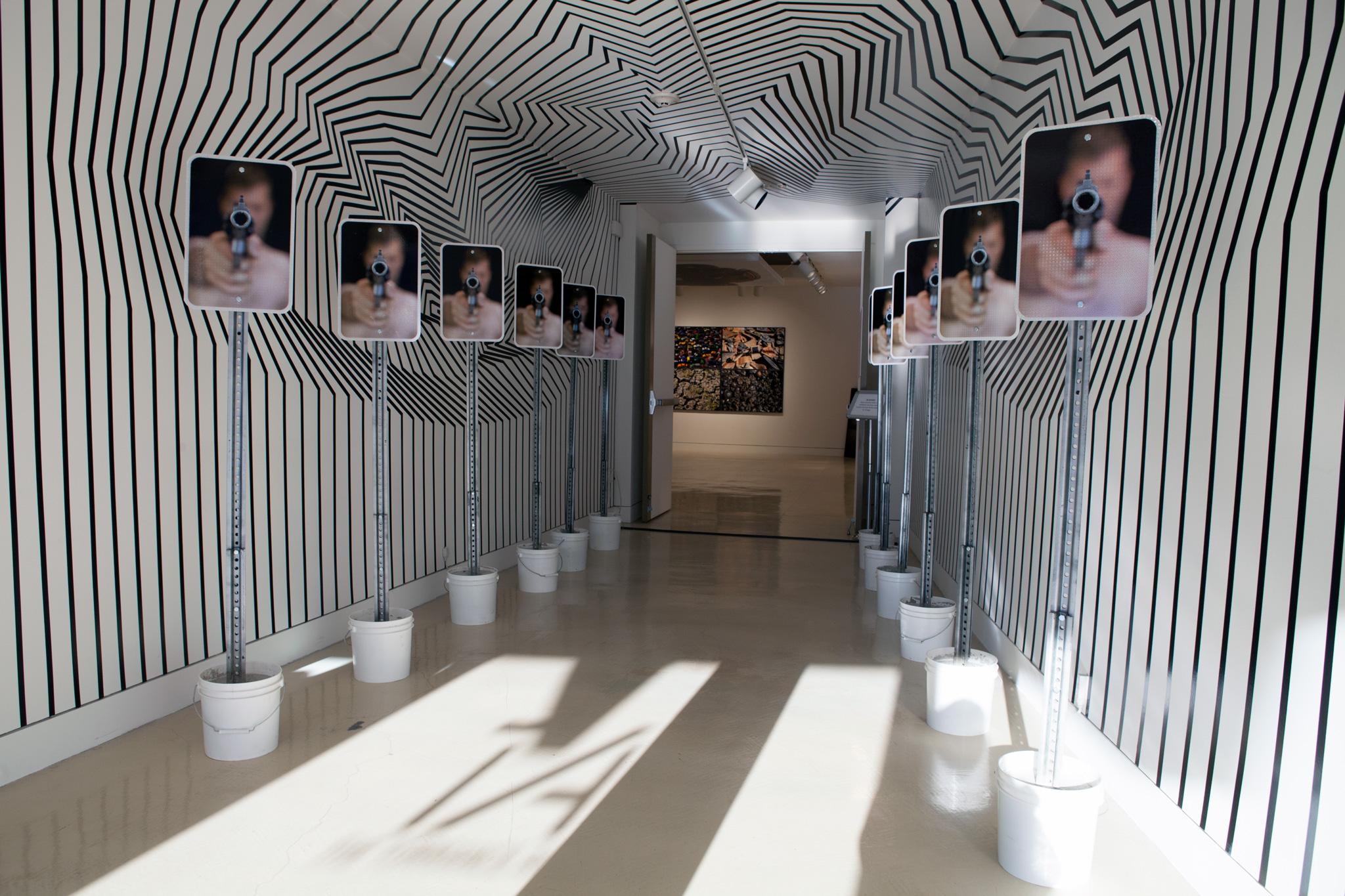
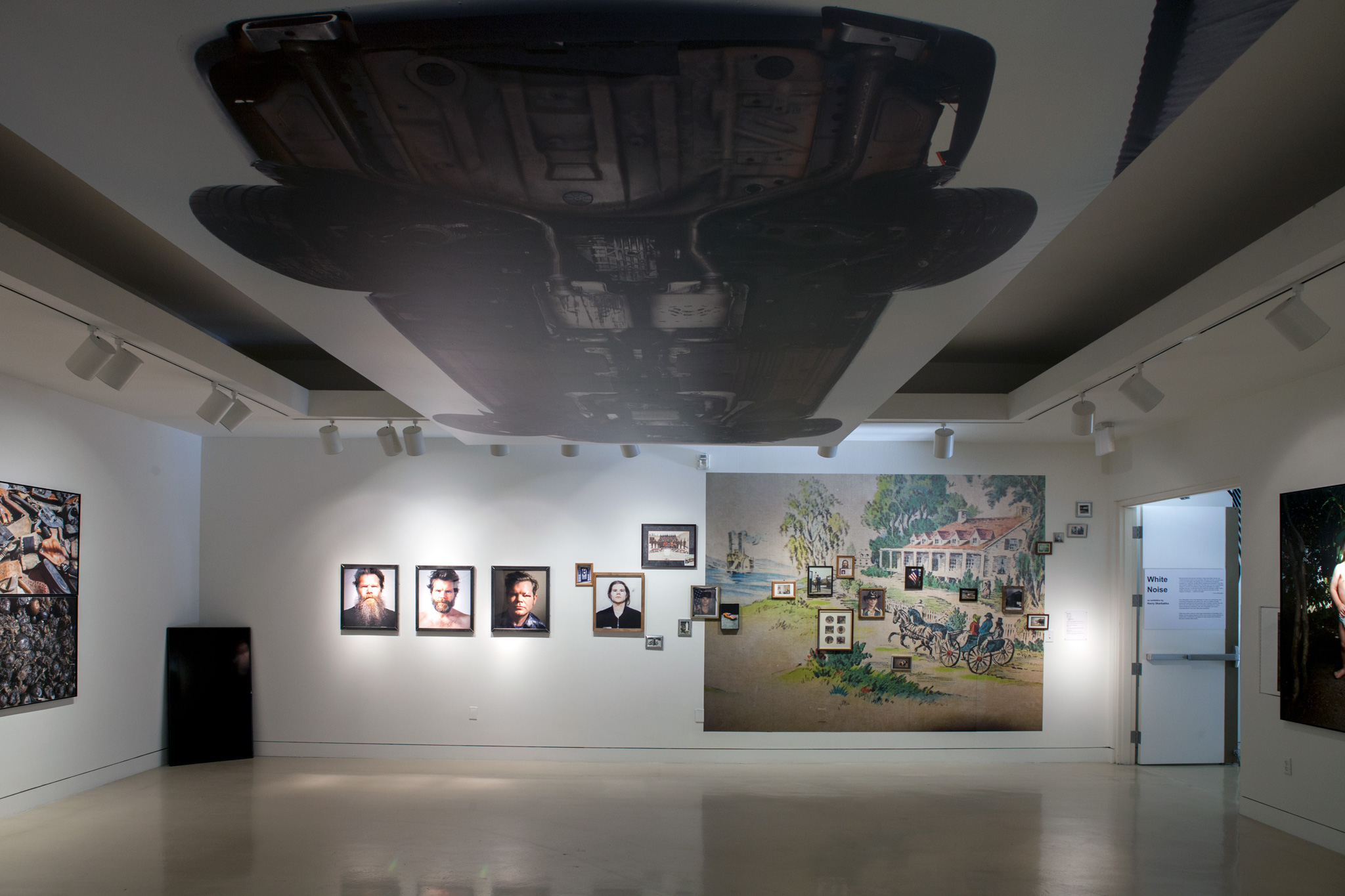
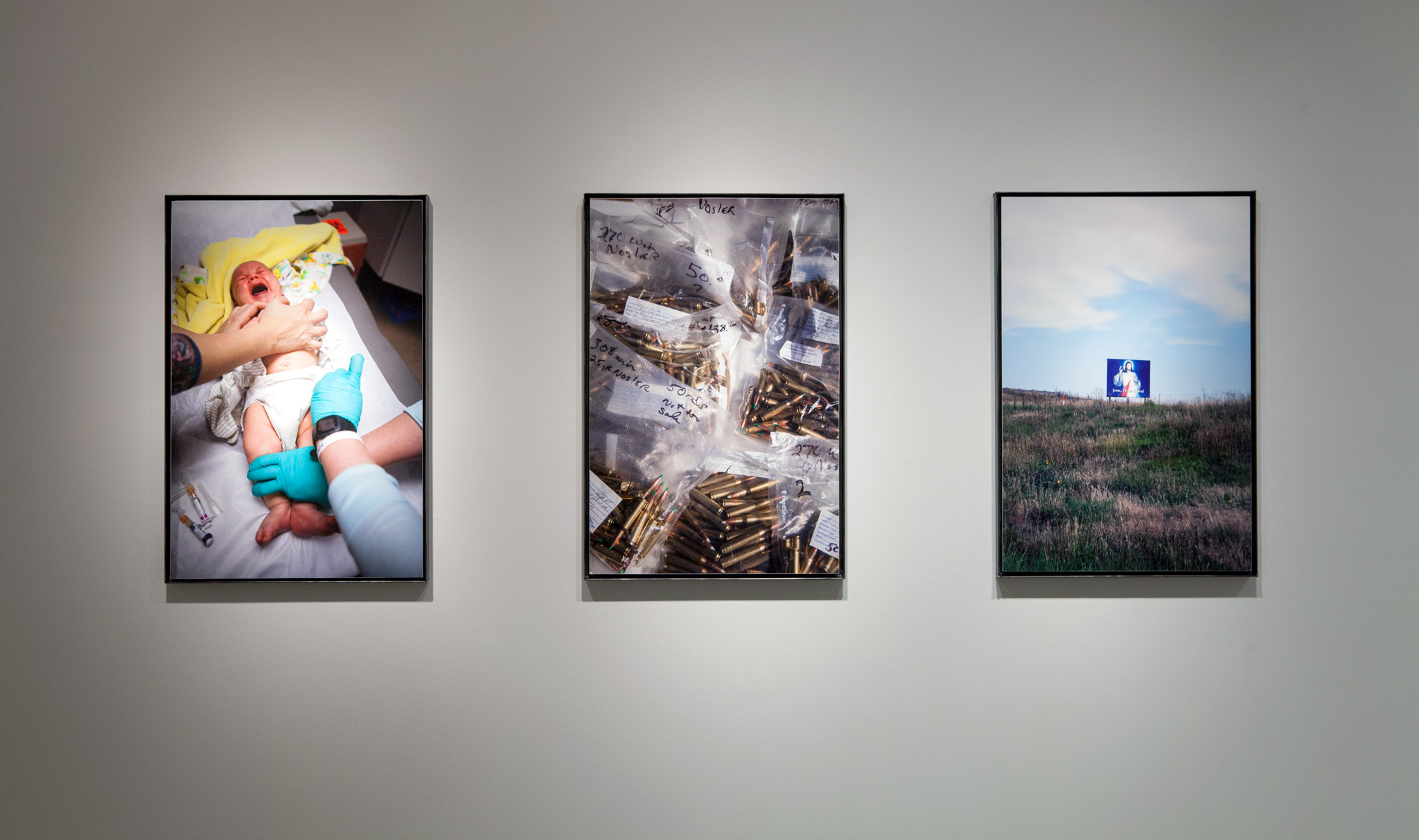
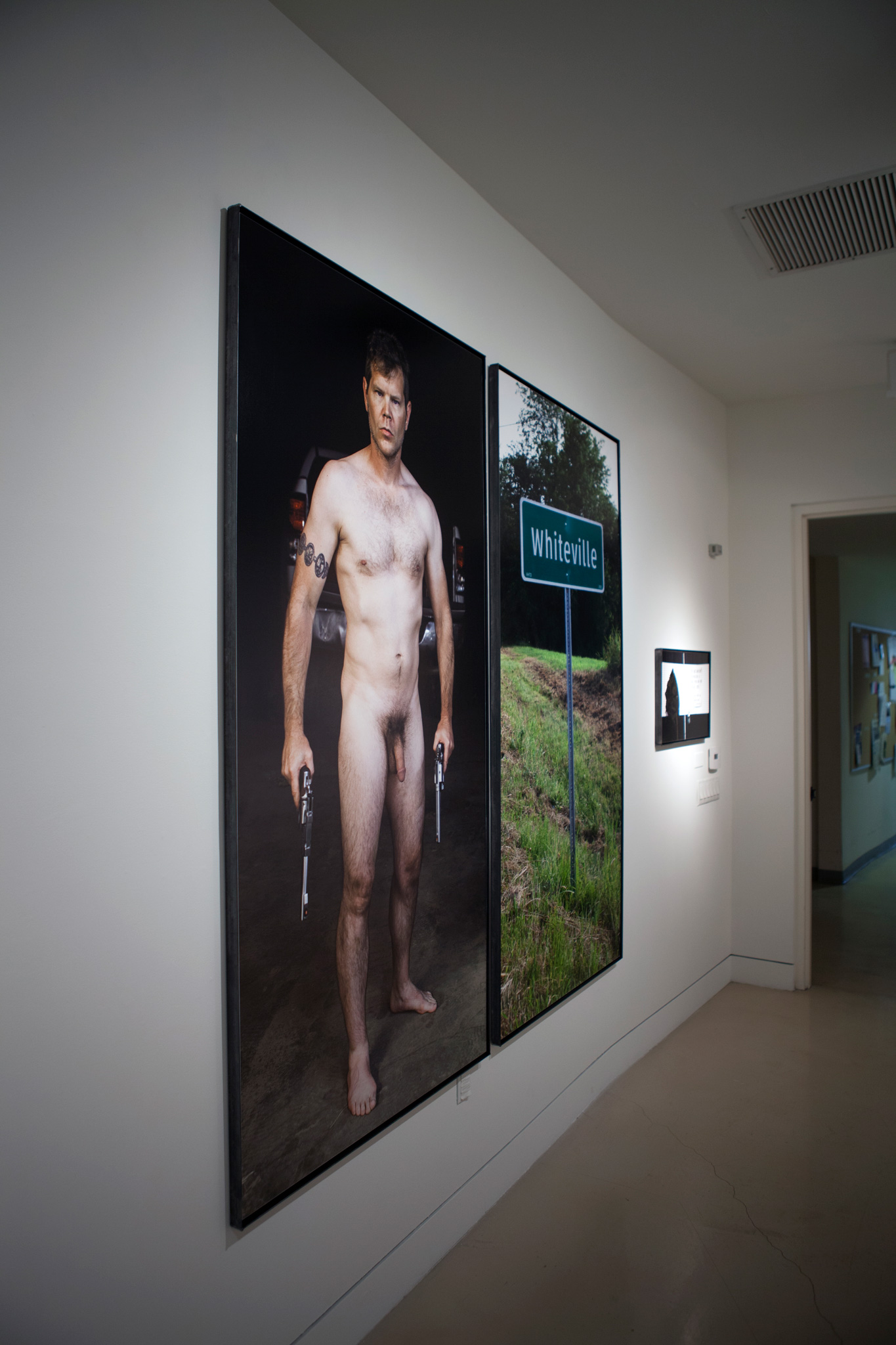
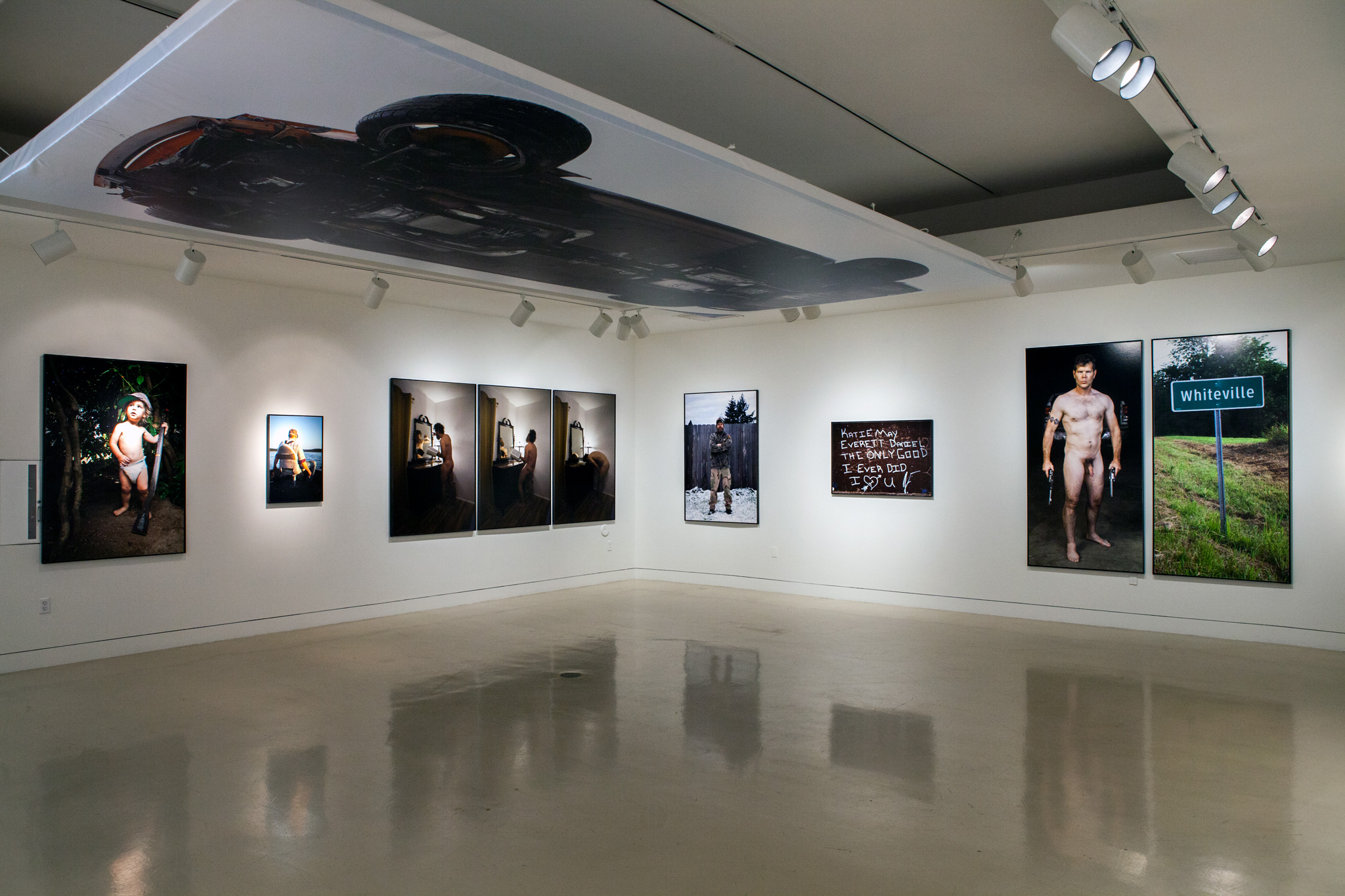
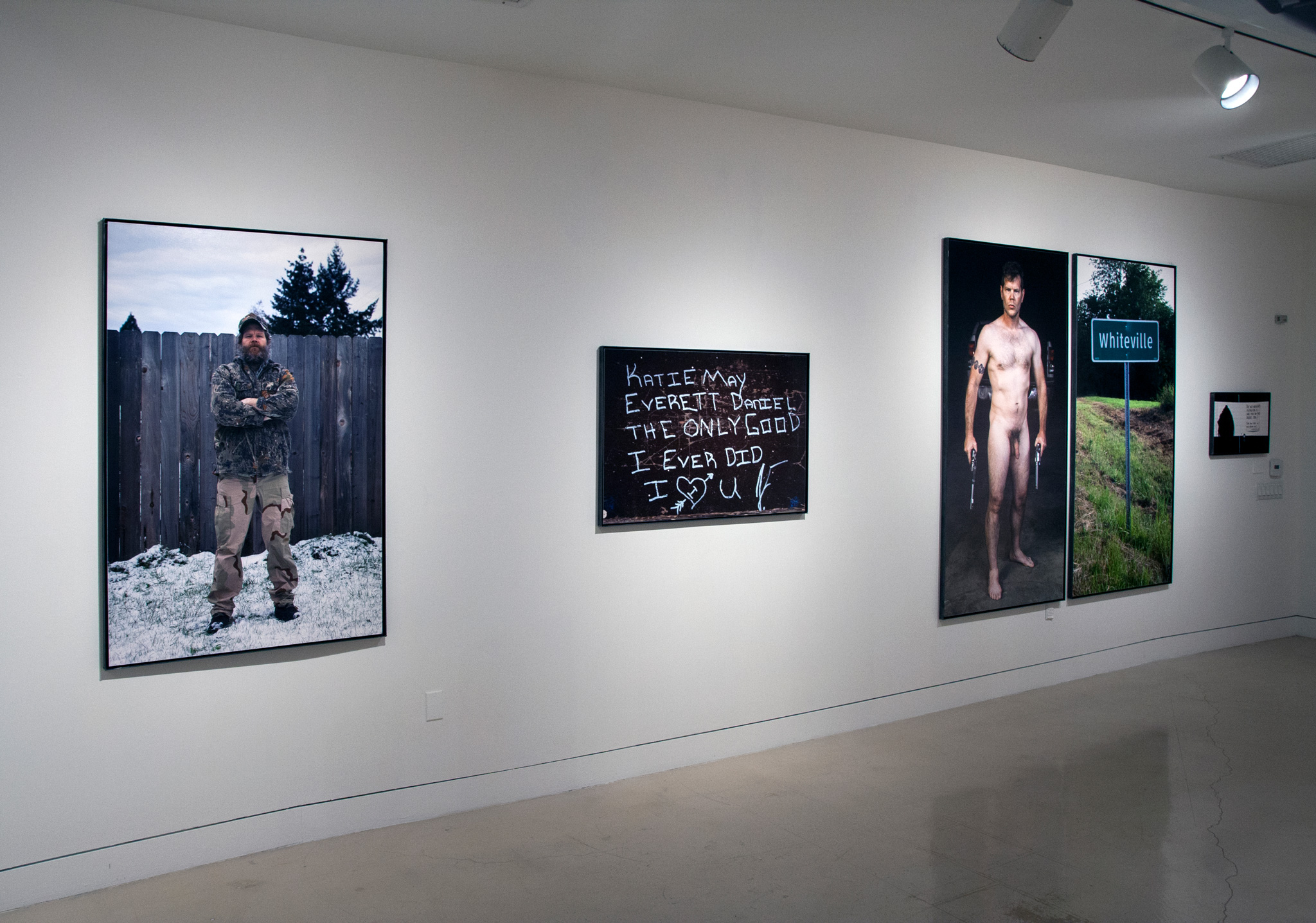
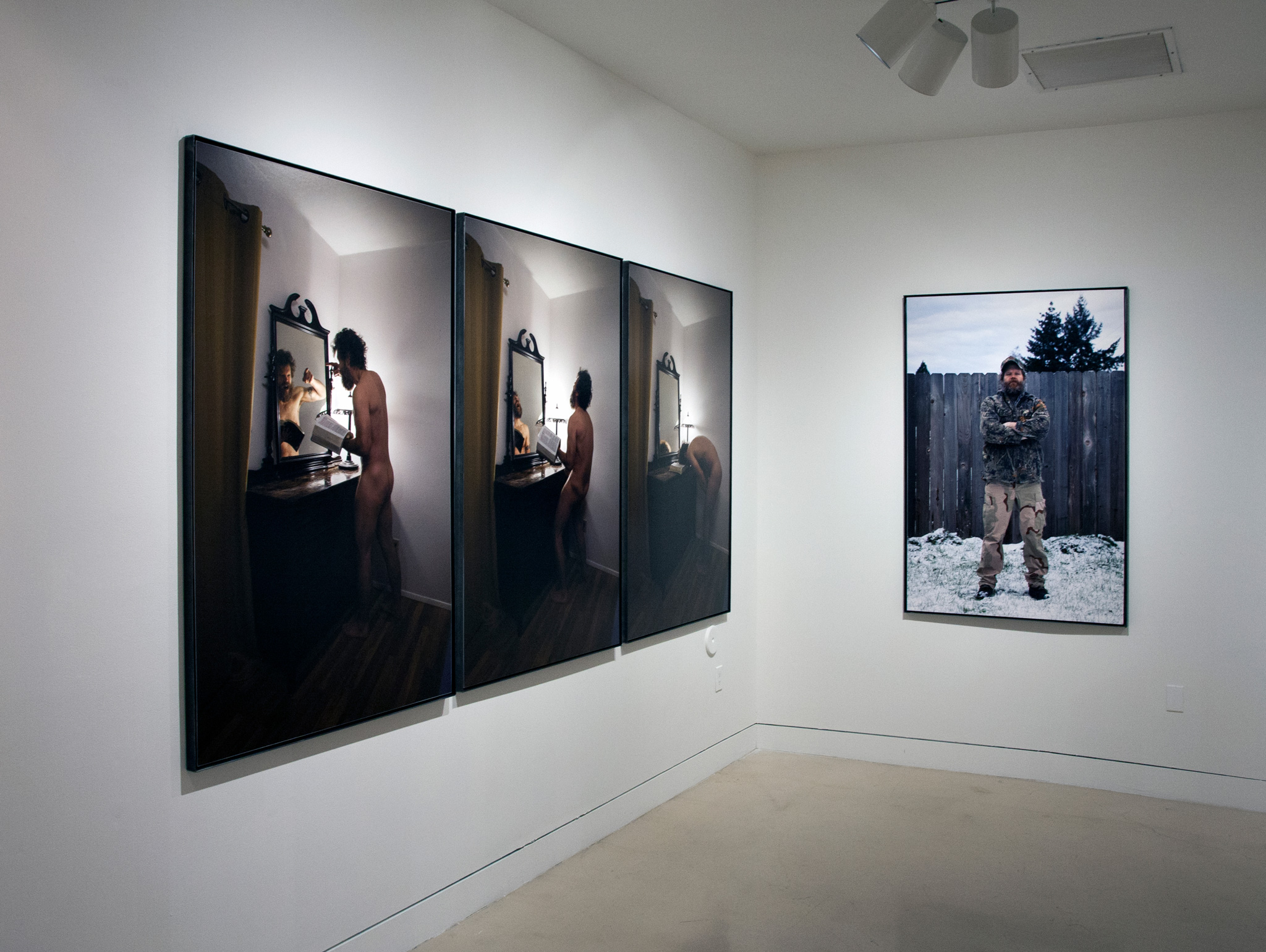
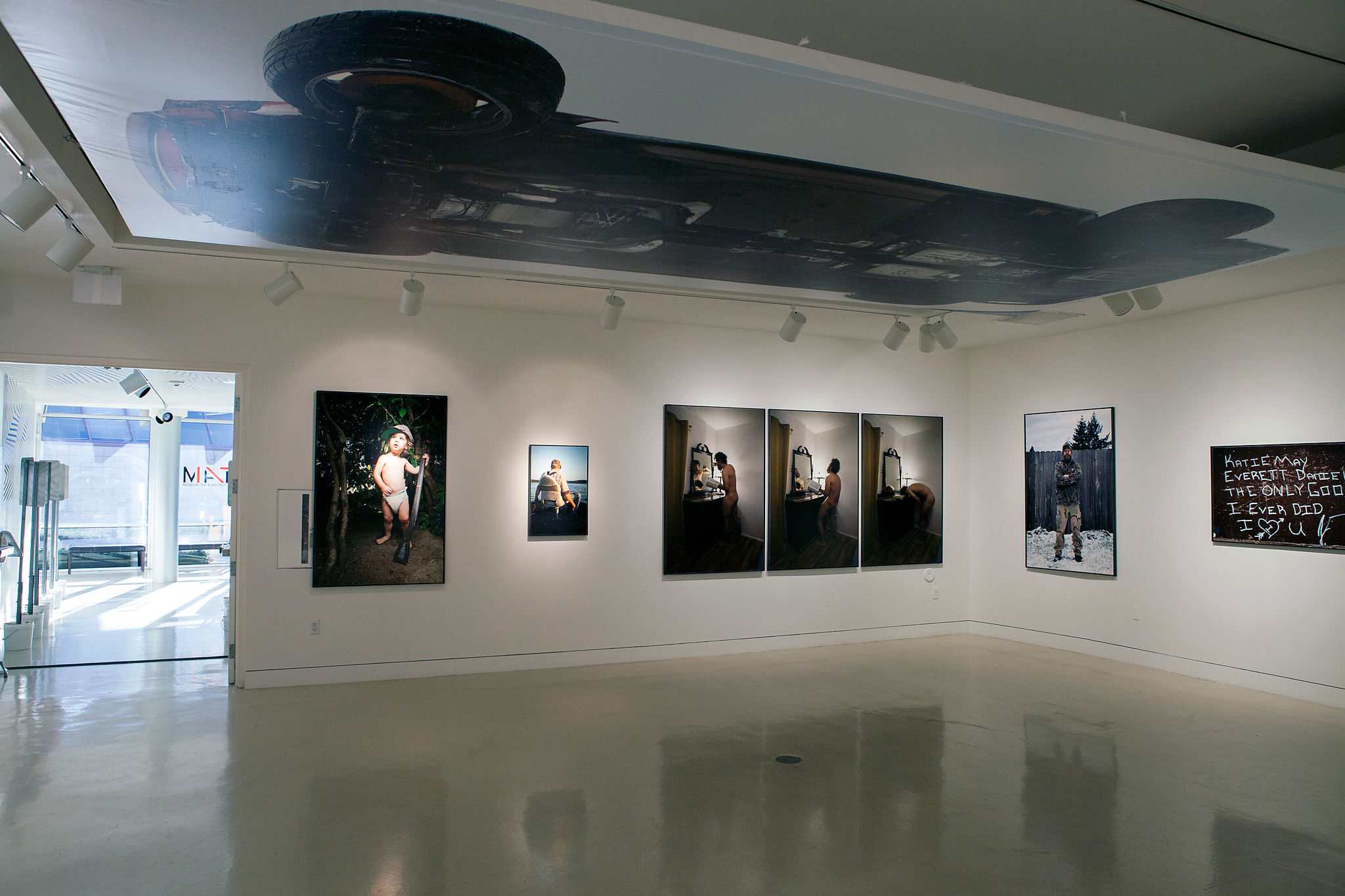
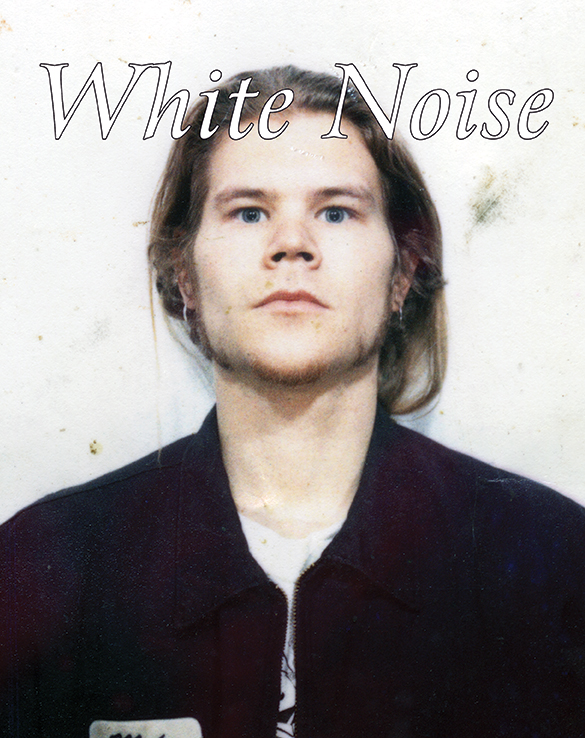
Upset at political correctness, immigration, the loss of jobs and a way of life, angry white men have forcibly reshaped the socio-political landscape. “White Noise” is an ongoing multi-media installation currently comprised of 50+ photographs, videos, and photo-related sculpture thattake aim at toxic white masculinity through a characterization of the downward spiral of a fictional white male. Presenting as both artist and subject, blurring the lines between fact and fiction, the visual narrative follows an alternative version of a life that could have been.
The foundation of this conversation is predicated upon the artist’s story that began with growing up in an authoritarian Evangelical household on a small farm outside Pulaski, Tennessee (the birthplace of the KKK) and eventually enlisting in the US Army. The catalyst for such an exploration is revealed by a more relevant concern for his son’s future, combined with the crisis of masculinity and the discord emanating from certain white male communities. Over the years, the artist has put in a painstaking amount of work into overcoming his conservative upbringing and religious encoding. However, another reality could have emerged, another portrait; that of an angry white
man, driven by the tenets of hate, misogyny and bigotry. Through role play and extended performance, the artist uses his personal experience and becomes this object of his fears.
Within the overarching discussion, various aspects of toxic masculinity and its impact are addressed and built upon. Some of these have been present in the artist’s practice for over 20 years and are necessary set up precedent. Contemporary context is mined from everything from anti-government factions, prepper-culture, tribalism, and religion to NAFTA, replacement theory, petro-masculinity and the “othering” of the environment. The historical framework follows the origins of Southern Colonialism to its connection to the idea and belief of Manifest Destiny in the Westward Expansion. And stemming from the artist’s residence in the Pacific Northwest, the effects of geography offer other clues to how (white) men are encouraged to live and behave.
“White Noise” is a critique of a frail yet dangerous white male culture by a non-angry white male artist in a time when it is needed most. Ultimately, this work is understood as an admission of bias, privilege, and systemic racism. It addresses the complexities of nature vs. nurture and the certain forms of destructive messaging and deep-seated cultural influences that aid in creating white toxicity. By design, the project rides the fine line between interpretation and perspective during a time when nationalism and religious extremism are on the rise globally. As a representative of the problem, it is the artist’s intent is to seek answers, build bridges, and work to contribute to a solution.
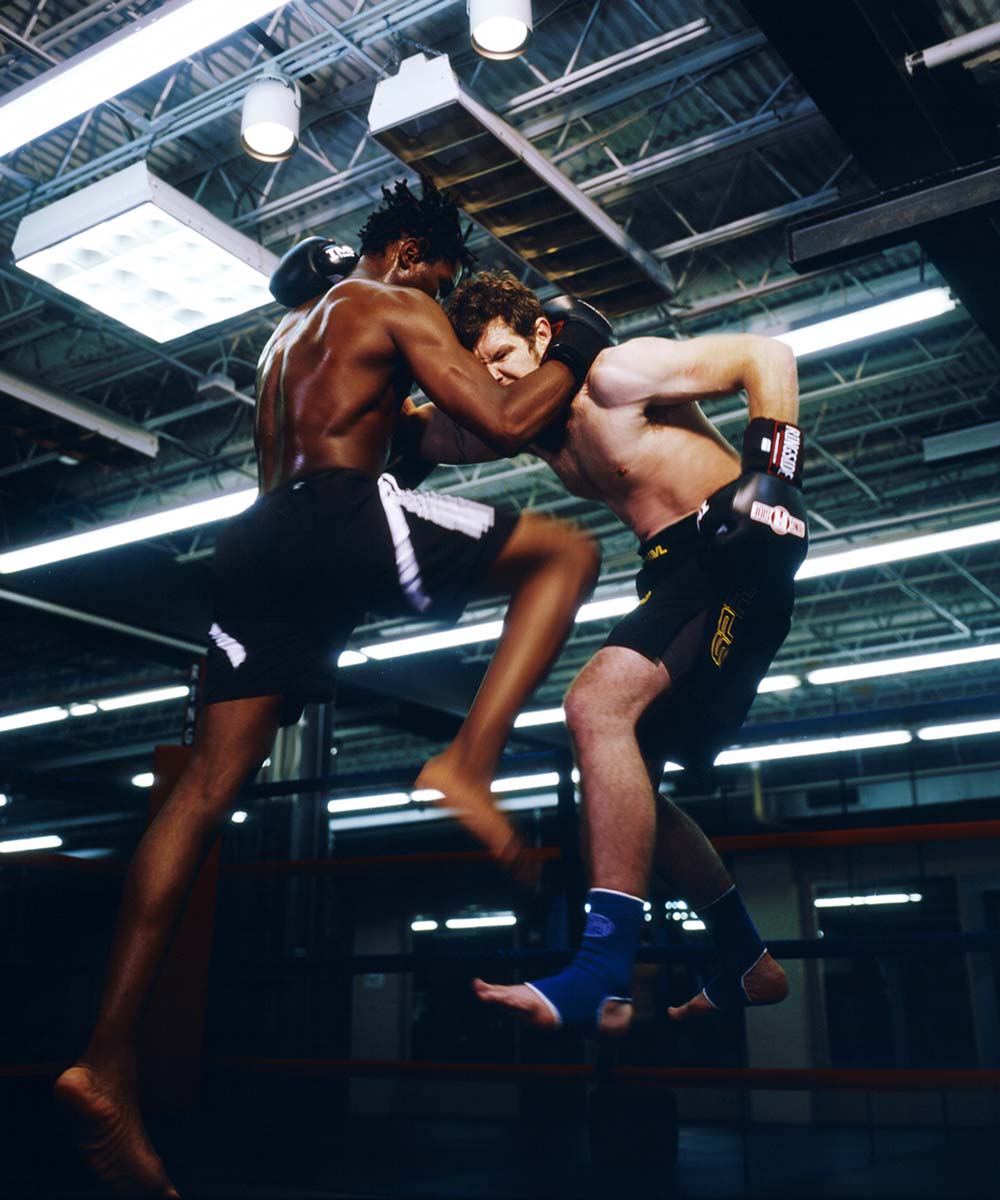
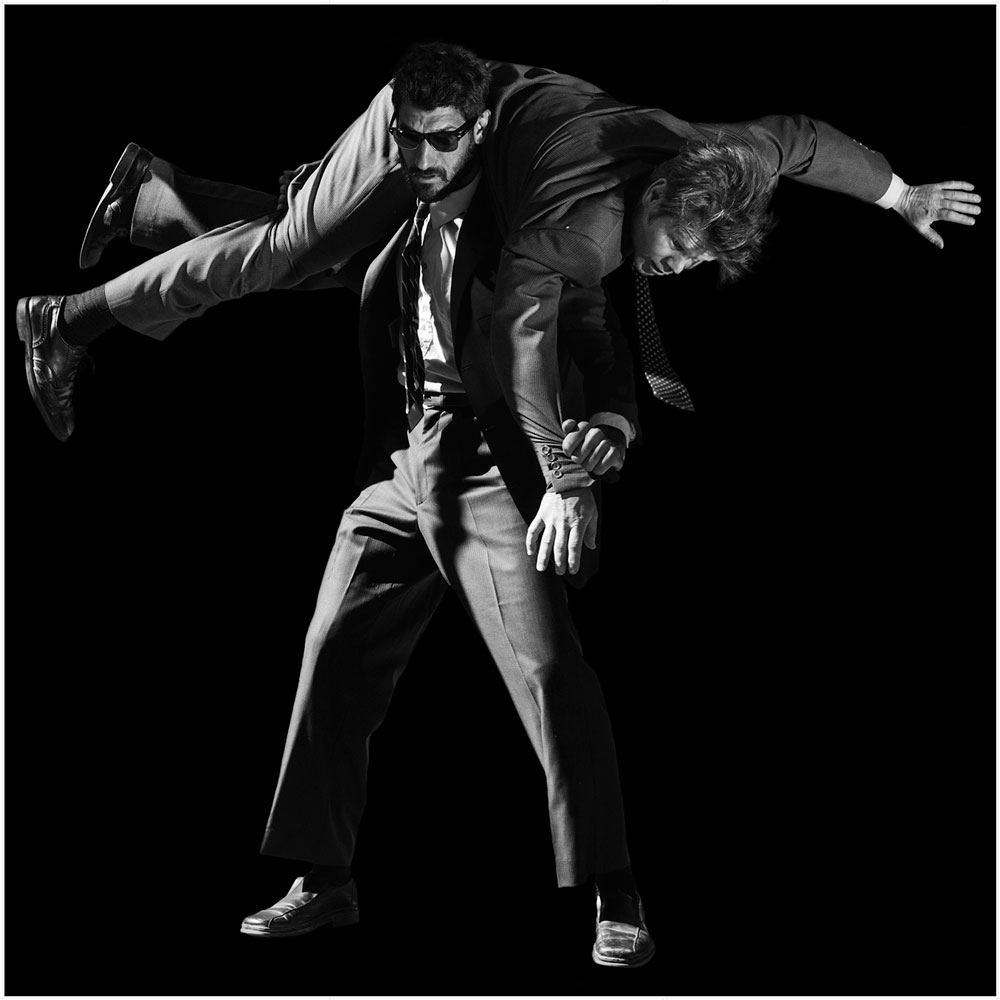
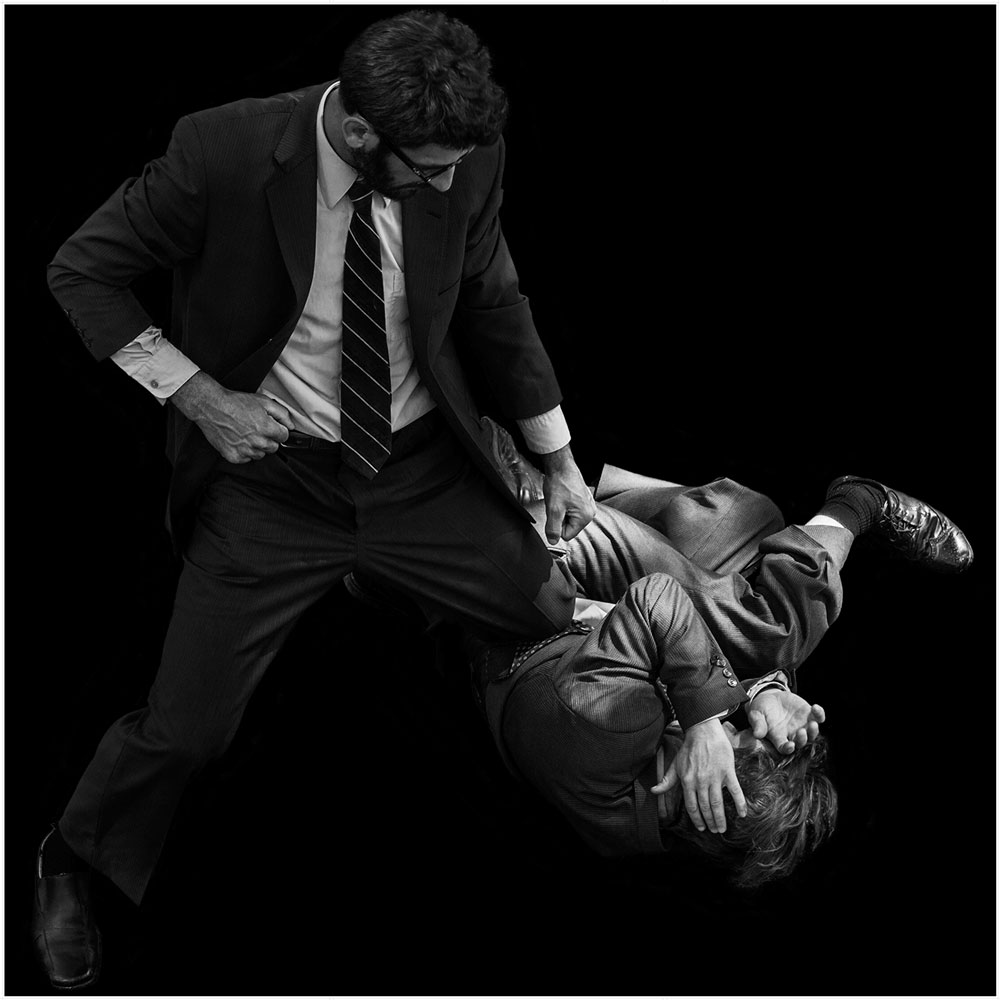
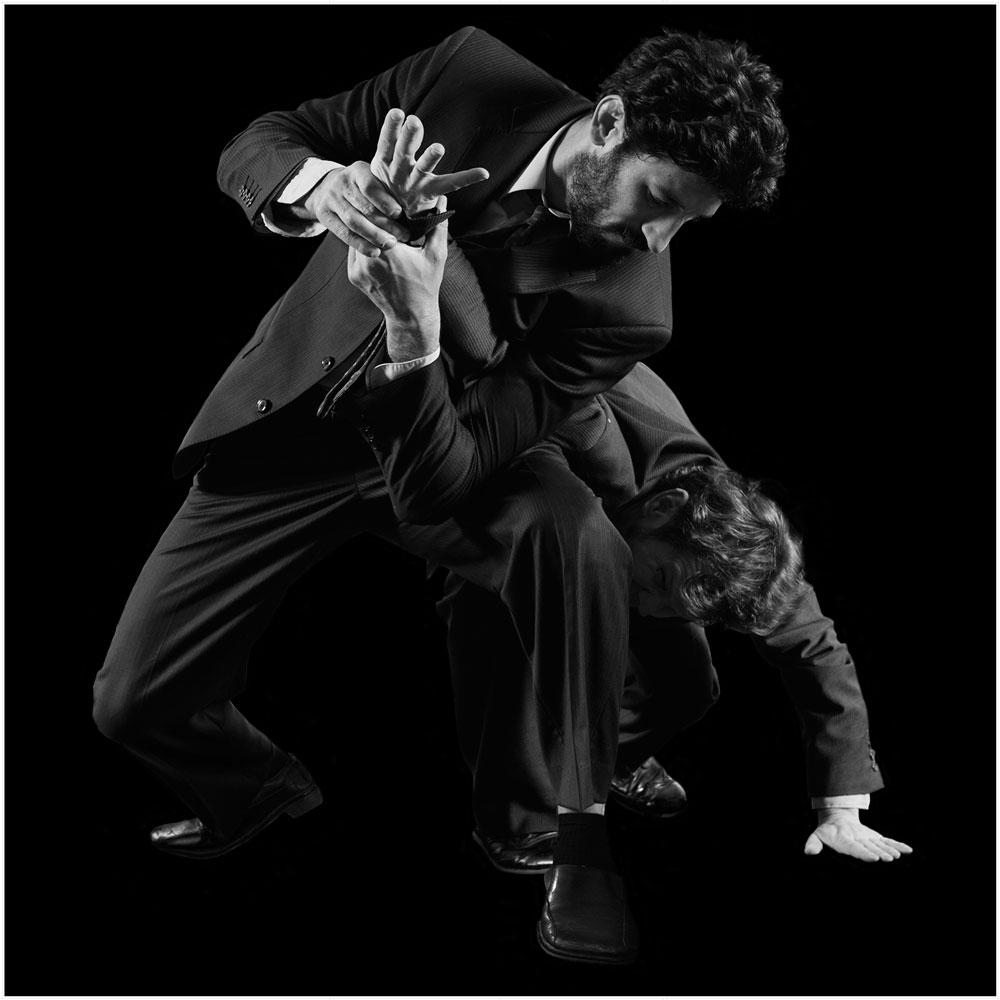
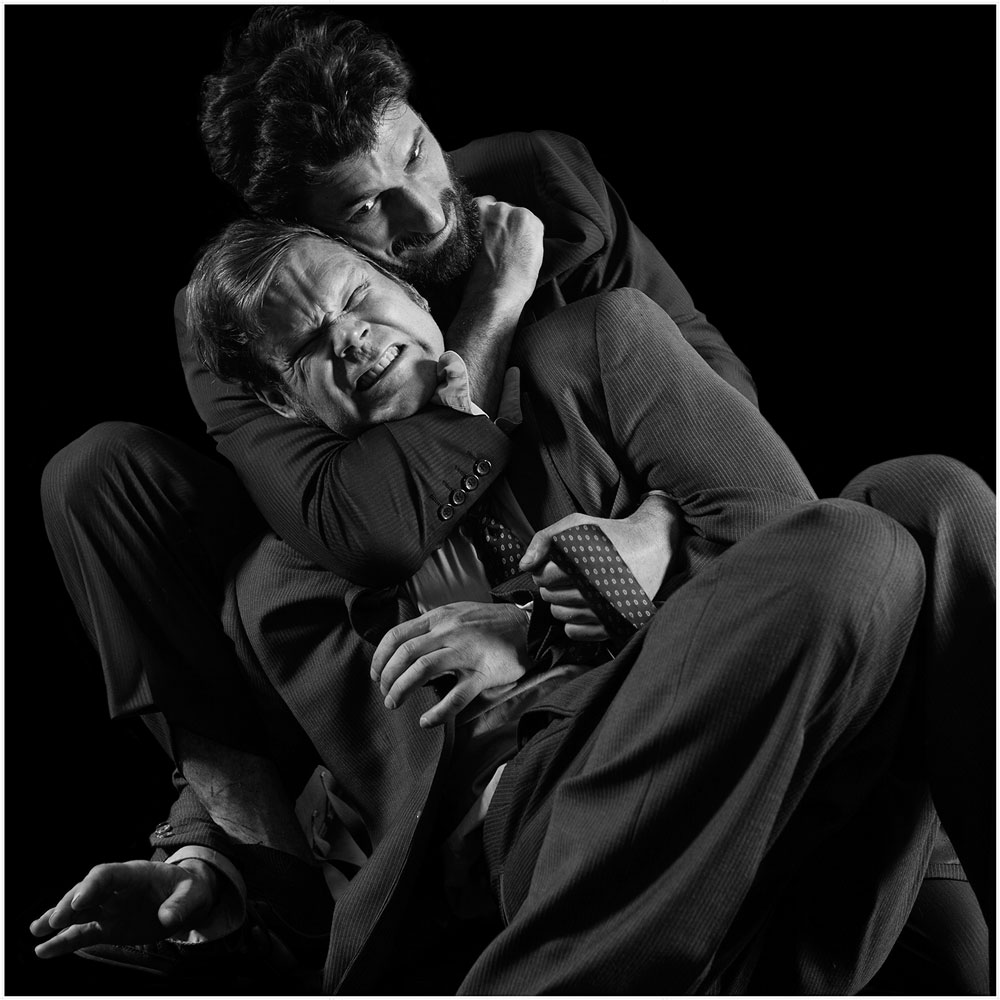
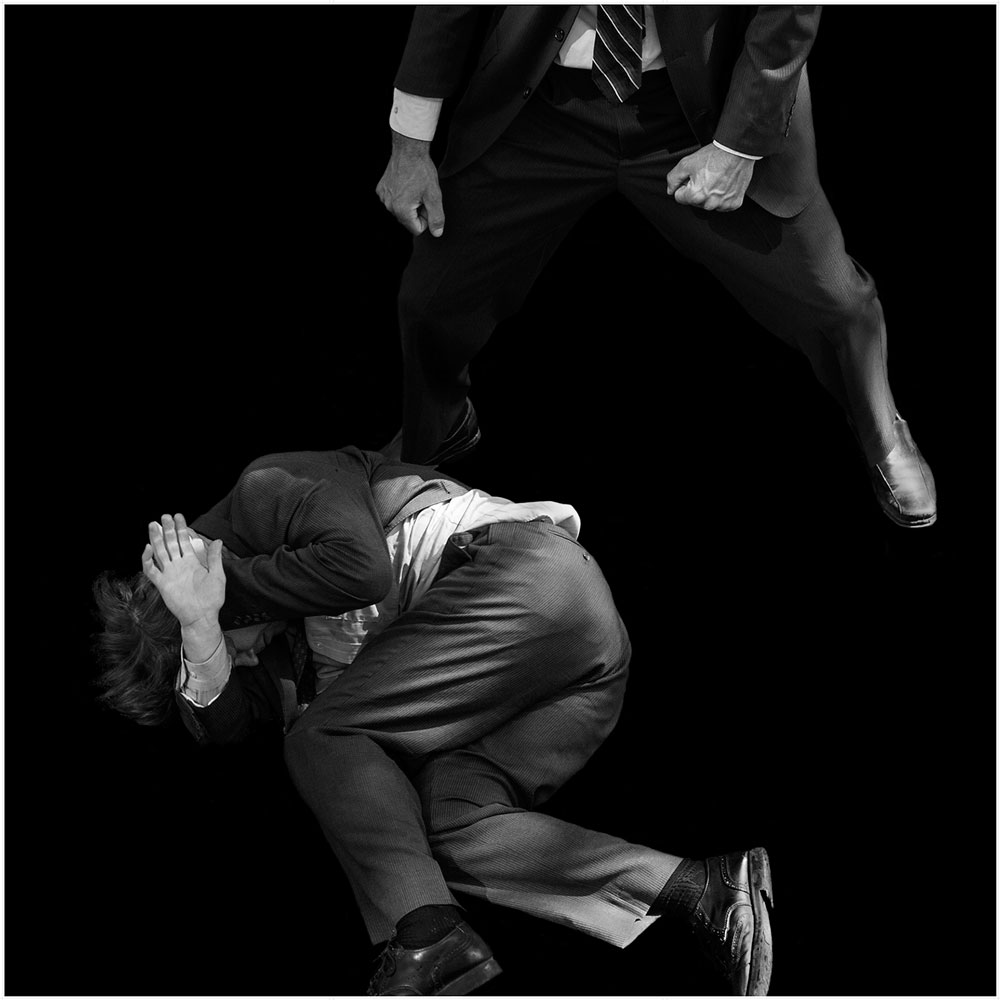
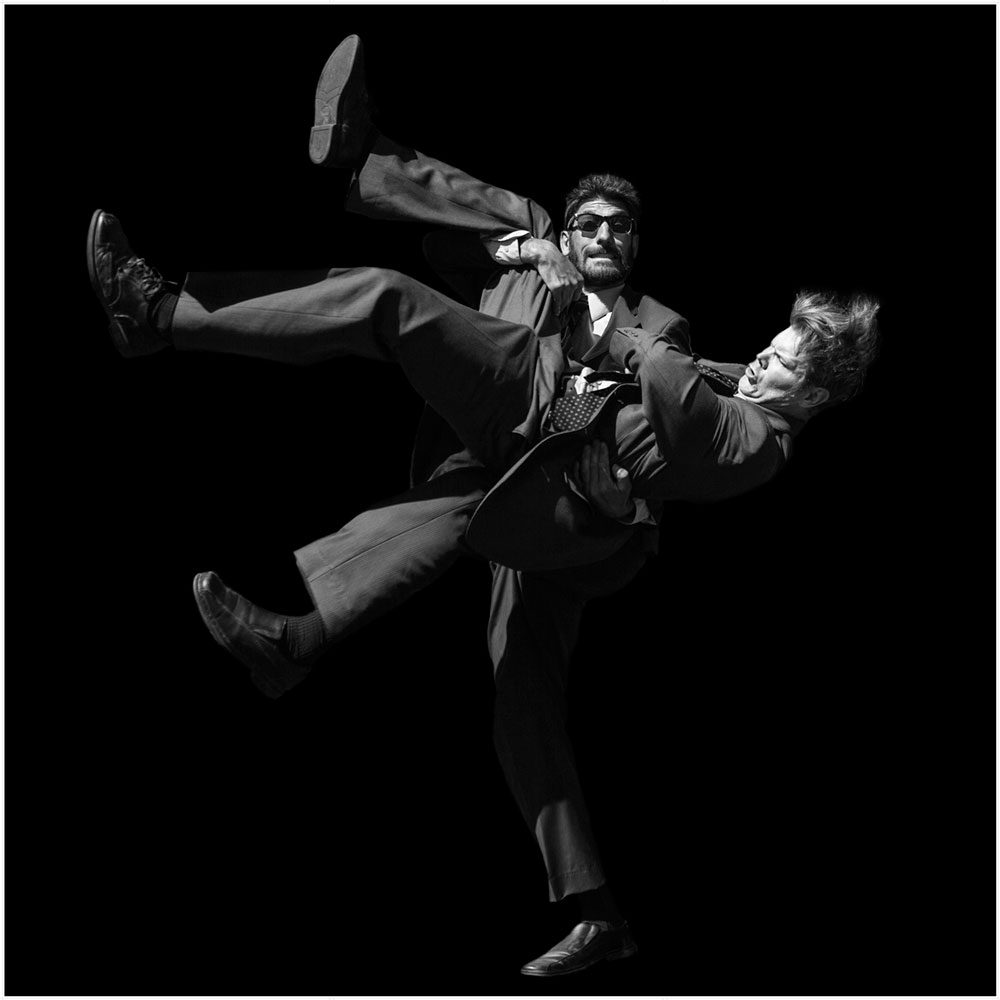
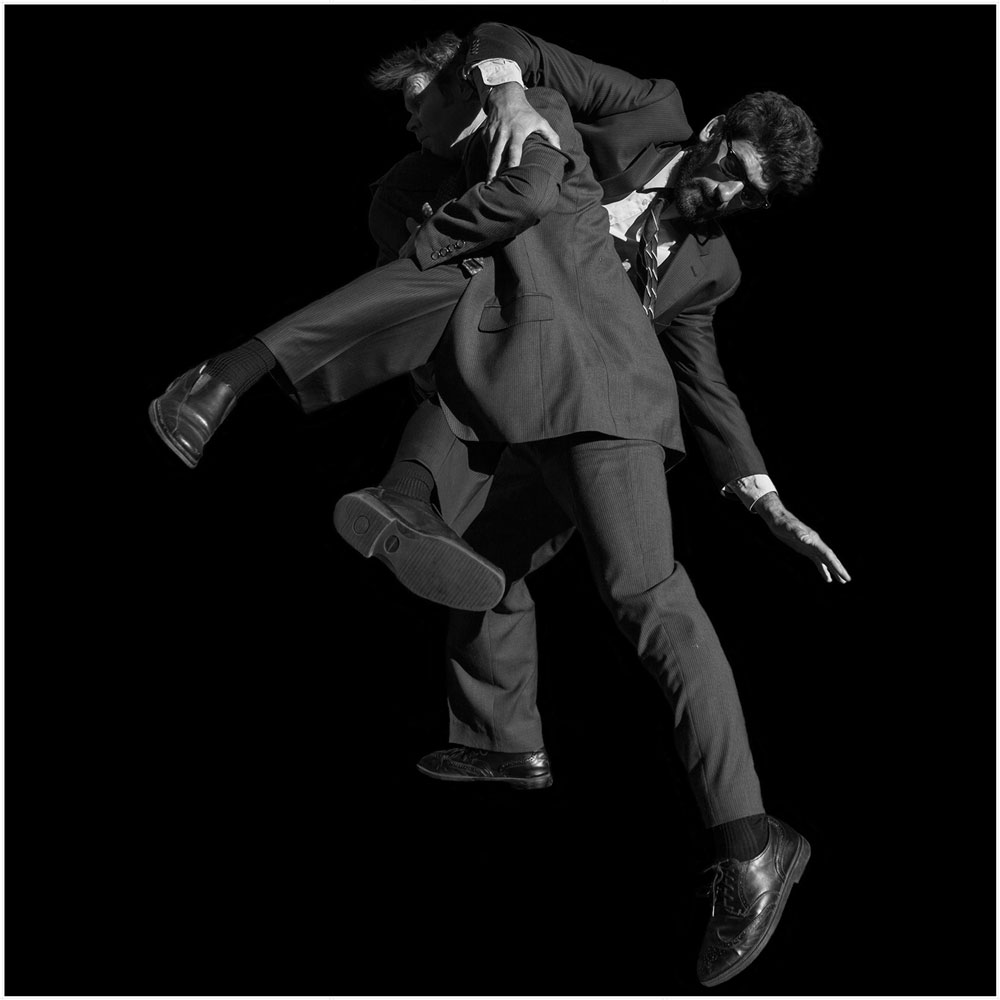
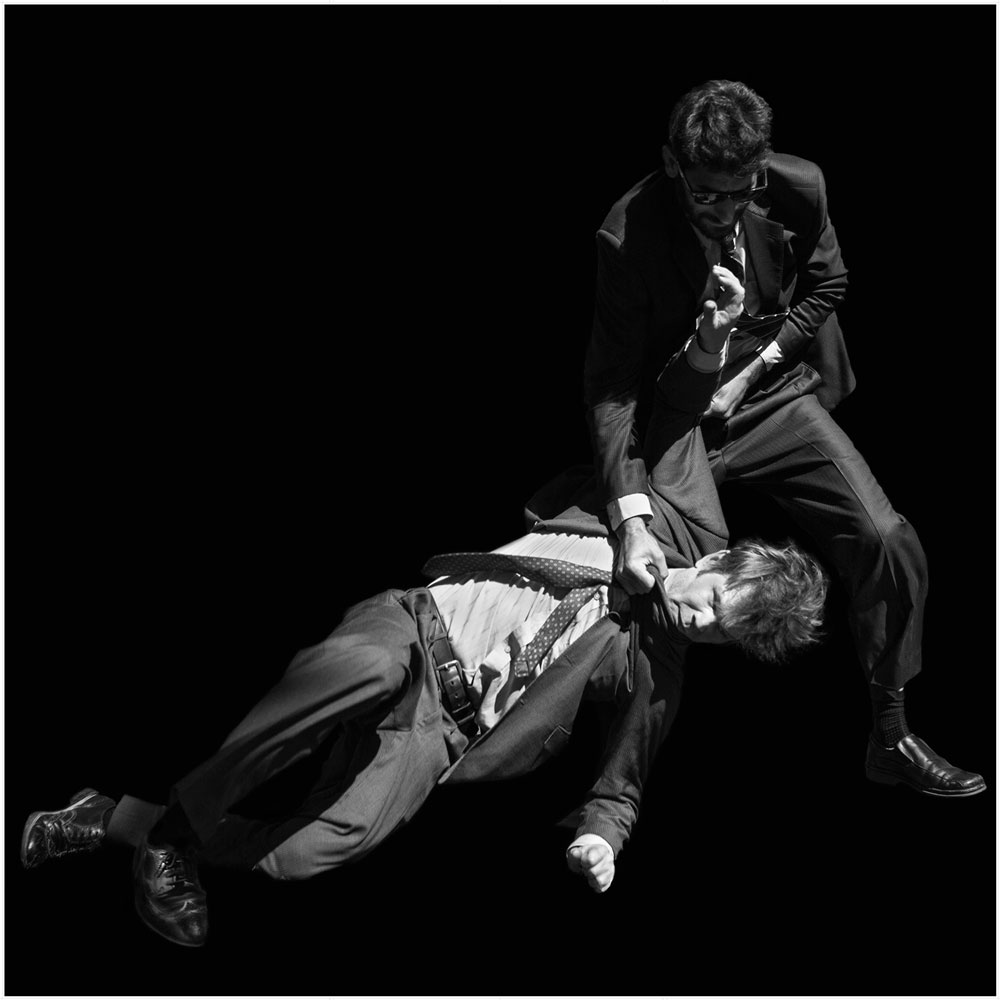
Red, White, Black and Blue (The Revenge of Billy Jack) depicts a single fight sequence inspired by a famous scene from the Western classic where Billy Jack defends the students of the ‘Freedom School’ from a powerful faction of local conservatives. Reduced to a series of individual large format image stills, this hyperbolic re-envisioning of Billy Jack’s Revenge is emblematic of the contentious nature of humanity at work splintering our fragile social and political environment. The continuing loop of conflict and lack of resolution described in the imagesunderlines the alarming amount of discord coursing through the veins of society that appears increasingly drawn on ideological extremes. It points to the challenges of resistance in the fight for a more just world, where there exists only right or wrong, black or white, red or blue. Furthermore, the work illustrates a major crisis of masculinity and increasing disregard for civility that is paving the way to intolerance, provocation, brutality, and the potential for complete societal breakdown.
The Stendhal Syndrome, an illness officially named by Italian psychiatrist Graziella Magherini in the late 1970s, describes disorienting waves of euphoria brought on by viewing great works of Florentine Art. The experience was first written about in the 19th century by the French author Stendhal (pen name of Marie-Henri Beyle) and is known to trigger dizziness, fainting, and even hallucinations.
*Painting “Mount Corcoran” by Albert Bierstadt c. 1876–77.